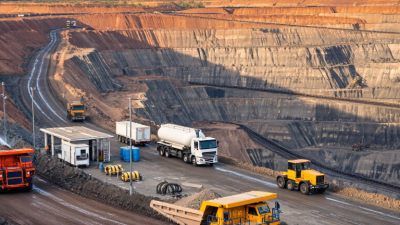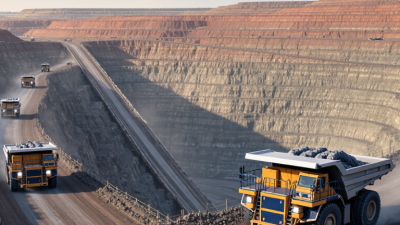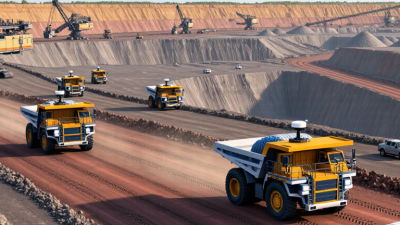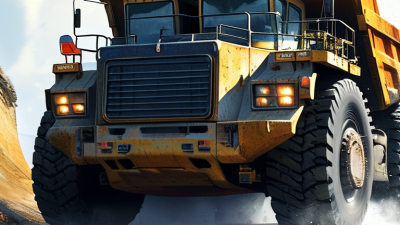
Why Choose Mining Transport Vehicles for Your Operation?

Mining Transport Vehicles are more than machines moving ore from pit to plant. They shape a mine’s daily rhythm: truck queues at the shovel, tire wear on rough haul roads, and payloads arriving at the crusher. Choosing the right fleet can affect productivity, fuel use, maintenance demands, and worker exposure to operational risks. The details matter.

Demand pressures make transport planning increasingly important. The World Bank’s 2020 report, Minerals for Climate Action, projected that demand for minerals such as graphite, lithium, and cobalt could rise by nearly 500% by 2050 under a climate-driven scenario. That is not a forecast for every commodity or mine. It does, however, underline why reliable material movement matters. As World Bank mining specialist Riccardo Puliti put it, the clean-energy transition is “mineral intensive.” Efficient transport helps operations respond, but it cannot solve every bottleneck.

The best vehicle depends on the site, not a brochure. Consider haul distance, gradients, road conditions, payload, power options, service access, and total cost over the vehicle’s working life. A large truck may move more per trip, yet poor road design or long maintenance delays can erode that advantage. Small details count. This guide examines how Mining Transport Vehicles can support safer, more predictable operations—and what buyers should question before investing. Real-world performance varies; even a well-chosen fleet needs careful monitoring.
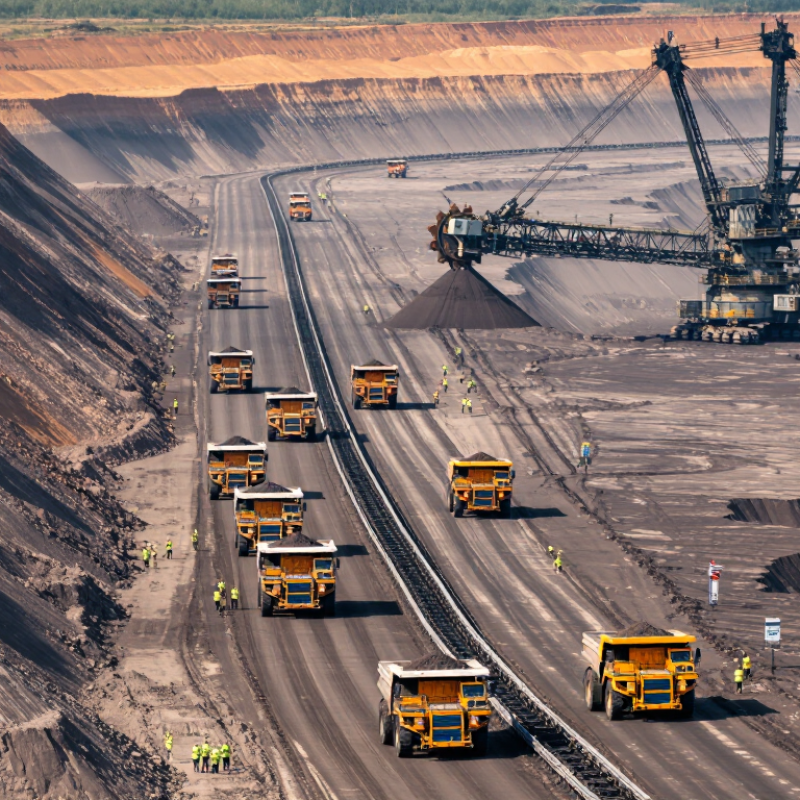
Why Choose Mining Transport Vehicles for Your Operation?

What Mining Transport Vehicles Are and How They Work

Mining transport vehicles are purpose-built machines that move ore, waste rock, and supplies between working areas, loading points, and processing plants. Surface operations commonly use rigid-frame haul trucks on wide mine roads. Underground mines rely on lower-profile trucks that can navigate narrow tunnels and tight turns. Each vehicle carries a rated payload; overloading can strain tires, brakes, and suspension. The job sounds simple. The conditions are not.

A typical haul cycle starts when an excavator or loader fills the truck. The driver follows a planned route, manages speed on steep grades, and uses service brakes or retarders to control descent. At the dump point, the load is tipped, then the vehicle returns for another trip. Dispatch systems can track location and cycle times, but road dust, changing weather, and uneven surfaces still affect performance. Small details matter.

Scale helps explain why. The U.S. Energy Information Administration’s Annual Coal Report states that U.S. mines produced 577.9 million short tons of coal in 2023. Separately, the International Energy Agency’s Global Critical Minerals Outlook 2024 projects clean-energy lithium demand to grow about 4.5 times by 2030 under its Stated Policies Scenario. These figures do not measure truck movements directly; they show why reliable material transport matters. A useful vehicle choice depends on route length, payload, gradients, and maintenance access—not capacity alone. Even a well-matched fleet can lose efficiency when roads are poorly maintained.
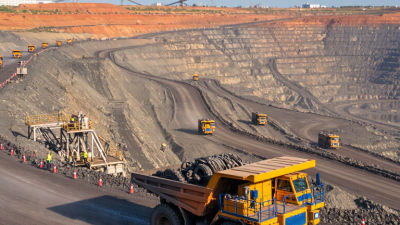
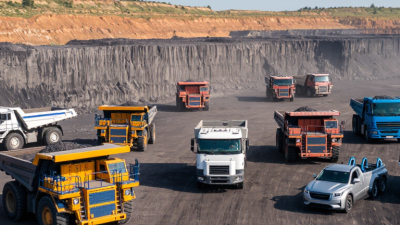
Which Types Suit Different Mining Operations

Mining transport vehicles should match the route, material, and working conditions—not just the planned payload. Large rigid haul trucks suit open pits with wide, stable roads and long hauling cycles. Articulated dump trucks handle rougher ground, tighter turns, and changing surfaces. Underground mines often need low-profile trucks with compact frames and suitable exhaust controls. Small details matter. A vehicle that clears the tunnel roof but struggles on a steep ramp can disrupt a shift.

Tips: Check payload against road width, gradients, turning space, and braking needs. Inspect tires, lights, and access steps during routine checks. Keep a record of delays by route; the slowest section may be the real constraint.

Service vehicles also shape daily operations. Water trucks help manage dust on haul roads, while fuel and maintenance vehicles can reduce unplanned travel to the workshop. For narrow underground headings, compact utility carriers may be more practical than larger units. Yet smaller is not always better: extra trips can increase congestion and fuel use. Reassess vehicle choice when routes, loads, or production schedules change. The original plan may no longer fit.

How These Vehicles Improve Material Handling Efficiency

Mining transport vehicles improve material handling by carrying larger, more consistent loads between the pit, crusher, and stockpile. A planned haul route reduces unnecessary travel, while suitable payload capacity can mean fewer trips per shift. The USGS Mineral Commodity Summaries 2024 estimated U.S. copper mine production at 1.1 million metric tons in 2023, illustrating the scale of material that mining operations must move. Even short delays at a loading point can ripple through a busy shift. Small delays add up.

Efficiency depends on the whole system, not just truck size. Match payload to loading equipment and road conditions, then track cycle time, queue time, fuel use, and availability. Dispatch records can reveal whether trucks wait at the shovel or arrive faster than the crusher can process material. A bigger truck is not always better. Heavier loads may increase road wear, and poor route maintenance can erase the gains. Real operating data should guide fleet choices; estimates alone can miss local constraints.

Tips: Check tire condition and road surfaces each shift. Keep loading zones clear, and compare actual cycle times with planned targets. Note recurring bottlenecks—even a small queue deserves a closer look.

Why Choose Mining Transport Vehicles for Your Operation? — How These Vehicles Improve Material Handling Efficiency

Vehicle Type Typical Payload Capacity Best-Suited Application Material Handling Efficiency Benefit Operational Consideration
Rigid-frame surface haul truck Approximately 90–400 metric tonnes, depending on the model and configuration High-volume open-pit operations with established haul roads and long production shifts Moves large loads per trip, reducing the number of loaded journeys needed for a given tonnage. Requires haul roads, loading equipment, and maintenance facilities suited to its size and weight.
Articulated dump truck Approximately 25–45 metric tonnes Variable terrain, uneven routes, short hauls, and sites where road conditions change frequently Articulation and all-wheel drive help maintain traction on rough or soft ground, supporting more consistent material movement. Payload is generally lower than that of large rigid haul trucks; match the vehicle to route length and production targets.
Underground haul truck Commonly approximately 15–63 metric tonnes Underground mines with low-clearance headings, ramps, and confined loading areas A compact design allows ore to be transported through restricted underground routes where larger surface trucks cannot operate. Route gradients, tunnel dimensions, ventilation requirements, and turning space affect vehicle selection and cycle time.
Underground load-haul-dump (LHD) vehicle Bucket capacity is commonly specified in cubic metres; payload depends on bucket size and material density Underground loading, short-distance tramming, and dumping into trucks, ore passes, or stockpiles Combines loading and short-haul movement in one machine, reducing the need to transfer material between separate loading equipment. Best suited to loading and short tramming distances; longer hauls may be more efficiently handled by a dedicated truck.
Mine service and support truck Varies by body, tank, or service equipment configuration Transporting personnel, tools, fuel, water, or maintenance supplies around mine sites Delivers people and supplies closer to work areas, helping reduce delays caused by equipment or material shortages. Choose the body and safety equipment for the specific task, route conditions, and site traffic rules.
Matched truck-and-loader fleet Determined by the selected truck and loader combination Surface or underground operations with repeated loading and haul cycles Matching loader bucket size and loading time to truck capacity can reduce truck waiting and improve equipment utilization. Review loading time, haul distance, queueing, road conditions, and dump time together; payload alone does not determine productivity.

Note: Payload figures are indicative ranges for common equipment classes, not guaranteed specifications. Actual capacity and productivity vary with machine configuration, material density, haul distance, gradient, road conditions, loading method, and site requirements.

How Safety and Durability Support Reliable Mine Operations

Mining transport vehicles work in conditions that punish both equipment and attention. Loose rock, sharp turns, dust, and steep grades can strain tires, brakes, suspension, and the operator’s focus. A well-chosen vehicle should match the route, load, and shift pattern—not just the maximum payload listed on a specification sheet. Safety starts with practical details: clear sightlines, stable handling, effective braking, and accessible inspection points. Small details matter.

Durability supports reliable mine operations by reducing avoidable breakdowns and keeping vehicles available for planned work. Reinforced components and protected hoses can help withstand impacts and abrasive debris, but tough construction does not eliminate wear. Operators and maintenance crews still need to check tires, fluid leaks, brake response, and warning indicators. A missed defect can become a roadside delay—or a safety risk. Still, no vehicle choice can compensate for poor roads or rushed inspections.

Tips: Walk around the vehicle before each shift. Look for fresh leaks, damaged tires, loose fittings, and blocked lights. Record recurring faults, even minor ones; patterns often reveal where routes or loading practices need attention. Be realistic: inspections take time, but skipped checks can cost more.

What to Assess When Choosing a Mining Transport Vehicle

Choosing a mining transport vehicle starts with the route, not the brochure. Assess payload against the material’s real density and moisture, then check how weight affects braking, tires, and road wear. A damp load can behave very differently from dry rock. That matters.

Walk the haul road and record gradients, turning space, surface conditions, and travel distance. A vehicle that carries more may still lose time if it struggles on steep ramps or needs wide turning areas. Compare expected cycle times with actual shift patterns, including loading delays and queueing. Check ground clearance and traction for muddy sections, loose gravel, or changing weather. Small details count.

Maintenance needs deserve equal attention. Ask how often key components require inspection, how quickly common parts can be obtained, and whether technicians can service the vehicle on site. Review fuel or energy use under the duty cycle you expect, not just ideal test conditions. Also assess visibility, cab comfort, controls, and access for routine checks. Operators can identify awkward blind spots or steps that a specification sheet misses. A tidy spreadsheet can hide those problems. And no estimate is perfect; leave room for changing road conditions and uneven workloads.

Why Choose Mining Transport Vehicles for Your Operation?

Typical payload ranges by haul-truck class show how vehicle capacity can vary. Use them as an initial guide, then assess haul distance, road conditions, gradients, turning space, cycle time, and maintenance support before choosing a vehicle.

Payload ranges are indicative class-level estimates, not specifications for a particular vehicle. Actual capacities vary by design and operating conditions.