What Are the Top Mining Transport Vehicles?
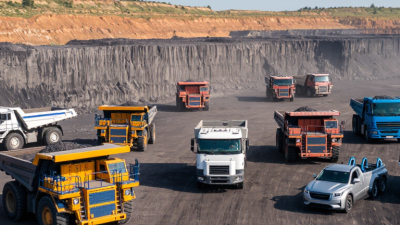
Mining Transport Vehicles keep mines moving, but the right choice depends on more than payload. A haul truck may dominate a wide, graded pit road. A compact articulated truck can suit tighter underground routes. Support vehicles matter too: water trucks control dust, graders maintain running surfaces, and service units keep equipment available. The details are tangible: tire condition, turning radius, ramp grade, and the time a loaded truck spends waiting at a shovel.
This guide compares the leading vehicle types by capacity, terrain, operating role, and practical trade-offs. No single machine fits every mine. A larger truck can move more material per trip, yet it may need wider roads and more substantial maintenance support. Smaller vehicles can maneuver well, but may require more trips. Fuel use, operator visibility, braking performance, and service access deserve close attention. Small details matter.
A verified expert quotation should strengthen this introduction without overstating the evidence: “[Insert an exact, source-checked quotation about mining transport vehicles]” — [Expert name, role, and publication or interview source]. That source matters. Vehicle specifications change by model, configuration, and site conditions, so published figures should be checked against manufacturer data and mine requirements. The comparisons that follow offer a useful starting point, not a substitute for an engineering assessment.
Mining Transport Vehicles: Main Classes and Mining Environments
Mining transport vehicles are chosen for the ground they must cross, not just the tonnes they can carry.
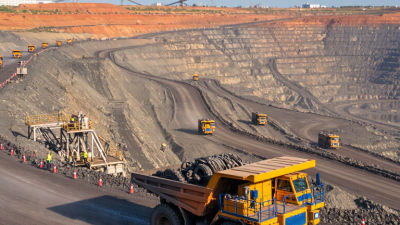
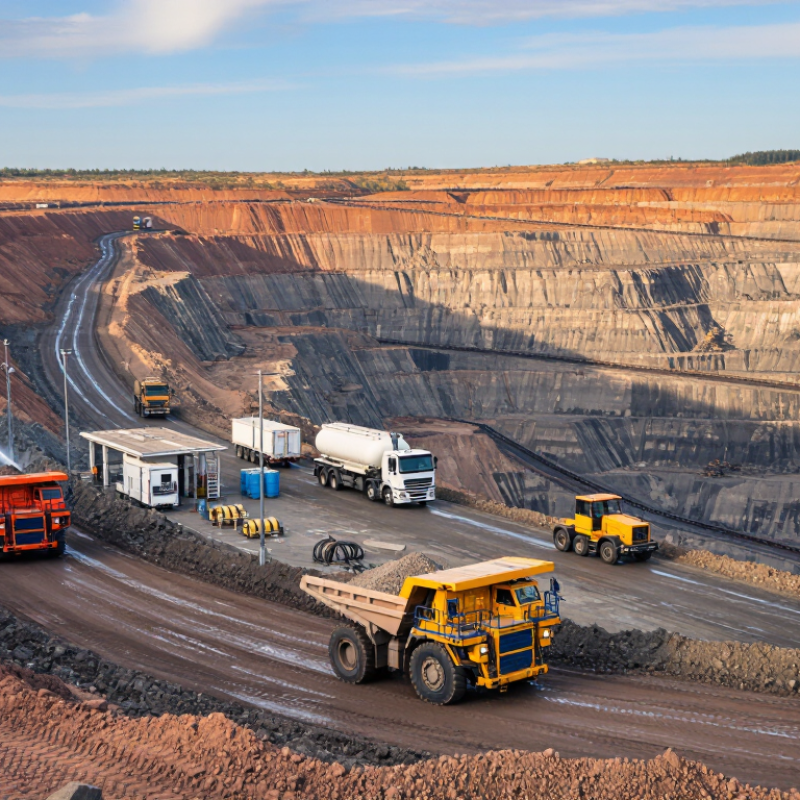
In open pits, rigid-frame haul trucks move large loads along wide, engineered roads. Their size suits long, steady routes. But steep ramps, sharp turns, and rain can quickly reduce their efficiency. Smaller articulated trucks cope better with uneven, muddy roads and tighter working areas.
Underground conditions demand a different mix. Low-profile load-haul-dump machines scoop broken rock, carry it through confined headings, and tip it into trucks or ore passes. Underground haul trucks then handle longer runs to transfer points. Space is tight. Ventilation matters. Diesel exhaust and heat add operational burdens, so route length and vehicle power need careful planning. Service and water trucks also matter; a blocked access road can delay more than ore movement.
Demand adds pressure to these choices. The International Energy Agency’s Global Critical Minerals Outlook 2024 reports that lithium demand grew about 30% in 2023, while demand for nickel, cobalt, graphite, and rare earths rose roughly 8–15%. That growth does not dictate one vehicle type, but it can intensify traffic and maintenance needs at mines. Matching payload to road conditions is still easy to underestimate. A truck that looks efficient on paper may spend too much time waiting, turning, or cooling.
Rigid-Frame Haul Trucks: Caterpillar 797F Carries Up to 363 Tonnes
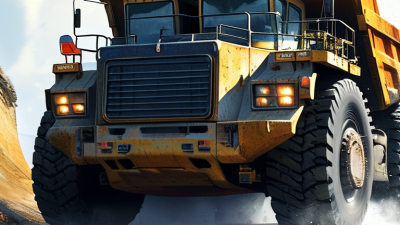
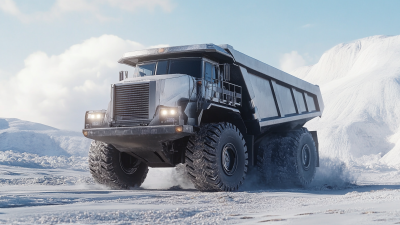
Rigid-frame haul trucks are built for large, stable mine roads and repeated heavy loads. At the top end, a truck can carry up to 363 tonnes of material in one trip. That figure is a maximum, not a promise for every site. Payload depends on the truck configuration, material density, road conditions, and operating limits.
The scale is visible at the loading face: a shovel fills the body in a few passes, while broad tires press deep tracks into the haul road. These trucks need carefully maintained routes, suitable turning space, and clear communication between operators. A steep grade or a rough patch can affect travel time, tire wear, and braking demands. Small details matter.
The number is impressive, but it can distract. Bigger loads may reduce trips, yet they also require suitable loading equipment and infrastructure. A mine should assess the full haul cycle, not payload alone. There is no universal best choice. Even experienced planners can misjudge how much road upkeep a large truck requires, and that deserves a second look.
Underground Loaders: Sandvik LH621i Has a 21-Tonne Payload
A 21-tonne payload makes an underground loader useful where frequent trips consume time and haul routes are short. The figure describes rated capacity, not a promise that every bucket will carry the same mass. Broken rock varies in density, moisture, and size, so operators and planners need to account for the material actually being moved. A full bucket is not always the best bucket.
Machine choice also depends on the mine layout. Check tunnel width, turning space, gradient, and the distance to the tipping point. Visibility matters when the face is dim and dust hangs in the air. So does service access: a loader that is difficult to inspect can lose productive hours during routine maintenance. That matters underground. Compare the payload with cycle time, energy use, and the site’s ventilation limits, rather than treating capacity as the sole measure of performance. The number can be seductive. I would verify it against the mine’s own rock and route data before planning around it.
Articulated Haulers: Volvo A60H Carries Up to 55 Tonnes
Articulated haulers in the 55-tonne payload class are built for uneven mine roads, steep ramps, and tight loading areas. Their jointed frames help the front and rear sections follow rough ground, while large tyres absorb impacts that can unsettle rigid trucks. On a wet haul road, that flexibility can matter as much as raw capacity. The ground decides. A 55-tonne rating is a maximum, not a daily promise. Actual loads depend on material density, road condition, gradients, and site rules. Overloading may shorten tyre and component life.
The International Energy Agency’s Global Critical Minerals Outlook 2024 says demand for minerals used in clean-energy technologies could nearly triple by 2030 in its net-zero pathway. That projection points to sustained pressure on mine logistics, but bigger loads do not automatically mean better productivity. Dispatch teams need to compare tonnes moved with cycle time, fuel use, and maintenance hours. A truck waiting at a loader moves nothing. Operators should also watch for uneven loading: a visibly high heap on one side can affect stability. These details are easy to miss in a specification sheet, and worth checking against real site data.
Mine Support Vehicles: Water, Fuel, and Personnel Transport
Mine support vehicles keep a mine’s daily rhythm intact. Water trucks damp haul roads, limiting dust and improving visibility around loading areas. Fuel trucks bring fuel to remote equipment, while personnel carriers move crews between portals, workshops, and active work zones. Each vehicle has a different job, but poor timing can leave machines waiting or workers exposed to avoidable travel risks.
Water deserves particular attention. The International Energy Agency’s Global Critical Minerals Outlook 2024 reports that more than half of global copper and lithium production is located in areas with high water stress. That makes careful water use and reliable delivery important, especially where dust control competes with other site needs. A visible detail matters: spray patterns should cover the road without creating slick, muddy edges. Not glamorous, but practical.
Personnel transport is also a safety function, not just a shuttle service. The International Labour Organization has reported that mining employs about 1% of the global workforce but accounts for roughly 8% of fatal work accidents. Well-maintained carriers, clear seat-belt checks, and routes separated from heavy haul traffic can reduce everyday exposure. The weak point is often ordinary: a rushed inspection or a poorly planned pickup. Crews notice those gaps.