How to Choose the Right Massive Mining Trucks?
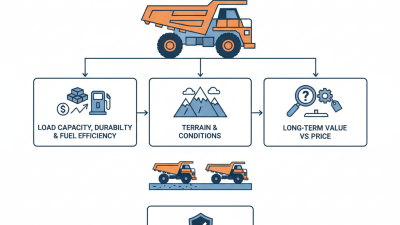
Choosing the right Massive Mining Trucks is a high-stakes decision. These machines influence production, fuel use, tire costs, operator safety, and maintenance schedules. A truck that looks powerful in a brochure may perform poorly on steep haul roads, soft ground, or long transport cycles.
Mark Cutifani, former CEO of Anglo American, often emphasized, “Safety is a value, not a priority.” That principle should guide every truck comparison. Priorities can shift when budgets tighten. Safety values should not. Buyers need to examine braking performance, visibility, emergency systems, cabin protection, and fatigue risks. Small details matter.
Real operating conditions should lead the decision. Measure payload requirements, average haul distance, road gradients, weather patterns, loading equipment, and workshop capacity. Compare fuel consumption using site data, not only laboratory figures. Review tire availability and service response times. A cheaper truck can become expensive when parts arrive slowly.
Electric, hybrid, diesel, and autonomous options each offer advantages. None is perfect. Battery systems may reduce emissions, yet charging infrastructure can limit productivity. Diesel trucks provide familiar refueling, but fuel costs and emissions remain concerns. Autonomous features can improve consistency, though they require skilled supervision and reliable communication networks.
This guide examines practical selection methods for Massive Mining Trucks. It also questions common purchasing assumptions. Bigger is not always better. Maximum payload may reduce flexibility. The best choice is the truck that delivers safe, reliable performance throughout the mine’s actual conditions. Good decisions come from evidence, field trials, and honest evaluation. There is room for error. That is why careful testing matters.
Define the Mining Operation and Material-Hauling Requirements
How to Choose the Right Massive Mining Trucks?
Define the Mining Operation and Material-Hauling Requirements
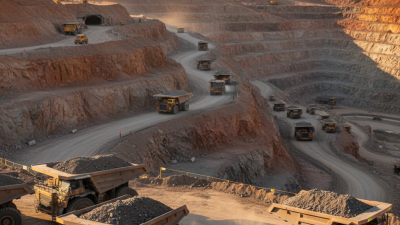
Choosing a massive mining truck starts with the operation, not the truck’s advertised capacity. Map the mine’s daily routes, bench heights, road widths, gradients, and loading areas. A short, steep haul demands different performance from a long, level route. Measure the complete haul cycle, including loading, queuing, dumping, and return time. Small delays can reduce production more than expected.
Material also changes the decision. Record density, moisture, fragmentation, and abrasiveness for every major material type. Loose waste may fill a body before reaching its weight limit. Wet ore can increase payload weight and create sticking during discharge. Match the truck’s payload to the excavator, loader, crusher, and road design. An oversized truck may wait too long for loading. That is expensive downtime.
Tips: Test assumptions with measured site data. Check actual payloads during different weather conditions. Inspect turning points and dumping zones in person. Do not trust a perfect spreadsheet. Field conditions are rarely perfect.
Review fuel use, tire stress, braking demands, visibility, and maintenance access together. A truck that hauls quickly may create excessive heat on downhill sections. Operators should have clear sightlines and stable controls on uneven ground. Plan for future production, but avoid buying capacity the mine cannot consistently feed. I would revisit the calculation after a trial period, because early estimates often miss queue time, changing material properties, or seasonal road damage.
Compare Truck Size, Payload, and Site Compatibility
How to Choose the Right Massive Mining Trucks?
Compare Truck Size, Payload, and Site Compatibility
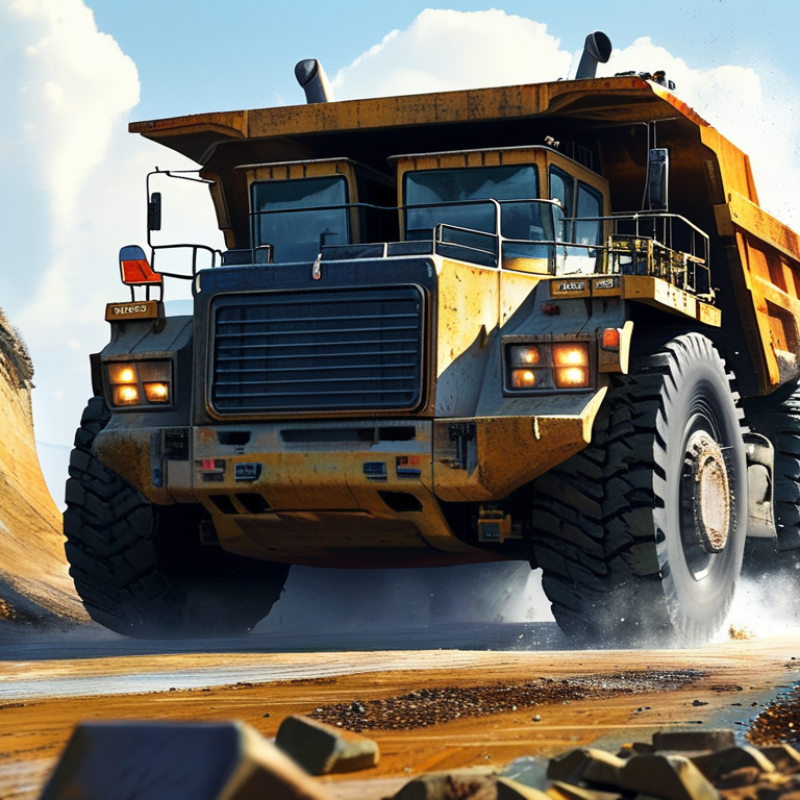
Choosing a massive mining truck starts with the road, not the brochure. Measure haul-road width, turning radius, grade, and bridge limits before comparing payload. A larger body may carry more, yet it can scrape berms or block passing areas. On narrow benches, a shorter wheelbase often improves maneuverability and reduces reversing time. That advantage matters during wet shifts.
Payload needs more than a maximum number. Compare rated payload with actual material density, bucket fill, and loading patterns. Loose waste may weigh less than blasted rock, changing truck utilization and tire stress. Use site records from several weather conditions. A truck running half-empty wastes fuel and cycle capacity. Constant overloading creates safety and maintenance risks. Neither outcome is efficient.
Compatibility also includes loading tools, dump points, service access, and operator visibility. Match the truck body to the excavator, so loading takes controlled passes instead of awkward repositioning. Check ramp performance with a loaded truck, not an empty demonstration unit. Verify axle loads against local engineering requirements. My first estimate is often too optimistic. I have seen promising selections fail because turning areas were underestimated. No spreadsheet is perfect. Allow space for drainage, emergency stopping, and seasonal road repairs. A small field trial can expose assumptions before they become expensive.
Evaluate Powertrain, Fuel Use, and Operating Performance
How to Choose the Right Massive Mining Trucks?
Evaluate Powertrain, Fuel Use, and Operating Performance
A mining truck’s powertrain must match the site, not just the advertised payload. Review engine output, transmission response, and torque delivery on steep ramps. A strong truck should maintain speed under heavy loads without excessive heat or harsh gear changes. Electric drive systems may improve control, while mechanical systems can offer familiar servicing procedures. The better choice depends on terrain, haul distance, climate, and workshop capability.
Fuel use deserves measurement during real production cycles. Record consumption while loaded, empty, idling, climbing, and waiting at the shovel. Compare fuel per tonne moved, not only litres per hour. A spreadsheet can look convincing and still mislead. I have seen short test runs hide the cost of long queues and rough haul roads. Payload consistency also matters. Overloading can increase fuel burn, tire wear, and drivetrain stress.
Tips: Request a controlled field trial with representative loads. Track cycle time, fuel consumption, idle hours, brake temperature, and unscheduled repairs. Ask operators about visibility, pedal response, and cabin fatigue. Their observations often reveal problems that sensors miss. Check operating performance across several shifts, including cold starts and wet conditions. A truck that performs well for one day may struggle after repeated high-load cycles. Review the data with maintenance technicians, because fuel savings are useless when uptime falls. Impulsive decisions happen. Leave room to challenge the first result.
Calculate Total Ownership Cost and Select the Best Truck
How to Choose the Right Massive Mining Trucks?
Calculate Total Ownership Cost and Select the Best Truck
A massive mining truck is not a purchase price with wheels. Its total ownership cost includes fuel, tires, maintenance, labor, financing, downtime, and resale value. PwC’s Mine 2024 report recorded a 7% decline in revenue among the world’s largest mining companies in 2023. That pressure makes cost visibility essential. Build a five-year model before requesting quotations. Use site-specific payload, haul distance, gradient, cycle time, and annual operating hours.
Fuel deserves careful attention. The International Energy Agency’s Global Energy Review 2024 shows that industry remains highly exposed to energy-price changes. A truck that burns slightly less fuel can create major savings across thousands of operating hours. Measure liters per tonne moved, not liters per hour. Small errors multiply. Include tire wear on abrasive roads, scheduled component replacement, operator training, and the financial cost of idle equipment. Downtime is often underestimated.
My first estimate was wrong. I focused on purchase price and ignored queue delays at the loading point. Recalculate with real dispatch data. Compare payload consistency, braking performance, service access, and availability under local weather conditions. Request maintenance records from comparable operations, not only laboratory figures. Deloitte’s Tracking the Trends 2024 highlights productivity and cost discipline as continuing mining priorities. A reliable truck with a higher initial price may deliver lower cost per tonne. Sometimes, however, the cheaper option wins. Test both assumptions.