Top 10 Big Mining Trucks in China for Global Buyers?
In the competitive landscape of mining, Big Mining Trucks play a pivotal role in enhancing operational efficiency. As industry expert John Stone, a leading figure in mining logistics, states, “Choosing the right truck is essential for maximizing productivity.” This sentiment resonates deeply within the mining sector, where the demand for robust and reliable trucks is ever-increasing.
China has emerged as a hub for manufacturing state-of-the-art Big Mining Trucks, attracting global buyers eager for innovation and performance. Recent advancements in technology have transformed truck designs, making them more fuel-efficient and user-friendly. However, selecting the best truck among a wide range of options presents unique challenges. Buyers must consider factors such as load capacity, maintenance requirements, and adaptability to different mining environments.
While many manufacturers claim to offer the best features, not all trucks deliver on their promises. It’s crucial for potential buyers to evaluate customer reviews and field performance data. This ensures they invest in a truck that truly meets their operational demands. The right choice can significantly influence a mining project’s success, making it imperative to approach the decision with careful consideration and expert guidance.
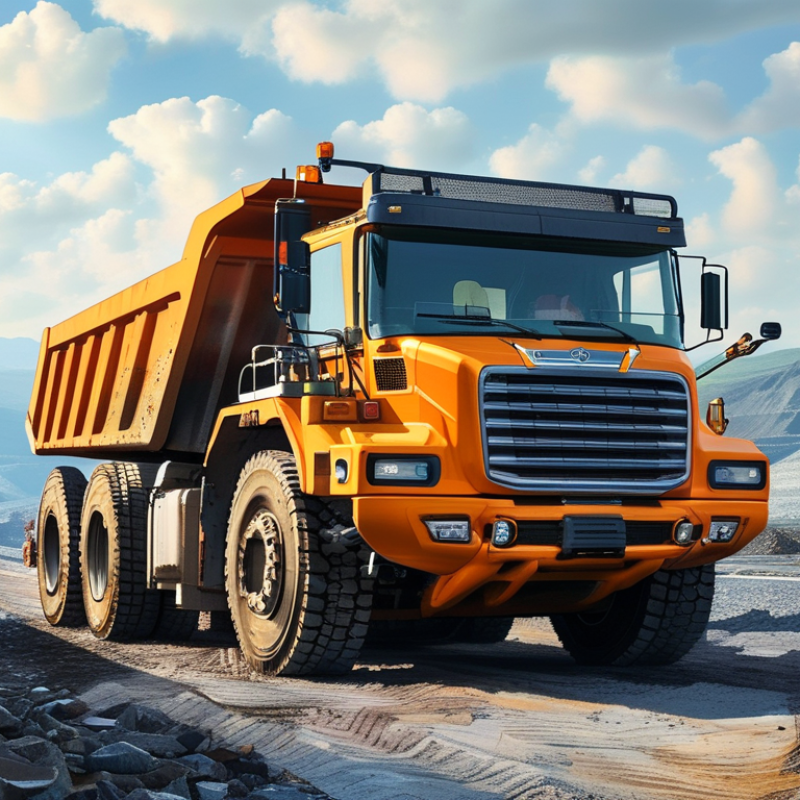
Top 10 Mining Trucks in China: Overview of the Mining Industry Landscape
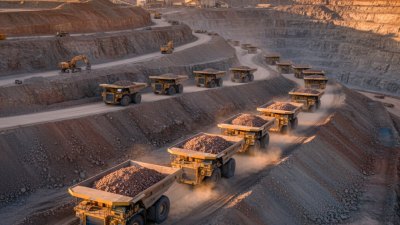
China's mining industry plays a crucial role in the global market. With vast resources and advanced technology, it continuously evolves to meet demands. The country has become a hub for innovative mining equipment. This includes heavy-duty trucks that can navigate tough terrains while offering high efficiency.
Safety remains a primary concern as companies strive to improve equipment reliability. While many trucks showcase impressive specifications, operational experiences vary. Some trucks face challenges related to durability, especially in extreme conditions. Regular maintenance is essential to maximize their lifespan. Mistakes can occur when companies overlook these critical aspects.
The adaptability of mining trucks reflects the dynamic nature of the industry. Emerging technologies enhance performance but may require time to integrate. Buyers often need to weigh the benefits against potential issues. Understanding these nuances is vital for making informed decisions in the competitive market.
Key Features and Specifications of China’s Leading Mining Trucks
China has emerged as a leader in the manufacturing of mining trucks. These vehicles are designed to perform in the toughest environments. Let’s delve into their key features and specifications.
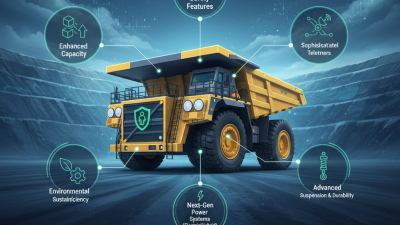
Many of these trucks boast impressive payload capacities. Some can transport over 400 tons of materials. Users often look for trucks with high fuel efficiency. This leads to lower operational costs. Advanced safety features are also a priority. Features like automatic braking systems enhance safety for operators.
Tips: Always consider the terrain where the truck will operate. Different designs suit various conditions. Inspect the vehicle’s maintenance history before purchase.
Another significant aspect is the technology used in these trucks. Most are equipped with GPS tracking systems for efficiency. This helps in managing fleet logistics effectively. A truck’s lifespan can vary greatly based on use. Regular maintenance is crucial. Failing to address small issues can lead to larger problems over time.
Tips: Assess the total cost of ownership. This includes fuel, maintenance, and repair costs. It's wise to consult industry experts before making a decision.
Top 10 Big Mining Trucks in China for Global Buyers
| Model |
Payload Capacity (tons) |
Engine Power (kW) |
Dimensions (L x W x H, mm) |
Max Speed (km/h) |
Fuel Capacity (L) |
| Model A |
400 |
2000 |
8000 x 4000 x 5000 |
60 |
600 |
| Model B |
300 |
1800 |
7500 x 3500 x 4900 |
55 |
550 |
| Model C |
450 |
2200 |
8200 x 4200 x 5100 |
65 |
700 |
| Model D |
350 |
1700 |
7800 x 3800 x 4800 |
50 |
580 |
| Model E |
500 |
2500 |
8400 x 4400 x 5200 |
70 |
750 |
| Model F |
600 |
2300 |
8600 x 4600 x 5300 |
75 |
800 |
| Model G |
450 |
2100 |
8300 x 4300 x 5150 |
68 |
720 |
| Model H |
400 |
2000 |
8000 x 4000 x 5000 |
60 |
610 |
| Model I |
350 |
1900 |
7700 x 3700 x 4700 |
55 |
540 |
| Model J |
300 |
1600 |
7200 x 3600 x 4600 |
52 |
500 |
Performance Metrics: Load Capacity and Fuel Efficiency of Mining Trucks
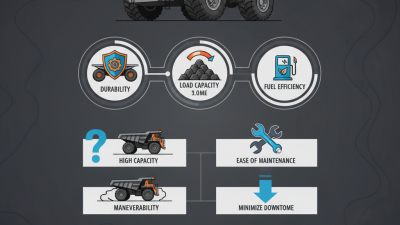
When considering mining trucks, load capacity and fuel efficiency are critical metrics. These trucks often carry hefty loads, reaching capacities of up to 400 tons. A significant factor is how they manage fuel consumption. Some models can operate efficiently with fuel consumption as low as 40 liters per hour when fully loaded.
Understanding the relationship between load capacity and fuel efficiency is important. For instance, trucks with larger capacities may not always be the most fuel-efficient. Studies show that the ideal balance can lead to lower operational costs. Buyers should analyze reports from industry experts that focus on performance metrics.
Tips: Always prioritize the payload specification. Choose equipment that matches your operational demands. Evaluate lifecycle costs, not just purchase prices. Data suggests that a truck running at optimal fuel efficiency can save operators over 10% in fuel costs annually. Staying informed on innovations in engine technology can also enhance your choices in fuel efficiency and performance.
Technological Innovations in Chinese Mining Trucks: A Comparative Analysis
Technological advancements in Chinese mining trucks have transformed the industry landscape. Recent reports indicate that the global mining truck market is expected to reach $12 billion by 2025, driven by innovations in design and efficiency. Chinese manufacturers have increasingly focused on creating trucks that not only meet but exceed global standards. They are integrating electric drivetrains, reducing emissions, and enhancing fuel efficiency by up to 15%.
One notable trend is the use of advanced materials. High-strength steel and lightweight composites help in reducing overall vehicle weight. This innovation allows for increased payload capacity and better fuel economy. However, some critics argue that the rush to adopt new technologies can lead to reliability concerns. Instances of maintenance issues have been documented, highlighting the need for a balanced approach to innovation.
Moreover, automation is at the forefront of many current developments. Autonomous mining trucks promise to enhance safety and productivity. Yet, stakeholders must consider the challenges this poses. Data from industry studies show that while automation may increase efficiency by 20%, it also raises questions about job security. The industry is at a crossroads, pushing for advancements while facing the implications these innovations bring.
Top 10 Big Mining Trucks in China: A Comparative Analysis
This chart displays a comparative analysis of payload capacities of the top 10 big mining trucks in China. Each model showcases its unique capabilities, contributing to technological advancements in the mining industry.
Market Trends and Demand Drivers for Mining Trucks in the Global Arena
The demand for mining trucks worldwide is driven by several market trends. First, the global mining industry is witnessing a significant shift towards automation. The integration of technology improves productivity and efficiency in operations. According to a recent report by Research and Markets, the mining truck market is projected to grow at a compound annual growth rate (CAGR) of 5% through 2030. This growth indicates a rising need for advanced mining trucks that can operate autonomously.
Additionally, there is a strong emphasis on sustainability. Mining companies are under pressure to reduce their carbon footprints. As a result, manufacturers are innovating with electric and hybrid models. These trucks promise lower emissions and operational costs. The move towards greener technologies aligns with global environmental regulations and customer expectations. However, the transition is challenging. Many companies still rely on traditional diesel-powered trucks. This dependency reflects a reluctance to invest in new technology.
Moreover, regions rich in minerals, such as Asia-Pacific, influence demand. China remains a major player in mining truck production and consumption. The region's commitment to infrastructure development propels the market forward. Yet, fluctuating raw material prices can impact purchase decisions. This uncertainty presents a challenge for buyers seeking reliable transportation solutions in mining. The dynamic nature of this sector requires constant evaluation of market trends and technological advancements.