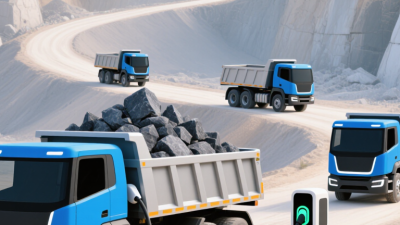
What Are the Top 10 Coal Mine Trucks for Global Buyers?
Choosing the right Coal Mine Trucks is a practical decision, not a simple ranking exercise. Global buyers must compare payload, haul-road conditions, fuel use, braking performance, and service support. A truck that performs well in an open-pit operation may struggle on steep, wet, or poorly maintained roads. Local climate matters too, especially where dust, heat, ice, or heavy rainfall can shorten component life.
This guide introduces ten widely considered truck types and models for international mining operations. The selection focuses on real operating needs, including rigid dump trucks, articulated haulers, electric-drive systems, and emerging lower-emission options. Each entry deserves careful review. Manufacturer specifications can look impressive, yet field results often depend on operator training, tire management, loading practice, and maintenance discipline. Numbers alone do not move rock.
We will examine payload capacity, engine or drive technology, fuel efficiency, durability, cabin visibility, safety systems, and total cost of ownership. Parts availability and technician access also influence long-term reliability. These details can decide whether a truck creates steady production or expensive downtime. Still, no universal winner exists. That point is easy to overlook.
Buyers should verify performance through site trials, independent inspections, and references from comparable mines. Some published data may reflect ideal conditions rather than daily production. Therefore, this overview is a starting point, not a purchasing verdict. The best Coal Mine Trucks are those that match a mine’s geology, infrastructure, workforce, environmental goals, and budget with measurable evidence.
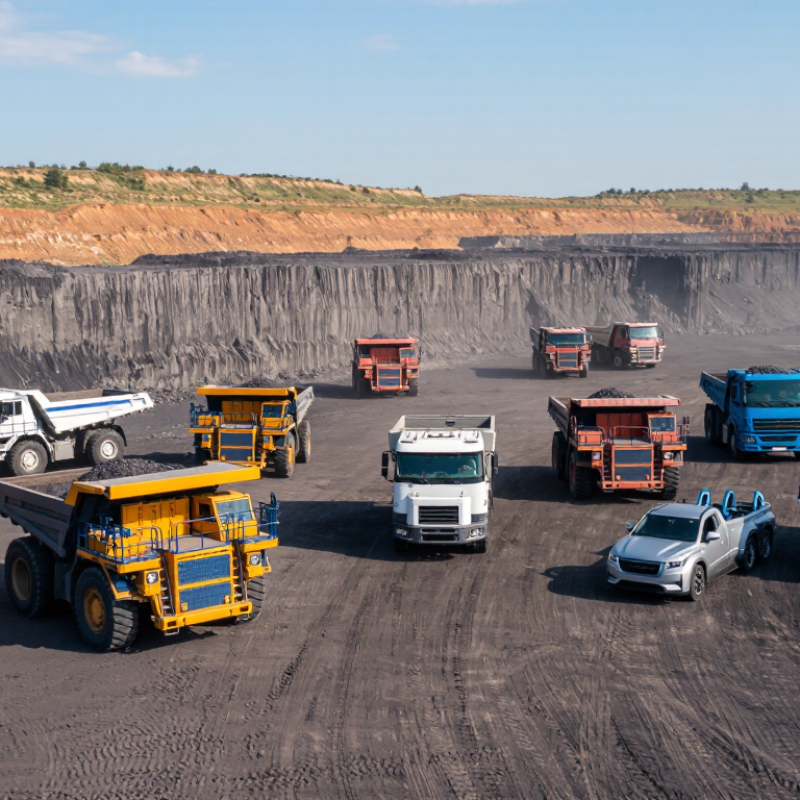
Coal Mine Truck Basics and Key Selection Criteria
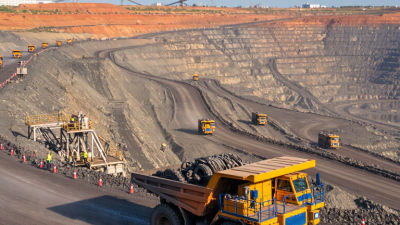
Coal mine trucks are built for heavy payloads, rough haul roads, and long operating cycles. The top ten choices usually include rigid haul trucks, articulated dump trucks, underground trucks, and electric-drive models. Their suitability depends on mine layout, not popularity. A rigid truck may carry more on wide benches, while an articulated truck handles uneven ground better.
Key selection criteria include payload, body volume, engine efficiency, braking strength, tire life, and service access. Match payload with loading equipment carefully. An oversized truck can wait too long for a loader. An undersized truck may increase traffic and fuel use. Check the mine’s gradients, road width, turning radius, rainfall, dust, and average haul distance. Cooling performance matters in hot pits. Enclosed cabins, clear visibility, noise control, and reliable emergency systems also protect operators. Local emission rules and site safety standards must guide every purchase.
Tips:
Measure actual cycle times before comparing brochures. Inspect frame joints, suspension, dump-body wear, and brake response during trials. Ask for maintenance records and parts availability. Telematics can reveal idling and overloads, but data is not always perfect. A larger payload is not automatically better. Mine teams should review results after several seasons, because early test conditions can hide tire damage, unexpected downtime, or difficult repairs.
Top 10 Coal Mine Trucks for Global Buyers
Top 10 Coal Mine Trucks for Global Buyers
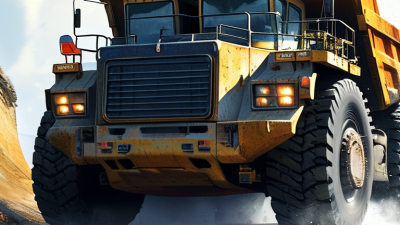
For global buyers, the top ten coal mine trucks are defined by duty fit, not showroom size. The practical shortlist includes ultra-class rigid haulers, large rigid haulers, medium rigid haulers, articulated dump trucks, underground articulated trucks, low-profile underground trucks, trolley-assist-ready trucks, hybrid-electric haulers, cold-climate rigid trucks, and compact narrow-road articulated trucks. Each type serves different haul distances, gradients, road widths, and loading systems. A 240-ton truck may look efficient, but it can overload weak haul roads and increase tire damage.
Payload matters, but it is only one purchasing measure. Buyers should examine fuel use, brake performance, frame strength, suspension travel, turning radius, and operator visibility. In wet pits, sealed electrical systems and corrosion protection deserve close attention. In underground mines, low height, ventilation demand, and emergency access become decisive. Maintenance records should include actual component life, not only laboratory claims. Reliable local parts support is essential.
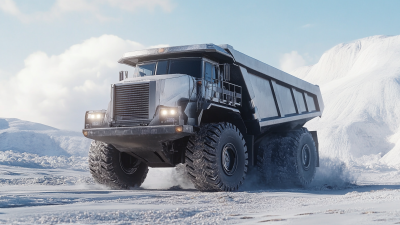
Do not trust a ranking blindly. No truck performs best everywhere. A smaller articulated unit can outperform a larger rigid truck on winding roads and changing benches. Hybrid systems may reduce fuel consumption, yet their battery support and repair skills need careful evaluation. I would request a loaded trial, measure cycle times, and inspect tire wear after several shifts. The wrong choice is expensive. A detailed site study often reveals that the most powerful truck is not the most productive one.
What Are the Top 10 Coal Mine Trucks for Global Buyers?
This comparison ranks ten widely used heavy-haul payload classes relevant to large-scale coal mining. Payload capacity is a key purchasing dimension because it affects hauling productivity, fuel efficiency, road design, loading compatibility, and fleet operating costs. The figures represent common published payload ratings for rigid mining trucks and are not a market-share ranking.
Truck Specifications, Payloads, and Performance Comparison
What Are the Top 10 Coal Mine Trucks for Global Buyers?
Truck Specifications, Payloads, and Performance Comparison
The leading coal mine trucks differ mainly in payload, drive layout, and operating environment. The practical top ten include 30-ton rigid haulers, 45-ton rigid haulers, 60-ton rigid haulers, 90-ton rigid haulers, 120-ton rigid haulers, 150-ton rigid haulers, 220-ton ultra-class haulers, 40-ton articulated trucks, 30-ton underground trucks, and trolley-assist mining trucks. Smaller units suit narrow benches and shorter routes. Larger trucks reduce loading cycles but need wider roads and stronger bridges.
A 30-ton truck often uses 250–350 horsepower and works well on confined sites. A 60-ton unit may provide 500–700 horsepower, while a 120-ton truck can exceed 1,000 horsepower. Payload is only part of performance. Buyers should compare body volume, axle capacity, turning radius, braking distance, and gradeability. On a wet haul road, traction can matter more than engine output. A truck carrying 90 tons may lose productivity when its tires spin on a twelve-percent ramp.
Fuel use, tire life, suspension design, and cycle time also affect ownership costs. Underground models require low height, strong ventilation control, and tighter steering. Trolley-assist trucks can reduce fuel consumption on long uphill sections, but they need dedicated electrical infrastructure. These figures are useful benchmarks, not guarantees. Actual results change with coal density, road drainage, loading accuracy, and operator habits. I would not choose the largest truck automatically. Oversized equipment can wait beside a shovel, wasting money and time.
What Are the Top 10 Coal Mine Trucks for Global Buyers? - Truck Specifications, Payloads, and Performance Comparison
| Rank |
Truck Category |
Nominal Payload
(metric tonnes) |
Rated Engine Power
(kW) |
Maximum Gross Vehicle Weight
(metric tonnes) |
Approx. Body Capacity
(m³, struck) |
Maximum Speed
(km/h) |
Typical Drive System |
Best-Fit Mining Application |
| 1 |
Ultra-Class Rigid Hauler A |
400 |
2,983 |
687 |
251 |
64 |
Diesel-electric |
Large open-pit coal and overburden operations |
| 2 |
Ultra-Class Rigid Hauler B |
363 |
2,800 |
608 |
223 |
64 |
Diesel-electric |
High-volume coal stripping and long haul roads |
| 3 |
Ultra-Class Rigid Hauler C |
360 |
2,610 |
600 |
216 |
64 |
Diesel-electric |
Very large surface mines with high production targets |
| 4 |
Large Rigid Hauler A |
326 |
2,013 |
546 |
198 |
64 |
Diesel-electric |
Large coal mines with steep ramps and extended cycles |
| 5 |
Large Rigid Hauler B |
297 |
2,013 |
520 |
180 |
64 |
Diesel-electric |
High-capacity coal, lignite, and overburden transport |
| 6 |
Large Rigid Hauler C |
290 |
2,013 |
506 |
176 |
64 |
Diesel-electric |
High-production mines requiring strong gradeability |
| 7 |
Large Rigid Hauler D |
255 |
1,864 |
435 |
154 |
64 |
Diesel-electric |
Coal haulage on medium-to-long production routes |
| 8 |
Large Rigid Hauler E |
240 |
1,864 |
412 |
145 |
64 |
Diesel-electric |
Open-pit coal and mixed overburden fleets |
| 9 |
Large Rigid Hauler F |
220 |
1,790 |
386 |
133 |
64 |
Diesel-electric |
Coal mines seeking high availability and fleet flexibility |
| 10 |
Large Rigid Hauler G |
190 |
1,566 |
326 |
115 |
58 |
Diesel-electric |
Medium-to-large coal mines and developing mine sites |
|
Buyer note: Specifications are representative published ratings for comparable rigid-frame mining trucks. Actual payload, body volume, speed, gross vehicle weight, and productivity may vary according to body configuration, altitude, haul-road grade, tire selection, coal density, climate, and local operating regulations. Payload should be matched to the loading tool and the mine’s transport-cycle requirements.
|