7 Best Types of Mining Trucks for Mining Operations
A mine’s haul road can turn a powerful truck into a bottleneck. Steep grades, long cycles, tight turns, and abrasive rock all shape the right choice. The Types Of Mining Trucks used on a site therefore affect more than payload; they influence loading rhythms, fuel use, maintenance planning, and overall production.
The International Energy Agency’s Global Critical Minerals Outlook 2024 projects that demand for critical minerals will grow substantially this decade. That demand makes reliable mine haulage increasingly important, though it does not mean every operation needs the largest truck. Peter Darling, editor of the SME Mining Engineering Handbook, offers a practical planning principle: select equipment to fit the mine plan and operating conditions. Put simply, match the truck to the job. This is a paraphrase of the handbook’s guidance, not a verbatim quotation.
This guide compares seven common options, from rigid-frame and articulated haulers to underground and electric-drive trucks. Manufacturer specifications, such as Caterpillar’s published payload data for the 797F, show how dramatically capacity can vary between models. But a bigger number is not automatically a better result. A 400-ton-class truck may suit a large open pit; it can be a poor fit for narrow roads or modest loading equipment. Small details matter. Tire availability, operator visibility, braking performance, and service access can decide whether a fleet runs smoothly—or waits. The right answer is not always obvious, and site conditions change. That deserves a second look.
Core Roles and Selection Factors for Mining Trucks
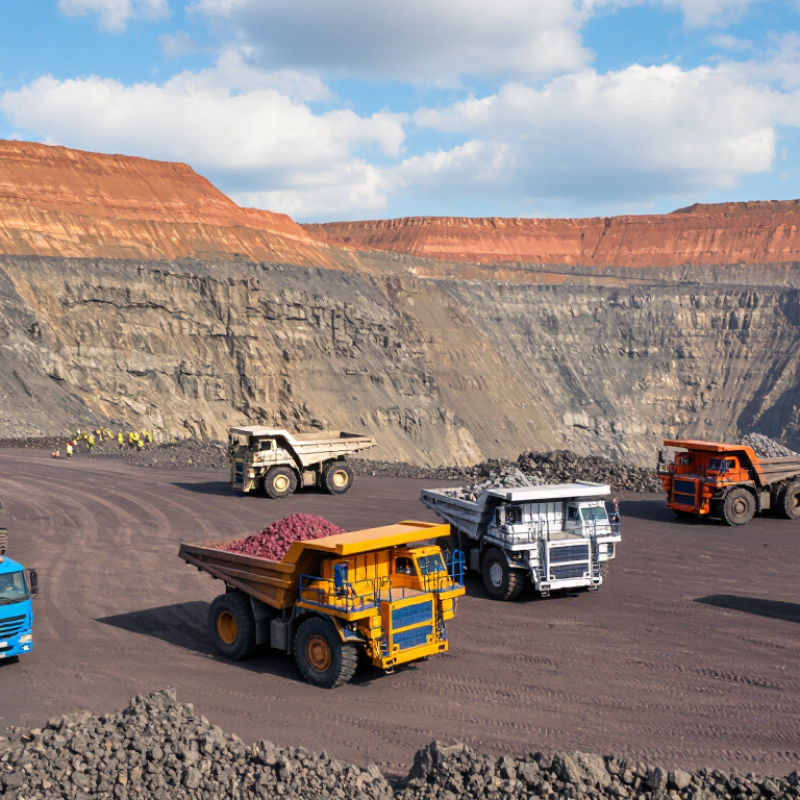
Mining trucks perform different jobs, even when their bodies look similar. Rigid-frame haul trucks carry heavy loads on established open-pit roads. Articulated trucks handle uneven, muddy routes. Low-profile trucks move ore through confined underground workings. Water trucks control dust and help maintain road surfaces; service and utility trucks support repairs and daily operations. These roles are not interchangeable.
Fleet choice should reflect payload, haul distance, road grade, turning space, material density, and maintenance access. The USGS Mineral Commodity Summaries 2024 estimates world copper mine production at about 22 million metric tons in 2023, illustrating the scale that production fleets may need to support. The IEA’s Global Critical Minerals Outlook 2024 projects clean-energy mineral demand to roughly double by 2030 under its Stated Policies Scenario. That matters. Buyers should test whether truck capacity, charging or refueling plans, and workshop support can keep pace with the mine plan.
Compare complete operating cycles, not just rated payload. A larger truck can reduce trips but may strain narrow roads, loading equipment, or braking systems. Tire supply, fuel use, visibility, operator comfort, and parts availability also affect uptime. A tidy spreadsheet can miss wet-season delays or difficult turns. Recheck assumptions against site conditions; the best fit is sometimes less obvious than the brochure suggests.
7 Best Types of Mining Trucks for Mining Operations
Indicative payload capacity ranges by truck type (metric tonnes).
Payload varies by model, configuration, and operating conditions. Water-truck capacity represents the approximate mass of water carried; use manufacturer specifications and site requirements when selecting equipment.
Rigid-Frame and Articulated Haul Trucks
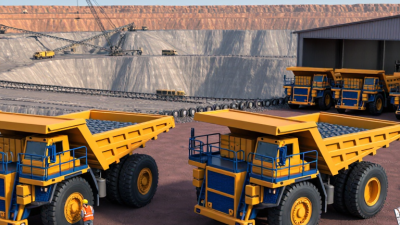
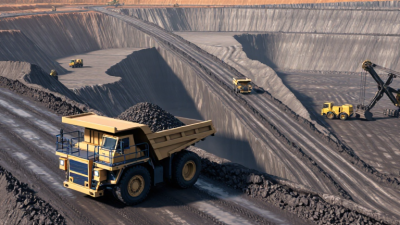
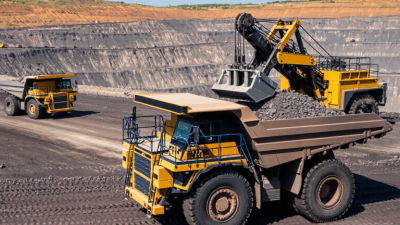
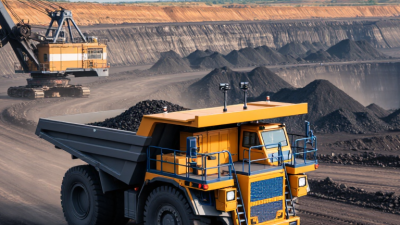
Rigid-frame and articulated haul trucks solve different problems. Rigid-frame trucks suit large, stable open-pit roads and long haul cycles. Typical published equipment data place their payloads around 100–400 tonnes, depending on configuration. They move more material per trip, but need wide turning areas and well-maintained roads. A tight switchback can quickly reduce their advantage.
Articulated trucks, commonly rated around 25–45 tonnes, pivot between cab and body. That joint helps them manage uneven ground, short ramps, and muddy approaches. They fit smaller pits and changing work faces, though more trips may mean more traffic and fuel use. That matters underground. The U.S. Department of Energy’s Mining Industry Energy Bandwidth Study (2007) identifies materials handling as a major energy-use area in mining. Truck selection should therefore consider route length, grade, road condition, and loading time—not payload alone. The SME Mining Engineering Handbook also treats haulage as a system shaped by mine layout and operating conditions.
Before choosing, compare measured cycle times on the actual route. A rigid truck can look efficient on paper and lose time waiting at a narrow dump point. I would challenge any estimate that assumes perfect roads; they rarely stay perfect. Track tire wear, fuel use, and payload consistency through wet and dry shifts. Small differences matter.
Underground Haul Trucks and Low-Profile Trucks
Underground haul trucks move blasted rock through confined mine passages, where space and traction matter as much as payload. Their articulated frames help them turn through tight bends and uneven headings. Small turning circles matter. Low-profile trucks have reduced height, allowing access beneath low roofs and through restricted openings. But a lower profile does not automatically mean better performance; check the truck’s dimensions against the actual route, including ramps and loading bays.
A useful selection starts with the mine layout. Measure tunnel width and roof clearance, then consider gradient, haul distance, and the size of loading equipment. On a steep, damp ramp, tire grip and braking capacity deserve close attention. A truck that fits the tunnel but struggles on the grade can slow every load cycle. That trade-off is easy to underestimate. Ventilation requirements also matter, especially where diesel equipment operates underground.
Payload, turning space, and service access should be assessed together. Larger loads may reduce trips, yet they can increase tire wear and place more demand on ramps. Operators can track cycle times, fuel use, and maintenance interruptions to see how a truck performs in real conditions. Records are useful, though a short trial may not reveal every seasonal or route-related problem. Check visibility from the cab, too; tight corners leave little room for guesswork.
Mining Water Trucks and Service Trucks
Mining water trucks do more than dampen haul roads. They control dust, improve visibility, and help protect nearby equipment from abrasive fines. On a dry shift, a well-aimed spray can settle dust without turning the road into mud. The difference matters. Tank capacity, pump output, spray-bar position, and nozzle settings should suit road width and traffic. Operators need even coverage, not a dramatic cloud. Too much water can soften the running surface; too little leaves dust hanging behind loaded trucks. Finding the right balance takes observation, and conditions can change faster than expected.
Service trucks bring maintenance closer to equipment working far from the workshop. A well-organized unit may carry lubricants, filters, hoses, hand tools, and task lighting. Technicians can address a damaged line or replenish fluids near the work area, reducing unnecessary travel. Secure compartments and clear separation for fluids and parts help keep supplies usable. A service truck is only useful when its inventory fits the fleet’s actual needs. Carrying everything adds weight and wastes space. That is easy to overlook. Water trucks also need routine checks of pumps, valves, hoses, and spray nozzles; a small leak can quietly reduce coverage across an entire shift.
Electric Mining Trucks and Their Operational Benefits
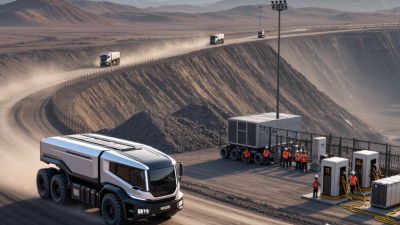
Electric mining trucks can change daily work at a mine, not just its emissions profile. Battery-electric models use stored energy, while trolley-assist trucks draw power from overhead lines on equipped haul routes. Both can reduce diesel use in suitable operations. Quieter loading areas are another benefit. Operators may notice less engine noise near the shovel, though tire and rock impacts remain loud.
Electric drivetrains deliver strong low-speed torque, which helps trucks start on steep ramps with heavy loads. Regenerative braking can return some energy during downhill travel, reducing brake wear under appropriate conditions. Results depend on route design, payload, temperature, and charging strategy. A truck waiting for a charger is not productive. The first planning estimate is often too optimistic.
Mine planners should map haul cycles, shift changes, and charging windows before selecting equipment. A parked truck beside a charging station may still create a bottleneck if several vehicles arrive together. Cold weather can affect battery performance, and steep routes may demand substantial power. These details matter. Maintenance teams also need training for high-voltage systems and charging equipment. Electric trucks can improve air quality near active work areas, but they do not remove dust from roads or replace careful ventilation planning underground.