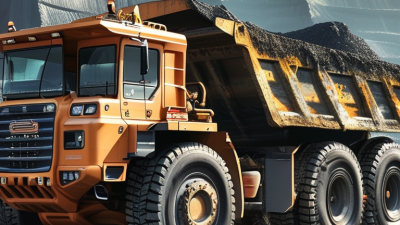
5 Best ETF Mining Trucks for Global Buyers?
Mining is entering a difficult transition. Haul trucks must move heavier loads, climb steep ramps, and reduce diesel dependence. The challenge is practical, not merely environmental.
The International Energy Agency reported that global battery demand reached about 750 GWh in 2023, increasing roughly 40% year on year. Its Global Critical Minerals Outlook 2024 also highlights rising pressure on lithium, nickel, and graphite supply chains. These trends matter for every Etf Mining Truck buyer. Battery availability, charging time, payload stability, and service support can determine whether an electric fleet succeeds. The Global Mining Guidelines Group further emphasizes interoperability, automation, and safe operating systems across modern mine sites.
Eric Gagnon, a mining-technology executive associated with ETF Mining, has said, “The future of mining haulage must combine electrification, automation, and practical productivity.” That principle sounds convincing. It still needs testing under real conditions.
This guide compares five leading Etf Mining Truck options for global buyers. Each model is examined through payload, energy strategy, braking performance, autonomy, maintenance access, and operating climate. A truck that performs well in a dry open pit may struggle in freezing temperatures or deep underground routes. That detail is easy to overlook.
No single truck fits every mine. Battery chemistry also remains a concern. Buyers should verify published range figures, charging infrastructure, warranty terms, local technician coverage, and total cost per tonne. The strongest choice may not be the newest machine. It may be the one that keeps moving after twelve hours of dust, vibration, and changing weather.
What Are ETF Mining Trucks and How Do They Work?
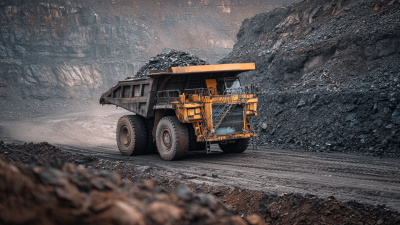
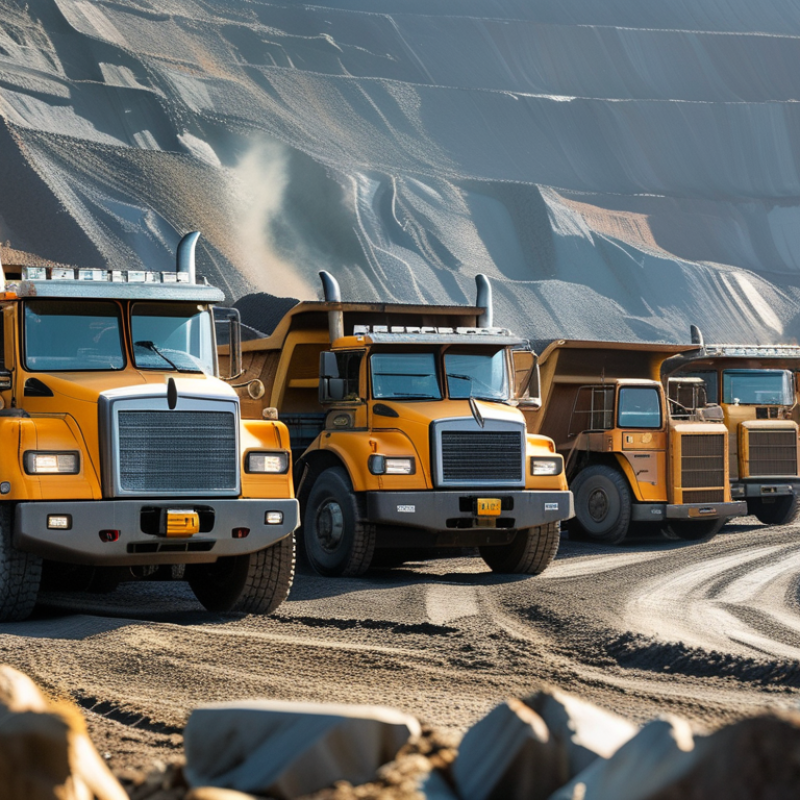
In mining discussions, ETF mining trucks usually refer to heavy-duty electric haul trucks built for open-pit operations. They carry blasted rock from loading areas to crushers, stockpiles, or waste dumps. Unlike diesel trucks, they use electric motors and battery systems to produce wheel torque. That matters on steep ramps, where strong low-speed power improves control and reduces fuel-related emissions.
The working cycle is straightforward. A loader fills the truck’s body, often with several bucket passes. The truck travels downhill or across uneven benches, unloads, and returns for another cycle. During braking, regenerative systems can send part of the energy back to the battery. Charging may occur at fixed stations, battery-swap points, or during planned idle periods, depending on site design. Dust, vibration, rain, and extreme temperatures still affect performance.
From a buyer’s viewpoint, payload is only one measure.
Battery capacity, charging time, tire life, ramp grade, service access, and software reliability deserve equal attention. A truck that looks efficient in a brochure may lose productivity in cold weather or on long haul roads. Real site trials are essential. I would also question optimistic range claims, because payload and terrain change daily. Mining teams should compare measured cycle data, maintenance records, operator training, and local technical support before selecting equipment.
Which Features Define the Best ETF Mining Trucks?
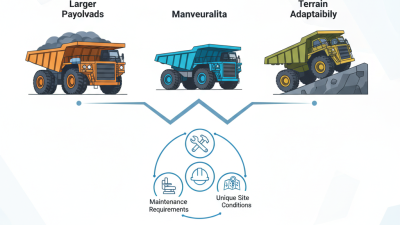
For global buyers, the best mining trucks start with a clear match between payload, haul distance, and site conditions. A large body is not automatically better. Buyers should verify rated payload, frame strength, tire access, and ground clearance against actual routes. On a wet ramp, traction and braking control matter more than brochure capacity. That lesson is easy to miss.
Power choice is another defining feature.
Battery-electric models can reduce local exhaust and noise, while diesel systems may suit remote sites with limited charging infrastructure. The right comparison includes energy use per cycle, charging time, thermal management, and service availability. Ask for test data from gradients, temperatures, and road surfaces similar to your mine. Laboratory figures can look impressive. Field evidence is stronger.
Durability depends on more than thick steel.
Look for sealed electrical systems, protected sensors, accessible maintenance points, and software that records faults clearly. Cab visibility, seat adjustment, emergency controls, and low-step access also influence daily safety and operator fatigue. Global buyers should examine training, spare-parts supply, warranty terms, and regional technical support before signing. I would also question optimistic uptime claims. A truck that performs well for one season may reveal weaknesses later. That limitation often matters more than a high headline capacity.
How Should Global Buyers Select the Right ETF Mining Truck?
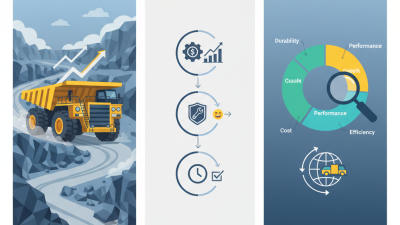
For global buyers, selecting the right ETF mining truck requires more than comparing payload figures. Start with five practical filters: payload, route length, gradeability, charging access, and service coverage. A truck carrying 240 tonnes may look efficient, yet it can underperform on steep haul roads or in sub-zero conditions. Measure the complete duty cycle, including loading delays, empty returns, queuing, and operator habits. Real site data matters more than a brochure.
The International Energy Agency reported that global electric truck sales grew by nearly 40% in 2023, while China represented more than 80% of sales. This shows rapid market growth, but it also reveals uneven infrastructure. Buyers should verify charger output, grid capacity, battery thermal management, and backup procedures before purchasing. The International Council on Mining and Metals estimates that mining and metals produce 4–7% of global greenhouse-gas emissions, so energy efficiency deserves serious attention. Still, lower emissions do not automatically mean lower operating costs.
Compare battery replacement schedules, tire wear, regenerative braking performance, and maintenance training. Request independent data from comparable mines. Ask for cold-weather range tests. Small details matter. A realistic total-cost model should include electricity tariffs, downtime, financing, spare parts, and resale value. I would be cautious with promised range figures because payload, gradients, and weather can change results sharply. The best ETF mining truck is not always the largest or newest; it is the one that fits the mine’s actual route, workforce, regulations, and power system.