Why Choose an ETF Mining Truck for Global Projects?

Global mining projects face longer haul roads, stricter emissions expectations, and rising pressure to control operating costs. The Etf Mining Truck offers a different answer to these challenges. Its electric architecture can reduce diesel dependence, while regenerative braking may recover energy during downhill travel. However, the value is not found in a brochure alone. It must survive dust, steep gradients, heavy payloads, and changing weather.

Stefan Pettersson, CEO of ETF Mining Trucks, has stated, “The truck is only one part of the mining system.” That observation deserves attention. A successful deployment also requires reliable charging, trained technicians, spare-parts planning, and accurate route data. On a remote site, a damaged connector or delayed battery shipment can stop production. Small details matter.

The Etf Mining Truck may also support quieter operations and more predictable energy planning. These benefits can improve working conditions near active haul routes. Yet electrification is not automatically cheaper or cleaner everywhere. Results depend on the local power mix, mine depth, climate, and replacement strategy. Cold regions may reduce battery performance. Weak grid capacity can create expensive delays.

This article examines why global contractors and mine owners are considering the Etf Mining Truck. It compares payload performance, energy use, charging requirements, maintenance demands, and lifecycle value. The discussion will remain practical. Claims should be tested against site data, not repeated as marketing language. That is the uncomfortable part. No single truck solves every mining problem. Still, the right electric platform could make a measurable difference when engineering decisions match real operating conditions.
Why Choose an ETF Mining Truck for Global Projects?

ETF Mining Trucks: Definition, Design, and Core Functions

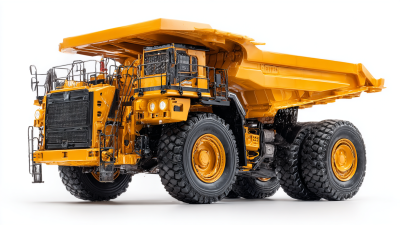
A heavy-duty electric mining truck is built to move ore, waste rock, or construction material across demanding sites. Unlike road vehicles, it uses a reinforced frame, large tires, high ground clearance, and a powertrain designed for steep gradients. In global projects, its value depends on payload, energy use, road conditions, and local service capacity.

Its design usually combines a high-capacity battery system, electric drive motors, regenerative braking, and a hydraulic tipping body. Battery cooling is essential in hot regions, while insulation and thermal controls support operation in colder climates. The chassis must absorb repeated impacts from uneven haul roads. Small design details matter, including camera placement, access steps, suspension settings, and emergency isolation controls.

Safety systems monitor speed, payload, battery temperature, braking pressure, and proximity hazards. Data records can help maintenance teams identify unusual tire wear or declining battery performance. Reliable operation also requires trained operators, scheduled inspections, and charging plans matched to shift patterns. No design is perfect. Mud, dust, extreme slopes, and delayed spare parts can expose weaknesses that laboratory testing misses. Field feedback should shape later engineering decisions, not be treated as a minor complaint. For global projects, an electric mining truck is suitable when its operating range, charging network, and site infrastructure are assessed together.
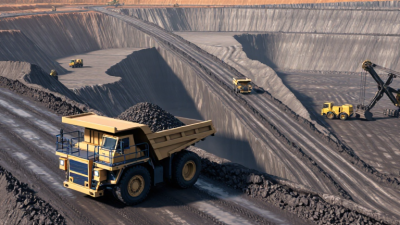
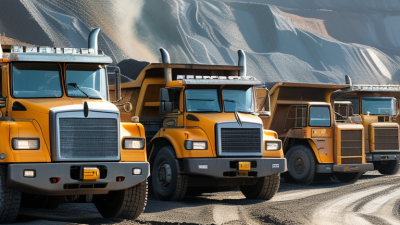
Why Choose an Electric Mining Truck for Global Projects?

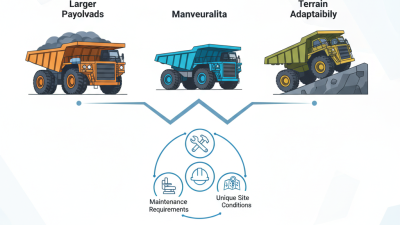
Electric mining trucks are available across multiple payload classes, allowing project operators to match vehicle capacity with haul-road design, material volume, and site productivity targets. Battery-electric drive systems can also support regenerative braking, reduced point-of-use emissions, and quieter operation. The payload figures shown are representative capacities commonly used in surface mining; actual ratings vary by vehicle design and operating conditions.

How ETF Mining Trucks Operate in Global Mining Environments

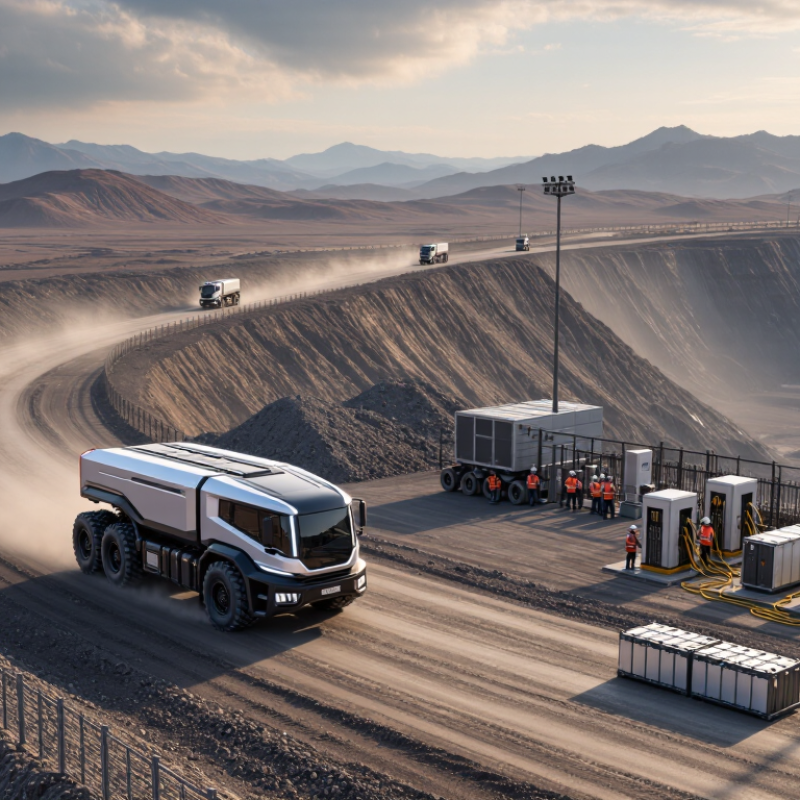
An ETF mining truck operates through coordinated electric drive systems, onboard controls, and site-based energy planning. Its motors deliver immediate torque, helping the truck move heavy loads from deep pits or steep haul roads. Sensors monitor speed, payload, battery temperature, brake performance, and road conditions during each cycle.

Global mining environments demand careful adaptation. In hot, dusty regions, filtration and thermal management protect critical components. In cold climates, battery conditioning and insulated systems support reliable starts. Wet sites require sealed electrical connections and controlled drainage. At high altitude, reduced air density can affect cooling and braking performance, so engineers adjust operating limits and inspection schedules.

Charging plans must match production cycles, available grid capacity, and local weather. Regenerative braking can recover energy on downhill routes, although results vary with payload and gradient. Operators usually combine remote diagnostics with daily physical checks. A warning on a display cannot replace a technician examining tires, connectors, and suspension parts.

In practice, no deployment is perfect. A route may look efficient on paper but create long queues at the charger. That gap deserves attention. Training also matters, because smooth acceleration and controlled braking influence energy use. Local teams should record real operating data, review unexpected stoppages, and revise procedures instead of trusting initial assumptions.

Key Benefits of Choosing ETF Mining Trucks for Large Projects

Large mining projects need trucks that deliver predictable output, not impressive specifications alone. Payload consistency, charging access, road gradients, and maintenance time should shape the purchase decision. The International Energy Agency’s Global EV Outlook 2024 reports that global electric truck sales grew by more than one-third in 2023. That shift signals stronger supplier experience and a wider parts ecosystem.

Uptime matters. A practical evaluation should compare complete haul cycles, including loading, climbing, braking, charging, and queuing. Regenerative braking can reduce energy loss on steep declines, but its value depends on route design and operator controls.

The ICMM’s 2023 climate position statement urges mining companies to reduce operational emissions through measurable transition plans. Electric haulage can support that goal, especially where renewable power is available.

However, battery weight, cold temperatures, and long charging windows may reduce available capacity. That is not a minor detail. Site trials should measure tonnes moved per operating hour, energy per tonne, and unscheduled downtime.

A smaller pilot may reveal weaknesses that a sales presentation hides. Procurement teams should also examine battery replacement costs, technician training, emergency procedures, and local service coverage. Perfect forecasts are unrealistic; transparent data is more valuable.

Safety, Maintenance, and Operating Requirements

For global projects, an electric mining truck must fit the site, not just the brochure. Field inspections should confirm road width, turning space, gradient, ground strength, and charging access. Operators need clear visibility around the cab, reliable cameras, alarms, and emergency shutdown controls. Wet clay, dust, extreme heat, and freezing conditions can change braking distance and traction quickly.

Daily safety checks should cover tires, wheel hardware, steering, brakes, lights, seat belts, and battery connections. Charging areas need ventilation, controlled access, clean cable routes, and protection from water or impact. Maintenance teams should record battery temperature, fault codes, brake wear, and charging performance. Small changes often reveal larger problems.

Training must match real working conditions. Drivers should practice controlled loading, downhill speed management, reversing, and recovery procedures. Payload limits matter because overloading increases tire stress, stopping distance, and energy use. Remote sites also need trained technicians, spare sensors, safe lifting equipment, and dependable technical support. No checklist is perfect. A rushed inspection can still miss a loose connector or developing crack. Teams should review incidents and near misses honestly, then adjust procedures before habits become failures.

Why Choose an ETF Mining Truck for Global Projects? - Safety, Maintenance, and Operating Requirements

Dimension Requirement or Metric Typical Planning Range Project Relevance Recommended Practice
Safety Rollover protection ROPS/FOPS-compliant operator protection Helps protect the operator during vehicle rollover events and falling-object incidents. Verify compliance with the regulations and mine safety standards applicable in the operating country.
Safety Braking system Service, secondary, and parking braking functions Heavy trucks require dependable braking on loaded downhill haul roads and emergency stopping areas. Inspect brake condition regularly and match the braking system to the maximum load, slope, and haul-road length.
Safety Visibility and detection Wide-angle mirrors, cameras, alarms, and optional proximity detection Reduces blind-spot risks when trucks operate near loaders, light vehicles, personnel, and fixed structures. Use a site traffic-management plan, controlled exclusion zones, lighting, and radio communication procedures.
Safety Seat-belt and operator restraint Three-point restraint or equivalent approved system Supports operator protection during sudden braking, uneven travel, and vehicle movement on rough terrain. Include restraint checks in every pre-start inspection and replace damaged components immediately.
Operating Requirements Payload selection Matched to truck design, road conditions, and material density Correct payload balancing prevents structural overload, excessive tire wear, poor braking, and reduced productivity. Use a payload-management process and avoid exceeding the rated capacity or unevenly distributing material.
Operating Requirements Haul-road gradient Determined by loaded gradeability and site engineering limits Gradient affects travel speed, fuel or energy use, brake temperature, cycle time, and component life. Confirm grades, turning radii, drainage, berms, and stopping areas before deployment.
Operating Requirements Ground clearance and road condition Sufficient clearance for ruts, rocks, mud, and uneven surfaces Ground conditions influence traction, suspension loading, frame stress, and tire damage. Maintain roads through grading, water control, rock removal, dust suppression, and regular hazard inspections.
Operating Requirements Climate adaptability Configured for ambient temperature, altitude, dust, humidity, and rainfall Environmental conditions can affect cooling, engine performance, hydraulic systems, electrical equipment, and operator comfort. Specify suitable filtration, cooling capacity, fluids, seals, corrosion protection, and cold-start provisions.
Maintenance Daily inspection Before each shift or operating cycle Early detection of leaks, loose fasteners, damaged tires, low fluid levels, and warning-system faults reduces unplanned downtime. Use a documented checklist covering tires, wheels, lights, alarms, steering, brakes, fluids, leaks, and structural components.
Maintenance Preventive maintenance intervals Based on operating hours, duty cycle, and manufacturer service instructions Severe-duty haulage usually requires more frequent inspections than light-duty or low-utilization applications. Schedule services by engine hours and condition data rather than relying only on calendar intervals.
Maintenance Tire management Pressure and temperature monitored according to tire specifications Tires are strongly affected by overload, underinflation, overspeed, sharp rocks, heat, and poor road surfaces. Record pressure, inspect cuts and separation, control speed, and maintain consistent haul-road standards.
Maintenance Spare parts and consumables Critical filters, hoses, belts, tires, brake parts, fluids, and electrical components Remote projects may face long delivery times and difficult transport conditions for replacement parts. Develop a critical-spares list based on fleet size, lead time, failure history, and local service capability.
Maintenance Service access Accessible inspection points and safe maintenance platforms Good access reduces maintenance time and lowers the risk of slips, falls, and incorrect servicing. Provide level parking, lockout/tagout controls, lifting equipment, spill kits, and trained maintenance personnel.
Productivity Cycle-time control Loading, hauling, dumping, returning, and queuing measured by route Truck selection should reflect the complete haul cycle rather than rated payload alone. Track travel time, idle time, queue time, payload, fuel or energy use, and availability by shift.
Project Readiness Operator training Classroom, practical, site-specific, and refresher training Training supports safe operation, consistent production, lower abuse-related damage, and better fuel efficiency. Cover pre-start checks, loading, reversing, braking, slope operation, emergency response, and defect reporting.
Project Readiness Regulatory and site approval Local certification, emissions, road-use, and mine-safety requirements Global projects may operate under different standards for machinery, emissions, transport, and worker protection. Complete a country-specific compliance review before procurement, shipment, commissioning, and commercial operation.

Note: The ranges and practices shown are general planning guidance for heavy-duty mining haulage. Final specifications must be confirmed against the selected truck configuration, duty cycle, mine design, local regulations, and the applicable operating manual.

Project Selection Factors and Global Deployment Considerations

Choosing an ETF mining truck should begin with project evidence, not brochure payload. Assess haul distance, gradients, queuing, road dust, and temperature across a full shift. Measure real routes for several weeks. A 2024 International Energy Agency report recorded more than 50,000 electric trucks sold globally in 2023. However, mine haulage remains far harsher than public-road transport. Energy demand can rise sharply on steep ramps or during cold mornings.

The business case depends on the complete operating system. Compare charging time, electricity capacity, battery replacement, tire wear, maintenance skills, and lost production during downtime. The World Bank’s Climate-Smart Mining report estimates that demand for minerals such as lithium, graphite, and cobalt could increase by nearly 500% by 2050. This supports electrification, but it also exposes supply-chain risks. A low-energy truck is not automatically economical. Local power prices may change the result.

Global deployment requires practical adaptation. Check grid stability, spare-parts customs procedures, technician training, emergency access, and local safety requirements before shipment. Hot climates may require stronger thermal management. High-altitude sites may need different cooling and braking strategies. Remote projects should model backup charging and recovery equipment. Start with a controlled pilot. Keep uncomfortable data. If the truck underperforms on one route, investigate the route design before blaming the machine. That reflection is easy to skip. It can prevent an expensive fleet decision.