What Is a Coal Mining Dump Truck and How Does It Work?

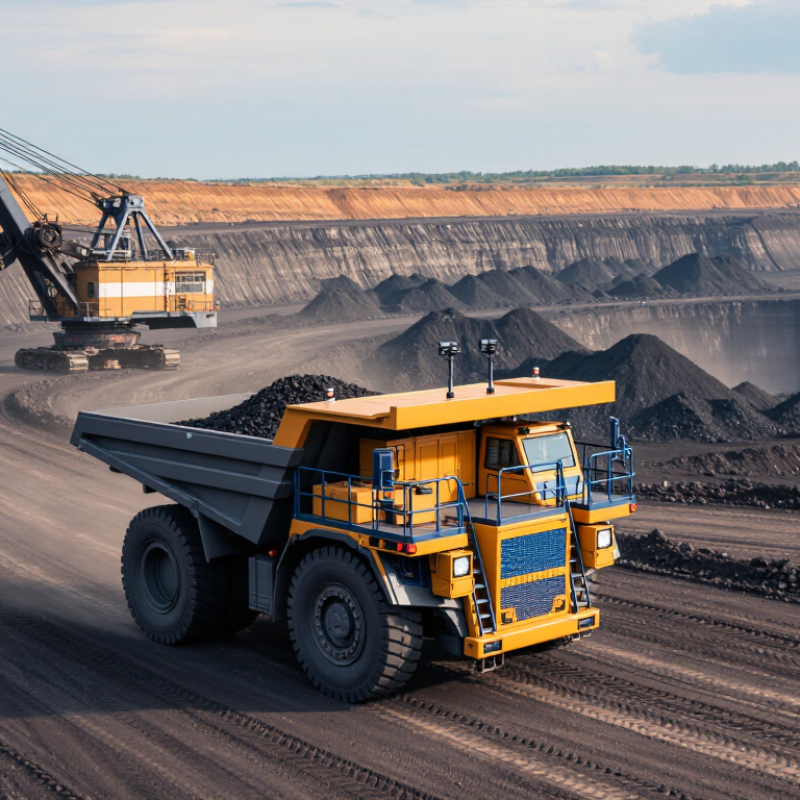
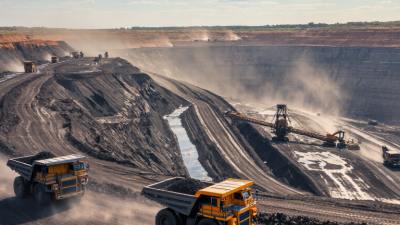
A Coal Mining Dump Truck is a heavy-duty vehicle designed to move blasted coal and overburden across mine sites. Its large body carries material from loading areas to crushers, stockpiles, or disposal zones. Unlike highway trucks, it works on private haul roads with steep grades, loose surfaces, and constant dust. The machine may use a diesel-mechanical or diesel-electric power system, depending on its size and design.

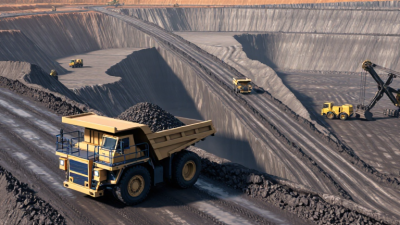
During a typical haul cycle, an excavator fills the dump body with several bucket loads. The truck then travels to the unloading point under an operator’s control. Powerful brakes, retarding systems, and wide tires help manage its heavy weight on descending roads. At the destination, hydraulic cylinders raise the body and release the load. The body lowers before the truck returns for another cycle. Simple in appearance.

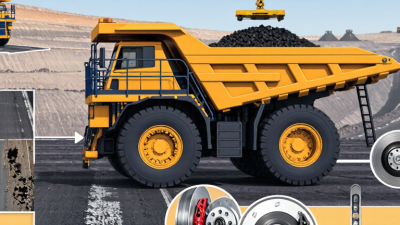
Modern models often include payload sensors, cameras, engine monitoring, and fleet-management systems. These tools help supervisors reduce overloading, control fuel use, and identify maintenance problems early. Experienced operators still matter. Electronic systems cannot fully judge changing ground conditions, poor visibility, or unusual tire behavior. That point is sometimes underestimated.

This article explains how the truck’s major systems work together, from power delivery to hydraulic dumping. It also considers operating efficiency, routine inspections, and practical safety controls. Actual performance varies with truck design, payload density, road conditions, and mine procedures. Therefore, published capacity figures should not replace manufacturer guidance or site-specific risk assessments. The machine is powerful, but not careless. Understanding its limits supports safer, more reliable coal transport.

What Is a Coal Mining Dump Truck and How Does It Work?

Coal-Mining Dump Truck Classes: 30–400-Tonne Payload and 2,000–4,000 hp

A coal mining dump truck is a heavy haul vehicle built for moving broken coal and overburden.

Its payload classes commonly range from 30 to 400 tonnes. Smaller trucks suit narrow benches, short hauls, and changing pit layouts. The largest units serve deep open-pit operations with wide roads and high production targets. Power outputs can reach roughly 2,000–4,000 hp.

The truck works through a simple but demanding cycle. A hydraulic or electric drive system turns the wheels through steep grades and loose surfaces. The body receives coal from a loading shovel, then travels to a crusher, stockpile, or dumping area.

Hydraulic cylinders raise the body, allowing the load to slide out. Large tires absorb shocks, but they still suffer under sharp rocks, heat, and excessive speed. Operators monitor payload, engine temperature, brake pressure, and tire condition during every shift.

Choosing a class requires more than reading the rated payload. Road width, haul distance, gradient, rainfall, and maintenance access all affect productivity. A 400-tonne truck may appear efficient, yet poor road design can create long queues and rapid component wear. Smaller trucks can sometimes deliver better fleet flexibility.

That judgment depends on measured cycle times, not assumptions. Even accurate calculations can miss changing coal moisture and uneven loading. Field records remain essential.

Main Components: Frame, 220–400-Tonne Body, Axles, Tires, and Powertrain

What Is a Coal Mining Dump Truck and How Does It Work?

A coal mining dump truck moves coal and overburden across large mine sites. Its frame forms the rigid foundation. It must resist twisting on uneven haul roads. The body usually carries 220–400 tonnes, depending on the truck’s design and operating conditions. Thick steel plates protect the body from impact. A hydraulic lifting system raises the front end, allowing material to slide out.

The axles transfer power and support the loaded weight. Heavy-duty tires maintain contact with the ground, even on rough surfaces. Their tread pattern helps control traction, braking, and heat. The powertrain combines an engine, transmission, drive system, and final drives. Together, these parts turn fuel energy into controlled wheel movement. During operation, the driver monitors speed, payload, temperature, and braking response. The machine is powerful, but not flawless. Poor loading can create uneven stress and unstable handling.

Tips: Inspect the frame for cracks, especially near suspension mounts. Check tire pressure before each shift. Keep the payload balanced, not simply full. Operators should reduce speed before bends and on downhill sections. Small oversights matter. In practice, maintenance records and real site experience often reveal problems before sensors do. One detail is easy to miss: a clean radiator can support stable powertrain performance in dusty conditions.

What Is a Coal Mining Dump Truck and How Does It Work? - Main Components: Frame, 220–400-Tonne Body, Axles, Tires, and Powertrain
Component or System Typical Data or Specification Function in Coal Mining How It Works Key Design Considerations
Operating Class Ultra-class rigid haul truck; nominal payload commonly 220–400 metric tonnes Moves large quantities of blasted coal and overburden between loading areas, ramps, crushers, and dump points. A loading unit fills the body, the truck travels on designated haul roads, and the body is raised hydraulically to discharge the material. Truck size is selected according to loading-unit capacity, haul-road conditions, production targets, and permitted operating limits.
Main Frame Heavy-duty welded steel chassis with reinforced front, center, and rear sections Supports the engine or generator set, suspension, body, axles, cab, and braking systems. The frame transfers payload, traction, braking, and impact loads through structural members and pivoted suspension connections. High strength, controlled flexibility, fatigue resistance, and access for inspection are essential because the frame experiences repeated shock loads.
Dump Body Nominal payload range: 220–400 tonnes; steel body with a reinforced floor, side walls, and front canopy Contains coal, waste rock, or overburden during transport. Hydraulic hoist cylinders or a comparable lifting mechanism raise the front of the body. Gravity then assists material discharge through the rear opening. Body volume must match the density of the material. Wear plates, impact zones, and a suitable floor angle help reduce abrasion and material hang-up.
Body Capacity Payload is measured by mass; volumetric capacity varies with body design and coal bulk density Determines how much material can be transported per cycle without exceeding structural, tire, axle, or braking limits. On-board payload monitoring may estimate the load using suspension pressure, strain, or related measurements before the truck leaves the loading area. Coal density changes with moisture, size distribution, and compaction, so a body can reach its volume limit before its mass limit.
Axles and Final Drives Multiple heavy-duty axles; configurations commonly use two or more powered axles depending on the drivetrain Carry the vehicle and payload while delivering torque to the wheels. Differentials and final drives reduce rotational speed and multiply torque. The powered wheels then convert torque into tractive force at the ground. Load sharing, gear strength, lubrication, cooling, and ground clearance affect reliability on uneven haul roads.
Tires and Wheels Large off-road radial tires, typically several metres in diameter, selected for extreme load and mine-road conditions Provide the contact area needed for traction, steering, braking, and support of the truck and payload. Inflated tires carry the load through air pressure and casing structure. Tread patterns transmit driving and braking forces to the haul-road surface. Tire pressure, temperature, tread condition, wheel alignment, and road sharpness directly influence safety, operating cost, and tire life.
Powertrain Diesel-mechanical or diesel-electric architecture; diesel engines commonly operate in the high-hundreds to low-thousands of kilowatts Produces the energy required for propulsion, hydraulic lifting, steering, cooling, and auxiliary systems. In a mechanical system, the engine drives a transmission and final drives. In a diesel-electric system, the engine drives an alternator, and traction motors propel the wheels. Power selection depends on payload, gradient, rolling resistance, ambient conditions, and the required travel speed.
Transmission and Traction Control Automatic multi-speed transmission or electric traction control with electronically managed torque Matches available engine or generator power to changing haul-road conditions. The control system adjusts gear selection, motor torque, or engine speed to limit wheel slip and maintain efficient movement on grades. Effective control improves tire life, drivetrain protection, fuel or energy efficiency, and operator control on wet or uneven surfaces.
Suspension Heavy-duty hydraulic, hydropneumatic, or comparable energy-absorbing suspension system Supports the frame and payload while reducing shock transmitted from the haul road. Suspension cylinders or accumulators absorb bumps and distribute wheel loads among the axles during travel and loading. Correct ride height, pressure, damping, and inspection intervals are important for frame life and tire contact with the ground.
Steering System Hydraulic power steering with independent front-wheel steering Allows the operator to position the truck safely on narrow ramps, loading areas, and dumping platforms. Hydraulic pressure moves steering cylinders connected to the front wheels. The steering circuit is normally supported by pumps driven by the powertrain. Redundant hydraulic protection, controlled turning radius, and clear visibility are important for maneuvering a heavily loaded truck.
Service and Retarding Brakes Hydraulic or electronically controlled service brakes supplemented by dynamic or retarder braking Slows and stops the truck and controls speed on long downhill sections. Service brakes create friction at the wheels. Retarding systems convert vehicle motion into heat or electrical energy, reducing reliance on friction brakes. Brake cooling, downhill speed management, emergency stopping distance, and regular inspection are critical for a fully loaded vehicle.
Hydraulic Dump System High-pressure hydraulic circuit with one or more large hoist cylinders Raises and lowers the body during loading and unloading. A hydraulic pump sends pressurized fluid to the hoist cylinders. The cylinders extend to tip the body and retract to return it to the travel position. System capacity, cylinder alignment, oil cleanliness, hose protection, and dump-site stability affect safe unloading.
Payload and Monitoring Systems Load measurement, engine monitoring, tire-pressure or temperature monitoring, and event recording Helps prevent overloads, identifies abnormal operating conditions, and supports maintenance planning. Sensors collect pressure, temperature, speed, position, and load information. The control system displays alerts and operating data to the operator or maintenance team. Accurate calibration and disciplined response to warnings help reduce structural damage, tire failures, and unplanned downtime.
Operating Cycle Spot for loading → loading → loaded haul → dumping → return haul Defines the repeated production process used in surface coal mining. The truck is positioned for loading, carries the payload to the destination, reverses or positions at the dump point, raises the body, and returns empty for the next cycle. Cycle time is influenced by loading time, haul distance, road grade, traffic control, queueing, dumping time, and required inspections.

How Diesel-Electric Drive Converts 2,000–4,000 hp into Hauling Force

What Is a Coal Mining Dump Truck and How Does It Work?

How Diesel-Electric Drive Converts 2,000–4,000 hp into Hauling Force

A coal mining dump truck is a rigid off-highway vehicle built for heavy, repeated loading cycles. Its diesel engine produces roughly 2,000–4,000 horsepower. Instead of driving the wheels directly, the engine turns an alternator. The alternator generates electricity for traction motors positioned near the drive wheels. This arrangement separates engine speed from wheel speed. It also gives the truck strong torque at low speeds, especially on steep haul roads.

During a loaded climb, electronic controls adjust power to each motor. The system can respond quickly when ground conditions change. Mud, loose rock, and uneven grades demand careful control. A large cooling system removes heat from the engine, generator, motors, and braking equipment. Dynamic braking converts the truck’s motion into electrical energy and heat, reducing pressure on mechanical brakes. In the field, operators still depend on sound judgment. Sensors help, but they do not understand every slippery patch.

Tips: Check tire pressure, payload records, and brake temperatures every shift. Watch for unusual motor noise or delayed acceleration. Small changes often appear before major failures. Keep haul roads graded and drainage clear. Maintenance teams should compare inspection data with real operating conditions, because laboratory assumptions can miss rough-site behavior. No estimate is perfect. A few neglected details can reduce hauling force and increase downtime.

What Is a Coal Mining Dump Truck and How Does It Work?

Large coal mining dump trucks commonly use diesel-electric drive systems. The diesel engine turns a generator, the generator supplies electricity to traction motors, and the motors apply torque through the wheels. The chart shows the direct conversion of engine horsepower into equivalent kilowatts.

Values are calculated using 1 horsepower = 0.7457 kilowatts. Actual wheel power is lower because of generator, inverter, motor, cooling, and drivetrain losses. At low speeds, gearing and motor torque allow the truck to produce high hauling force.

Loading, Hauling, and Dumping: A Typical 40–70 km/h Mine-Cycle Workflow

A coal mining dump truck is a heavy vehicle built to move broken coal and overburden across mine roads. Its work follows a repeated mine-cycle workflow: loading, hauling, dumping, and returning. During loading, an excavator or loader fills the raised body in controlled passes. Operators watch the load position carefully. Uneven loading can reduce stability and increase tire stress.

After loading, the truck travels toward the dumping area. On suitable mine roads, travel speeds may reach 40–70 km/h, depending on road design, gradient, traffic, visibility, and payload. Loaded trucks usually move more slowly uphill. Empty trucks may return faster. The operator checks mirrors, braking response, and radio instructions throughout the trip. At the dump point, the truck stops on firm, level ground, raises its body, and releases the material. It then lowers the body fully before returning for another load. The cycle looks simple, but small delays can quickly reduce daily production. No cycle is perfectly smooth.

Tips: Keep the load centered, avoid sudden steering, and inspect the dump area before raising the body. Road dust can hide potholes and loose edges. A practical mistake is treating speed as the main target. Consistent timing, safe spacing, and accurate loading often improve the whole operation more than rushing one trip. Supervisors should compare planned cycle times with field conditions, because real roads change after rain, blasting, or heavy traffic.

Safety and Efficiency Systems: Retarders, Payload Sensors, and 10–12% Grades

A coal mining dump truck carries blasted material from the pit to a crusher, stockpile, or waste area. Its large diesel engine drives the wheels through a heavy-duty transmission. The work looks simple. It is not.

On 10–12% grades, speed control becomes critical. Retarders help slow the truck without constant service-brake use. They may use hydraulic resistance or electric braking, depending on the truck’s design. The operator selects a suitable setting before descending, then watches speed, temperature, and road conditions.

A retarder is not a magic brake. Excessive heat can reduce braking performance, especially during long downhill runs. Operators still need service brakes and an approved escape plan.

Payload sensors measure the weight carried by the body through pressure, suspension, or frame-load data. Accurate readings protect tires, axles, and haul roads from overload damage. They also improve cycle-time records and fuel planning.

Calibration matters. A sensor can drift after maintenance, rough impacts, or suspension changes. That assumption is risky. Operators should compare displayed payloads with loading patterns and report unusual readings.

Material may shift while traveling, particularly on uneven surfaces or wet ramps. Clear radio communication, controlled loading, and regular inspections reduce that uncertainty. Small errors become serious when a loaded truck meets a sharp bend, poor visibility, or a crowded dumping area.