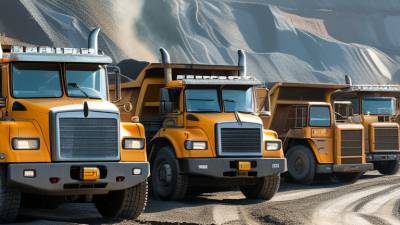
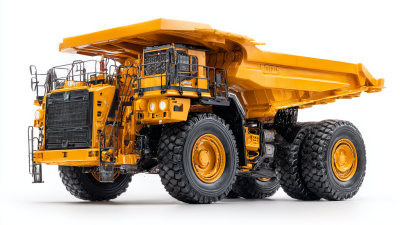
What Is the Best Big Mining Dump Truck to Buy?
Choosing the best Big Mining Dump Truck is not a simple contest of payload figures. The right machine must fit the mine’s haul roads, loading equipment, production plan, and maintenance capacity. A truck that looks powerful on paper can lose value through long queues, difficult repairs, or poor fleet matching. Small details matter: a steep ramp, abrasive rock, or limited service access can change the buying decision.
Published manufacturer specifications offer a useful starting point. Caterpillar’s 797F product data lists a nominal payload of 400 short tons, or about 363 metric tonnes. Komatsu’s 980E-5 specifications also list a 400-short-ton payload. These figures show the scale of today’s ultra-class trucks, but they do not prove that either model is best for every site. Actual results depend on truck configuration, operating conditions, and payload management. And specs can mislead.
A sound comparison should weigh total cost per tonne, fuel or energy use, tire availability, parts support, expected uptime, and resale prospects. Mine operators should also compare the truck with their shovels and calculate cycle times using real site data. Manufacturer figures describe designed capability; they are not independent guarantees of field performance. Ask suppliers for verified results from comparable operations, then check those claims against your own maintenance and dispatch records. The best choice may be less obvious than the largest number on a brochure.
Defining the Best Big Mining Dump Truck for Your Operation
The best big mining dump truck is the one that fits your mine, not simply the one with the highest rated payload. Start with the material: dense, abrasive rock places different demands on the body and tires than lighter overburden. Then check the haul profile, including ramp grades, road width, turning areas, and average distance. Small mismatches can slow every cycle.
Look at the full operating cycle. A truck must load cleanly with the excavator, travel safely on the site roads, and dump without creating unnecessary delays. Compare payload with expected cycle time, fuel use, tire life, and maintenance access. A larger capacity may reduce trips, but it can also require road upgrades or a loading tool that your operation does not have. Fit matters.
Consider local support and the people who will run the equipment. Ask how quickly common wear parts can reach the site, how routine inspections are performed, and whether operators can see clearly around the truck. A technician’s notes from a week of real shifts can reveal issues that a specification sheet misses. So can a rough road. Cost per ton is useful, but estimates depend on accurate site data. Be willing to revise them; early assumptions are often imperfect.
Comparing Payload Classes, Truck Designs, and Mine Conditions
What Is the Best Big Mining Dump Truck to Buy?
The best choice depends on how payload, truck design, and mine conditions work together. A higher payload rating may move more material per trip, but only when the shovel, loading area, and haul roads can support it. Compare the truck’s rated capacity with the actual density of your ore or waste. Wet, dense material can reach the limit sooner than a bucket count suggests. Small details matter.
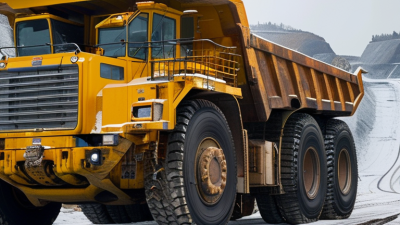
Rigid-frame trucks commonly suit large, established open pits with wide roads and long haul cycles. Trucks with electric-drive systems may offer useful control on steep routes, while mechanical-drive models can fit other duty cycles. For tighter, rougher sites, a smaller or articulated design may navigate better, though it may not match the output of a large haul truck. Check gradients, turning space, road strength, altitude, and climate. Even a careful estimate can be wrong.
Tips: Compare payload classes against your loading equipment and planned cycle time. Ask operators to review visibility, access for routine service, and braking performance on loaded descents. Track road wear and tire life during trials, not just tonnes moved. Not always the biggest. A truck that fits the mine’s conditions may deliver steadier production with fewer delays.
Evaluating Performance, Safety, Fuel Use, and Purchase Cost
A large mining dump truck should be judged by cost per moved tonne, not payload alone. During a site trial, record loaded and empty cycle times, fuel use, tire wear, and downtime on the actual haul road. The U.S. Department of Energy’s 2007 Mining Industry Energy Bandwidth Study attributed about 39% of U.S. mining energy use to diesel. That figure covers mining broadly, not trucks alone, but it shows why fuel efficiency deserves close scrutiny. Ask suppliers for comparable fuel figures under similar gradients, payloads, and weather. Otherwise, the comparison is shaky.
Safety needs the same practical attention. Check cab visibility from the operator’s seat, braking response on the steepest route, access steps, and compatibility with site collision-warning systems. MSHA’s annual fatality data track powered-haulage incidents, so review your own site’s incident history alongside the agency’s records. A specification sheet cannot reveal a blind corner or a poor radio handoff. Small gaps compound.
Purchase price is only the entry point. Compare financing, delivery, training, parts availability, tire costs, scheduled maintenance, and expected resale value across the truck’s planned service life. Put these figures into a cost-per-hour model, then test it against real shift records. Be candid about uncertainty: road changes, operator habits, and unplanned repairs can distort forecasts. A cheaper truck may cost more if it spends too many shifts waiting for parts.
Matching Truck Capabilities to Site and Haul Requirements
The best big mining dump truck is the one that fits the actual haul, not simply the largest unit available. Start with payload, but check it against the loader’s bucket size and loading time. A truck that waits while another bucket is filled can disrupt the whole cycle. Small mismatches add up.
Walk the route. Note steep grades, tight turns, soft sections, and the distance between the shovel and dump point. A long, smooth haul may favor different capacity and speed than a short route with sharp bends. Road conditions matter. Tire limits, braking performance, and suspension should suit the loaded truck’s operating weight. Ask operators and maintenance staff what causes delays now; their observations can reveal problems a planning sheet misses.
Compare expected cycle times with fuel use, service access, and parts availability at the site. Check whether workshops can handle the truck’s size and whether recovery equipment is adequate. These details are easy to overlook. A calculation may look convincing, yet changing weather or uneven roads can alter performance. Leave room for that uncertainty, and verify assumptions with route measurements and operating data before choosing.
What Is the Best Big Mining Dump Truck to Buy?
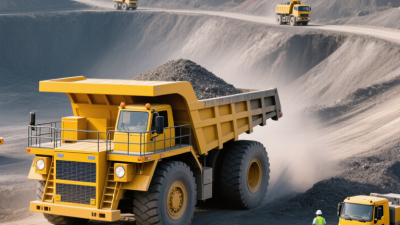
Match truck capabilities to site and haul requirements. Typical rated payload ranges vary by model and configuration.
Articulated trucks can suit uneven or constrained routes, while larger rigid trucks can move more material per trip on haul roads designed for their size and weight. Compare payload with road width, gradients, haul distance, loading equipment, fleet needs, and total operating cost before choosing.
Assessing Dealer Support, Maintenance, and Lifetime Ownership Costs
Choosing a large mining dump truck is not just a payload decision. Dealer support can shape availability as much as the machine itself. Ask how quickly field technicians can reach your pit. Check which critical components are stocked locally and how night-shift callouts are handled. Get response-time commitments in writing, then speak with nearby mine operators. Their accounts may be less polished, but often more useful.
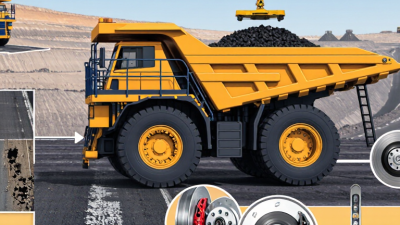
Maintenance details matter. Check access to filters, cooling packs, and wheel-end components; awkward steps repeated every shift add labor. Request a schedule tailored to your haul profile, dust levels, gradients, and annual operating hours. Compare parts prices, labor rates, warranty limits, and planned service downtime—not just the purchase price. Include fuel, tires, repairs, and expected resale value in the ownership-cost model. Small assumptions can shift the result.
The model will still be imperfect. Haul roads change, operators vary, and a delayed part can upset a neat forecast. I would request anonymized availability and repair records from comparable operations. Then check what the figures exclude. Look for technician training, diagnostic capability, and a clear escalation path when a fault returns. Good support matters. A low bid may cost more later.