How to Choose a Giant Mining Dump Truck?
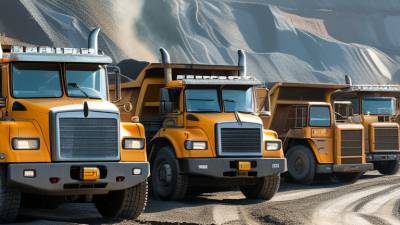
A Giant Mining Dump Truck is more than a machine with an enormous payload. It is a working part of a mine’s haulage system. The right choice depends on actual routes, gradients, loading equipment, shift patterns, and maintenance capacity. A truck that looks ideal on a specification sheet may struggle on a steep, uneven haul road. Small details matter.
Mining equipment specialist Alex Morgan puts the decision plainly: “Choose the truck for the haul road, not the brochure.” That means comparing rated payload with real operating conditions, then checking cycle times, fuel use, tire availability, braking performance, and service support. A few minutes saved per trip can matter across a fleet. So can a maintenance delay.
This guide explains how to assess those trade-offs before choosing a Giant Mining Dump Truck. It covers payload, engine and drivetrain options, road conditions, operator visibility, and lifecycle costs. It also looks at parts access and dealer support, because a large truck is only useful when it is ready to work. Not every mine needs the biggest model. That can be easy to forget. Site data may be incomplete, and estimates can miss changing conditions. Use this overview as a starting point, then confirm assumptions with equipment specifications and experienced site personnel.
Define the Mine’s Production Needs and Operating Conditions
Start with the mine’s required tonnes per shift, not a truck’s rated payload. Map the actual haul: loaded distance, empty return, road gradient, rolling resistance, loading time, dump time, and shift length. These details shape cycle time. USGS Mineral Commodity Summaries 2025 estimates 2024 global copper-mine output at about 23 million metric tons. That figure offers context, not a target for an individual mine.
Measure payload distribution, not just the maximum; repeated partial loads can distort the plan. Record cycle times in wet and dry conditions, including queues at shovels and dumps. Global Mining Guidelines Group’s A Standardized Time Classification Framework for Mobile Equipment in Surface Mining separates operating time from delays, helping teams compare utilization consistently. Check dispatch and maintenance logs against those categories. Small details matter.
Estimate tonnes per truck-hour using realistic payloads and completed cycles. Then account for availability, breaks, weather, and planned maintenance. Compare the result with the production schedule and road capacity. Steep ramps or narrow roads may limit truck size before engine power does. Early estimates are often optimistic. Conditions change. Recheck the figures after a representative trial shift.
Match Truck Payload to Excavator Capacity and Haul Routes
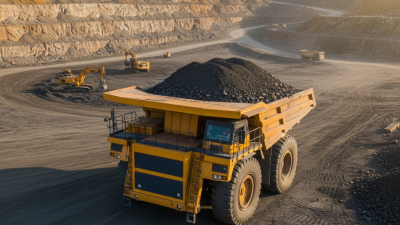
Match a giant dump truck’s payload to the excavator’s real loading capacity, not a brochure figure. Count bucket passes and time several loading cycles using the material you actually move. A 12-cubic-metre bucket can carry very different weights in dry blasted rock and sticky, wet ore. Too many passes slow the shovel; too few can leave the truck underfilled. It is not always neat.
Haul routes matter just as much. Record loaded and empty travel times, gradients, turning space, road width, and stopping points. A steep ramp or sharp bend can cut average speed. A longer, smoother route may reward more payload, but only when the road and truck can handle it. Check tire loading, braking, and road-maintenance limits with site engineers. Dust changes visibility. So does rain.
Tips: Compare truck cycle time with excavator loading time across a full shift, not one ideal run. Leave room for uneven loading and imperfect data. Review payload records and queue lengths after a trial.
Compare Truck Designs, Powertrains, and Site Compatibility
A giant mining dump truck should match the haul route, not just the target payload.
Rigid-frame designs suit broad, engineered roads and steady, high-volume cycles. Their size can become a liability on tight switchbacks or narrow loading benches. Articulated designs turn more easily, but their capacity and operating economics may not fit every large mine.
Measure turning areas and loading clearances on site.
Powertrain choice affects both performance and maintenance planning.
Diesel-electric systems can deliver controlled torque on long grades, while mechanical drivetrains may suit routes with frequent speed changes. Neither is automatically better. Compare fuel or energy use under your actual payload, gradient, and cycle time. Also check local maintenance skills, parts access, and the time required to diagnose faults.
Small details matter.
Site conditions can overturn a tidy spreadsheet.
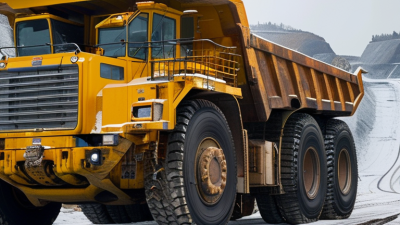
Steep ramps, soft ground, high altitude, dust, and heat all influence truck performance and component life. Check road width, curve radius, ground bearing strength, and the distance between loading and dumping points. Match tire capacity to payload and surface conditions; overheated tires can disrupt a shift.
A specification sheet alone is not enough.
Ask operators and maintenance crews to review the proposed route, because their practical concerns may expose assumptions that planners missed.
Assess Safety Systems, Serviceability, and Parts Support
When choosing a giant mining dump truck, treat safety as a field test, not a checklist. MSHA’s 2023 mining fatality data recorded 40 U.S. mining deaths, a sobering benchmark for haulage risk. Check sightlines from loaded and empty positions, camera coverage, proximity alerts, braking response, seat-belt interlocks, fire suppression, and cab escape routes. Test alerts in dust and glare. They can fail.
Serviceability shows up during a real shift. Look for ground-level access to filters and service points, clear isolation procedures, readable diagnostics, and room to remove heavy components safely. Ask maintenance crews to time routine inspections and show how they reach common failure points. A polished walkaround can hide awkward access; that deserves a second look.
Parts support needs measurable commitments, not reassuring language. Request local stock levels, historical fill rates, median delivery times, and emergency response coverage for critical components. Compare those figures with the mine’s remote-site conditions and planned maintenance windows. Deloitte’s 2024 Tracking the Trends discusses reliability and maintenance as productivity priorities, but local performance data matters more than broad claims. Track repeat delays and obsolete-part substitutions during a trial period. One spreadsheet will not capture every muddy shift.
How to Choose a Giant Mining Dump Truck
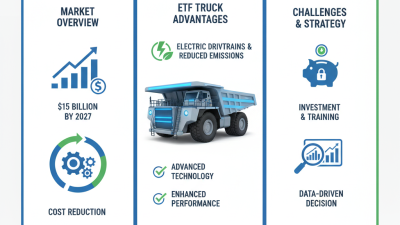
Compare payload needs alongside safety systems, serviceability, and parts support.
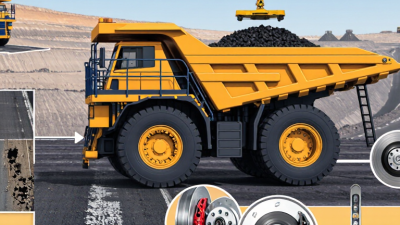
How to use this chart: Payload bands are approximate industry ranges, not universal class definitions. Match capacity to your haul-road and production requirements, then verify braking and stability features, access for routine maintenance, and local availability of critical parts before selecting a truck.
Calculate Total Ownership Costs and Verify Supplier Capability
How to Choose a Giant Mining Dump Truck?
Start with the actual duty cycle, not the truck’s maximum payload.
Record average haul distance, road gradient, loading time, and expected shifts. A truck that looks efficient on a brochure may burn more fuel on steep, rough roads. Compare purchase price with fuel, tires, planned maintenance, operator training, and financing over the expected service life. Include road repairs and workshop equipment, too. These costs are easy to overlook. Downtime is expensive.
Use site data to estimate hours lost to servicing and unplanned repairs. Then test how sensitive the total cost is to fuel prices, tire life, and annual operating hours. Some estimates will be uncertain; label assumptions rather than presenting them as facts. Ask suppliers for service-response records, parts availability near the mine, technician qualifications, and customer references for similar operating conditions. Request a written maintenance schedule and clear warranty exclusions. Ask for evidence. Check whether the supplier can provide commissioning, operator training, and support during the first months of operation. A polished presentation is not proof of reliable field support. Review sample parts lists and confirm which components are stocked locally. If possible, speak directly with a mine using comparable haul routes. One detail may change your calculation: actual tire life on your roads.