China Top 10 Dump Truck Mining Jobs Suppliers?

China’s mining equipment market is becoming more strategic as mines demand higher payloads, safer operations, and dependable after-sales support. This article examines China’s top 10 Dump Truck Mining Jobs suppliers through practical purchasing criteria, including payload capacity, fuel efficiency, drivetrain durability, automation readiness, spare-parts access, and operator training.

The International Energy Agency’s Global Critical Minerals Outlook 2024 reports strong long-term growth in mineral demand linked to electric vehicles, batteries, and power networks. That pressure reaches mine sites directly. Larger haul trucks may move more ore per cycle, but they also require stronger roads, skilled drivers, reliable maintenance, and careful fuel planning. Deloitte’s Tracking the Trends 2024 also highlights productivity, digital systems, and workforce capability as continuing mining priorities. The machine is only one part of performance.

Mining economist David Humphreys has repeatedly emphasized that “mining is a long-term, capital-intensive business.” That observation remains useful here. A low purchase price can look attractive beside a bright new cab, yet downtime beside a wet haul road may cost far more. No ranking is flawless. Supplier pricing changes, local dealer strength differs, and published specifications may not match field conditions. This guide therefore treats the leading Chinese suppliers as candidates, not guaranteed winners. It compares visible evidence, operating practicality, and ownership risk, while recognizing that each mine has different grades, distances, climates, and safety systems. For readers searching for Dump Truck Mining Jobs, the topic also connects equipment choices with real work: trained operators, mechanics, dispatchers, and supervisors keep these heavy machines productive every shift.
China Top 10 Dump Truck Mining Jobs Suppliers?

What Are Mining Dump Trucks and Their Supplier Roles?

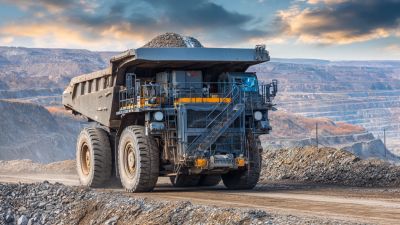
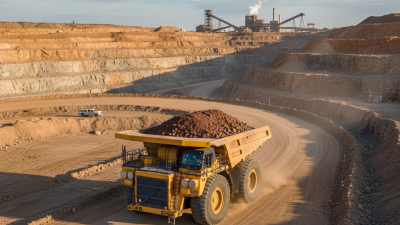
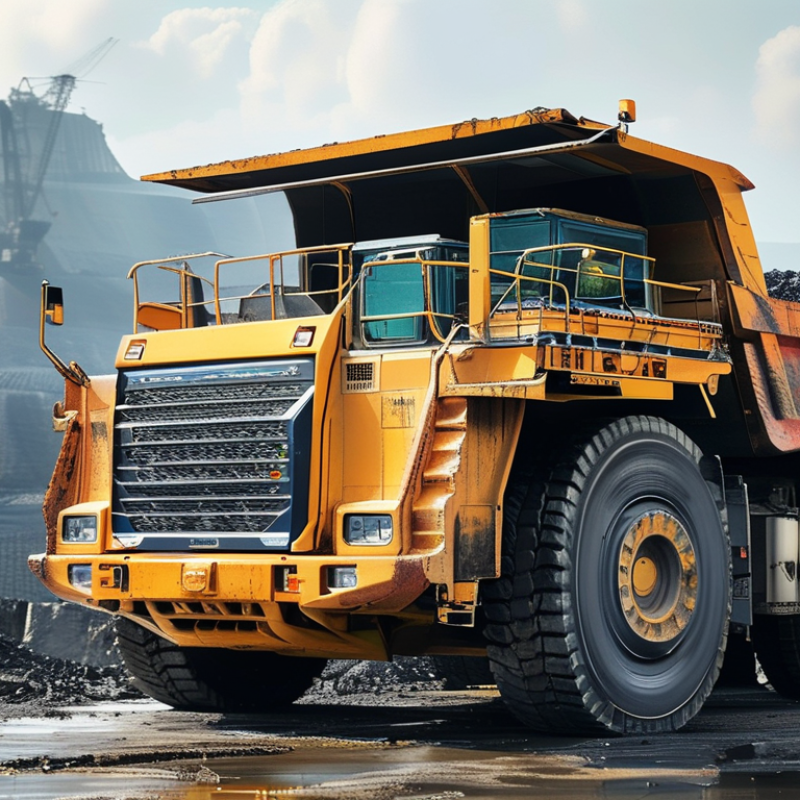
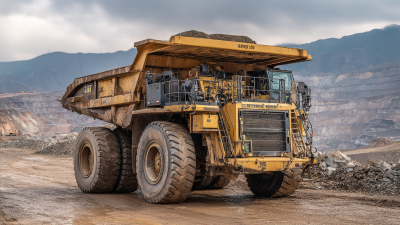
Mining dump trucks are heavy off-highway vehicles designed to move ore, waste rock, and overburden. They operate on steep haul roads, rough benches, and dusty mine sites. Their large bodies carry far more material than ordinary construction trucks. Hydraulic cylinders raise the dump body, while reinforced frames handle repeated shock loads. A typical shift may involve climbing long grades, braking under heavy loads, and reversing beside a crusher.

A mining dump truck supplier does more than sell equipment. The supplier studies payload, road width, slope, climate, fuel access, and service conditions before recommending a configuration. This prevents a powerful truck from becoming an expensive mismatch. Suppliers may provide engines, transmissions, tires, monitoring systems, and customized bodies. They also arrange operator training, maintenance schedules, spare parts, and field support. These details affect availability more than glossy specifications.

Reliability needs evidence. Buyers should inspect test records, component warranties, repair response times, and performance from similar mines. Ask how quickly a damaged hydraulic hose or tire can be replaced. Small delays can stop an entire loading cycle. Good suppliers explain limitations honestly, including fuel consumption, cold-start issues, and expected component life. No truck is perfect. Even a well-matched unit may suffer downtime when operators overload it or haul roads remain poorly graded. Careful suppliers help measure those risks instead of hiding them.
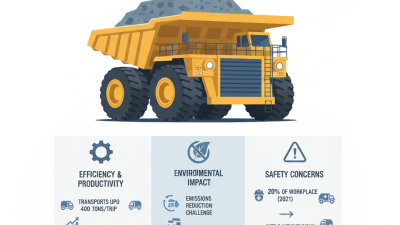
How to Evaluate China’s Mining Dump Truck Suppliers

A top-ten list of China’s mining dump truck suppliers is only a starting point. Buyers should evaluate evidence, not rankings.

The IEA’s Global Critical Minerals Outlook 2024 projects strong growth in mineral demand, while announced projects may cover only about 70% of copper demand by 2035. This pressure makes truck availability, payload accuracy, and service response commercially important.

Check the supplier’s operating history in similar mines.

Request verified data for fuel use, cycle time, tire wear, and unscheduled downtime. Compare the complete cost over five years, not only the purchase price.

PwC’s Mine 2024 report recorded a 7% revenue decline among the largest mining companies in 2023. Cost control matters.

Ask for test records, spare-parts lead times, warranty exclusions, and technician training documents. A clean brochure proves little. Some records remain difficult to verify.

Tips

  • Inspect a working truck before signing.
  • Measure body thickness and frame welds.
  • Review telematics access and data ownership.
  • Ask whether local technicians can repair the transmission, hydraulic system, and braking controls.
  • Calculate payload using actual material density, not a showroom estimate.
  • Require references from mines with comparable haul roads and weather.
  • A spreadsheet can still lie.
  • Suppliers should also explain software updates, export documentation, and emergency support outside normal business hours.

China’s Top 10 Mining Dump Truck Suppliers

China’s Top 10 Mining Dump Truck Suppliers

China’s top ten mining dump truck suppliers are often judged by more than factory size. Buyers should examine payload ratings, drivetrain design, frame strength, and service coverage. A truck may look powerful in a catalog, yet perform poorly on steep haul roads. Payload comes first. However, fuel use, tire wear, braking control, and cabin visibility also affect long-term costs.

Reliable suppliers usually provide detailed test records, production traceability, and clear warranty terms. Their engineering teams should understand quarry routes, open-pit mine conditions, mud, dust, and extreme temperature changes. During supplier evaluation, request welding inspection reports, hydraulic-system data, spare-parts plans, and operator training details. Factory audits can reveal practical issues, such as weak storage systems or inconsistent component labeling.

The strongest ten suppliers are not always the cheapest. A lower purchase price may hide longer delivery times or limited technical support. Site inspections and user interviews offer useful evidence, but they are not perfect. Operating conditions differ widely. One model may excel on dry roads but struggle in heavy rain. Buyers should compare at least three working references and verify performance under similar loads. In some cases, suppliers provide impressive figures that cannot be repeated at an actual mine. Careful questioning remains necessary.

China’s Mining Dump Truck Supplier Landscape: Typical Payload Classes

This chart presents representative rated payload classes commonly used in open-pit mining. The figures reflect established heavy-duty mining truck capacity ranges and are shown without company or brand names.

Key Differences in Products, Capacity, and Industry Applications

China Top 10 Dump Truck Mining Jobs Suppliers?

A top-ten supplier shortlist should compare engineering fit, not catalogue size. The China Construction Machinery Association reported strong export growth for construction equipment in 2023, but shipment volume does not prove mine-site reliability. Buyers should check payload, frame strength, cooling systems, braking control, and parts availability. Small rigid trucks often carry 30–60 tonnes. Larger models may exceed 100 tonnes. The difference is substantial.

Open-pit coal operations usually need high payloads, simple maintenance, and long downhill braking performance. Metal mines may value compact turning radii and stronger suspension. Quarry sites often prefer lower-cost articulated units for uneven roads. GlobalData’s 2024 mining equipment analysis identifies haulage equipment as a major surface-mining investment area. However, report categories can hide major differences between truck classes.

The International Energy Agency’s Global Critical Minerals Outlook 2024 projects lithium demand to grow about ninefold by 2040 under its stated-policies scenario. This may increase demand for trucks serving lithium, copper, and nickel projects. Electric or hybrid models can reduce local exhaust emissions, yet charging infrastructure remains a practical limitation. Some suppliers claim high availability, but independent duty-cycle records matter more. Request payload logs, fuel data, brake-temperature tests, and failure histories. One weakness remains: published capacity figures rarely reflect steep ramps, dust, heat, and overloaded shifts.

China Top 10 Dump Truck Mining Jobs Suppliers? - Key Differences in Products, Capacity, and Industry Applications

Rank Supplier Profile Primary Product Category Typical Payload Powertrain and Drive Production Capacity Band Main Mining Applications Operating Conditions Key Product Difference
1 Large rigid-haulage profile Ultra-class rigid mining dump trucks 220–400 t Diesel-electric or electric drive; 6×4 or 6×6 Low-volume, project-based production; usually below 100 units/year Large open-pit coal, iron ore, copper and oil-sands mines Long haul roads, high-load cycles and large benches Highest payload and lowest cost per transported tonne
2 Medium-to-large rigid-truck profile Rigid-frame off-highway dump trucks 60–220 t Mechanical or diesel-electric transmission; 4×2, 6×4 or 6×6 Medium-to-high output; approximately 100–500 units/year by product range Open-pit aggregate, coal, metal and quarry operations Moderate-to-severe haul roads and repeated loading cycles Broadest balance between payload, availability and purchase cost
3 Articulated-haulage profile Articulated dump trucks 25–60 t Turbo-diesel engine; articulated center joint; 6×6 commonly available Medium production; approximately 200–800 units/year by series Small open pits, overburden removal, construction and remote mines Soft ground, steep grades, mud and uneven haul roads Superior traction and maneuverability compared with rigid trucks
4 Coal-haulage profile Coal-specific mining dump trucks 30–90 t Diesel mechanical or diesel-electric; reinforced cooling and filtration systems Medium-to-high output; approximately 300–1,000 units/year across standard models Thermal coal mines, stripping operations and coal stockpile transport Dusty environments, high utilization and repetitive short-to-medium hauls Optimized body volume and fuel efficiency for lower-density bulk material
5 Metal-ore haulage profile Heavy-duty ore dump trucks 70–170 t High-torque diesel or diesel-electric system; heavy-duty axles Medium output; approximately 150–600 units/year by model family Iron ore, copper, gold, nickel and polymetallic open-pit mines High-density payloads, steep ramps and abrasive rock conditions Reinforced frames, bodies and braking systems for abrasive ore
6 Quarry and aggregate profile Quarry dump trucks and off-road haulers 30–100 t Diesel mechanical transmission; standard and heavy-duty suspension options High-volume standardized production; approximately 500–2,000 units/year Limestone, granite, sand, gravel and construction aggregate quarries Short haul distances, frequent loading and confined quarry roads Lower acquisition cost and simpler maintenance for quarry fleets
7 Underground mining profile Underground dump trucks and mine haulers 15–60 t Low-profile diesel or battery-electric drive; articulated chassis Specialized low-volume production; generally below 500 units/year Underground metal mines, decline development and ore-heading operations Restricted headings, low roof clearance, ramps and ventilation limits Compact dimensions, low turning radius and optional zero-emission operation
8 Electric-drive transition profile Battery-electric and trolley-assist mining trucks 30–240 t Battery-electric, hybrid or trolley-assisted electric drive Emerging production; typically below 300 units/year per configuration Mines seeking lower fuel consumption, emissions and operating noise Fixed routes, regenerative downhill sections and charging infrastructure Lower direct emissions and energy cost, with charging requirements
9 Remote-site and export profile Custom-configured mining dump trucks 40–150 t Diesel mechanical or electric drive with regional specification packages Flexible batch production; approximately 100–500 units/year Overseas coal, copper, iron ore, aggregate and infrastructure projects Hot, cold, high-altitude or remote locations with limited service access Adaptable cooling, filtration, tires, cabins and regional compliance packages
10 Value-focused fleet profile Standardized medium-duty mining dump trucks 20–80 t Diesel mechanical transmission; optional automatic or retarder systems High-volume production; approximately 800–3,000 units/year across standard ranges Small and medium mines, contractors, earthmoving and quarry fleets General off-road transport and short-cycle material movement Competitive purchase price, common components and easier local servicing

Note: Payload ranges and capacity bands are representative industry ranges derived from commonly published specifications for Chinese mining dump-truck product classes. Actual specifications, production volumes, configurations and application suitability vary by model, order requirements and operating conditions.

How to Select the Right Chinese Mining Dump Truck Supplier

Selecting the right Chinese mining dump truck supplier requires more than comparing quoted prices. Start by matching the truck to your site conditions, including payload, haul distance, road gradients, weather, and ground strength. A low-cost model may perform poorly on steep, wet roads. That mistake becomes expensive.

Ask for factory records, quality certificates, production photos, and documented load-testing results. A dependable supplier should explain frame design, braking capacity, engine performance, tire options, and expected fuel use clearly. Request a live factory inspection or an independent third-party audit. Speak with previous mining customers, not only supplied references. Their feedback may reveal delayed parts or weak technical support.

Check the service plan before signing any agreement. Confirm spare-parts availability, technician response times, warranty limits, training arrangements, and remote troubleshooting methods. Ask whether manuals include clear maintenance schedules and local-language support. Trial one truck under real working conditions when possible. Measure fuel consumption, cycle time, tire wear, driver comfort, and maintenance access.

Do not rely on polished videos alone. I once underestimated the value of simple parts storage near the mine. That oversight caused avoidable downtime. Supplier communication also deserves careful testing. Send detailed technical questions and observe how precisely the team responds. A strong partner admits limitations and proposes practical changes. The cheapest offer is not always the safest investment. Review the total operating cost over several years, including repairs, downtime, transport, and training.