2026 Best Coal Mining Dump Trucks for Global Buyers
Choosing the 2026 best Coal Mining Dump Truck requires more than comparing payload figures. Global buyers must examine working conditions, mine design, service access, and total operating cost. A 100-ton truck may perform well on a wide haul road, yet struggle on steep ramps or weak ground. The right machine fits the mine.
Michael Schmid, a Caterpillar surface mining executive, has stated, “Mining trucks must deliver productivity while supporting safety, reliability, and lower operating costs.” This principle guides our evaluation. We compare payload capacity, engine performance, braking systems, tire durability, operator visibility, and onboard monitoring. We also consider local parts supply and technician training. These details often decide whether a truck earns money or waits beside the pit.
Real sites reveal the difference. Dust can cover cooling screens within hours. Rain can turn a loading area into deep mud. Long downhill runs can test retarding systems and driver discipline. Fuel consumption matters, but it is not the only cost. Downtime, tire damage, and delayed maintenance may quietly erase expected savings.
No single Coal Mining Dump Truck suits every country or seam. That sounds obvious, but buyers sometimes overlook it. Electric and autonomous options may reduce emissions and improve consistency, yet charging systems and digital support remain uneven. Conventional diesel trucks still offer practical advantages in remote mines. This guide examines leading models with a careful, experience-based view, while recognizing that specifications can change by region, configuration, and supplier.
Coal Mining Dump Trucks: Definition, Types, and Core Applications
Coal Mining Dump Trucks: Definition, Types, and Core Applications
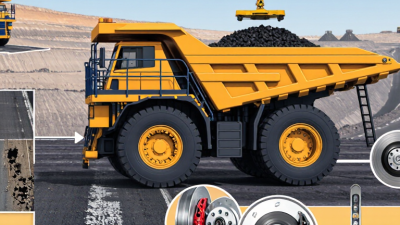
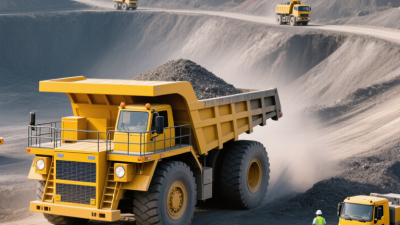
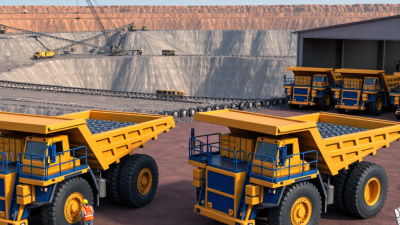
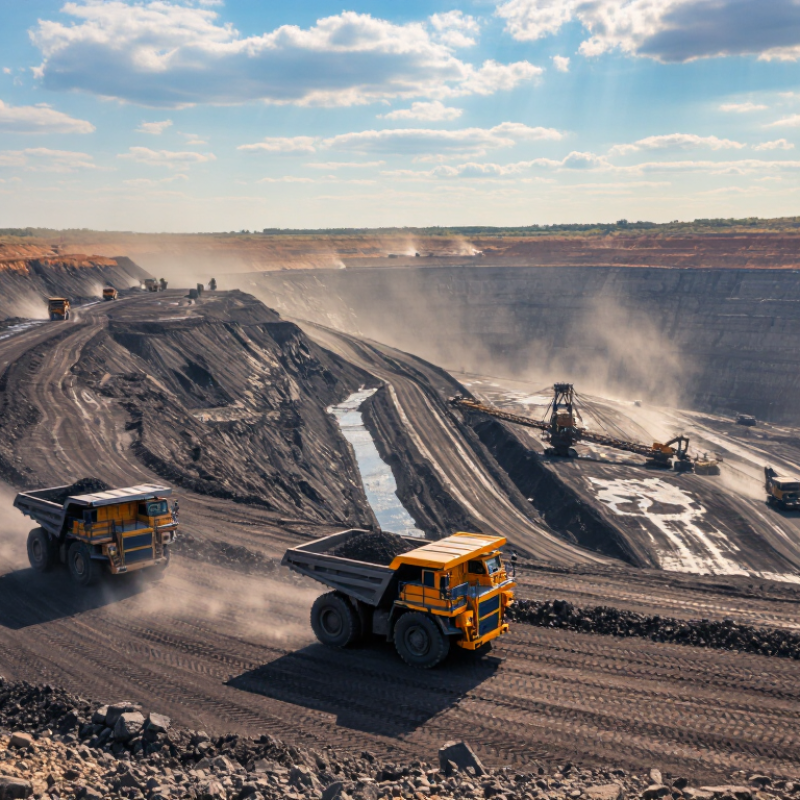
Coal mining dump trucks are heavy off-highway vehicles designed to move coal, overburden, and waste rock across mine sites. They differ from highway trucks through stronger frames, larger tires, and reinforced dump bodies. A typical unit may carry dozens of tonnes on uneven haul roads, steep ramps, and dusty benches. Payload, ground clearance, braking performance, and body volume directly affect operating efficiency.
Rigid-frame dump trucks suit large open-pit mines with stable haul roads and long transport cycles. Their high payload supports continuous movement from loading faces to crushers or stockpiles. Articulated dump trucks provide better maneuverability on wet, irregular ground. They can work around sharp turns and changing road conditions. Underground low-profile dump trucks fit restricted headings and low roof clearances. They often serve short-distance hauling between production areas and underground transfer points.
Core applications include transporting run-of-mine coal, removing overburden, and relocating waste material. Some trucks also support road construction, drainage work, and stockpile management. In field operations, matching the truck to the loading equipment matters. A small excavator may cause long waiting times, while an oversized truck can increase idle costs. Operators should review cycle distance, average slope, tire conditions, fuel or energy use, and local safety requirements. A wet clay ramp can reduce traction quickly. Dust can also obscure mirrors and cameras. Specifications may look impressive, yet real performance depends on maintenance discipline and operator training. No choice is perfect. Periodic field measurements are still necessary.
Key Performance Specifications for Coal Mine Haulage
2026 Best Coal Mining Dump Trucks for Global Buyers
Key Performance Specifications for Coal Mine Haulage
Coal mine haulage demands more than a large payload. Buyers should match truck capacity with road width, bench height, haul distance, and loading equipment. Rigid dump trucks commonly carry 30 to 100 tonnes, while articulated units suit rougher ground and tighter turns. Payload must stay within the rated limit. Overloading raises tire heat, brake wear, and frame stress.
Engine power often ranges from 250 to over 1,000 horsepower. However, power alone does not decide productivity. Torque delivery, transmission response, and gradeability matter on long ramps. A truck operating on an 8% gradient needs stable low-speed control and dependable cooling. Retarders, oil-cooled brakes, and emergency braking systems deserve close inspection. Brake performance changes with dust, rain, and descending weight.
Check body volume against coal density and moisture. A wet load can exceed expectations. Ground clearance, axle durability, and tire size influence performance on uneven haul roads. Cab visibility, access steps, noise control, and seat suspension affect operator safety during long shifts. Telematics can record fuel use, payload trends, idle time, and fault alerts. Data helps, but sensors are not always perfect. Site trials remain valuable. Measure actual cycle times, fuel consumption, and maintenance access before making a global purchase decision.
2026 Best Coal Mining Dump Trucks for Global Buyers - Key Performance Specifications for Coal Mine Haulage
How to Compare Dump Truck Capacity, Power, and Durability
2026 Best Coal Mining Dump Trucks for Global Buyers
How to Compare Dump Truck Capacity, Power, and Durability
Coal demand remains substantial. The International Energy Agency’s Coal 2024 report forecasts global demand near 8.7 billion tonnes annually through 2027. That pressure makes truck selection a production decision, not a showroom decision. Compare rated payload with the actual density of your coal, overburden, and wet material. A large body can reduce trips, but it may overload tires, axles, and haul roads.
Power needs a route-specific calculation. Record ramp gradients, haul distance, altitude, road surface, and average speed. Then compare net power, torque, retarding performance, and payload-to-power ratio. More horsepower is not automatically better. A truck with weak cooling may lose performance during long climbs. It should also meet recognized braking requirements, such as ISO 3450. Test the loaded truck on the steepest route.
Durability lives in small details. Inspect frame welds, suspension travel, dump-body wear plates, brake cooling, filtration, and corrosion protection. Dust enters everywhere. The U.S. Mine Safety and Health Administration repeatedly identifies powered haulage as a serious mining risk, so visibility, braking response, and operator controls deserve equal attention. The IEA data supports long-term demand, but it does not guarantee profitable operation. My own comparison mistake was focusing too heavily on payload. Maintenance access mattered more than expected. A spreadsheet can still lie.
Selecting the Best Coal Mining Dump Truck for Global Operations
Selecting the best coal mining dump truck requires more than comparing payload numbers. Global operations face different roads, climates, regulations, and maintenance skills. A truck that performs well in a dry open pit may struggle on wet ramps or frozen ground.
Start with the complete haul cycle. Measure loading time, travel distance, gradient, road width, and dumping conditions. Match payload with the excavator and loading area. Oversized trucks may reduce trips, but they can increase tire wear and road damage. Smaller units may offer better control on narrow benches.
Safety and serviceability deserve equal attention. Choose strong retarders, reliable hydraulic brakes, clear visibility, and stable suspension systems. Check whether the cab protects operators from dust, noise, and severe temperature changes. Maintenance access also matters. Daily inspection points should be reachable without special equipment. This saves time in remote mines.
Fuel use should be measured under actual site conditions, not only laboratory figures. Ask for performance records from similar coal operations. Review parts availability, technician training, warranty support, and digital monitoring functions. Telematics can reveal idle time, harsh braking, and overload events. Useful data, when reviewed honestly.
A perfect truck does not exist. Field teams often discover small weaknesses after deployment. Loose cabin seals, slow service response, or poor ramp traction can become costly problems. Pilot testing one unit may expose these issues before fleet expansion. Operator feedback should influence the final decision. Their daily observations are often more practical than a polished specification sheet.
2026 Best Coal Mining Dump Trucks for Global Buyers
Selecting the Best Coal Mining Dump Truck for Global Operations
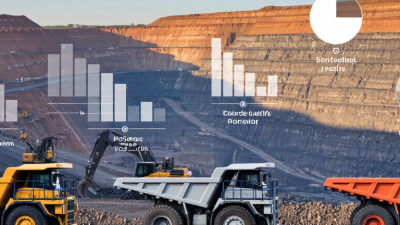
This chart compares representative payload classes commonly used in large-scale coal mining operations.
Higher-payload trucks can improve haulage productivity on well-engineered roads, while smaller classes
may provide better flexibility for narrow benches, shorter hauls, and sites with lower infrastructure capacity.
Actual specifications vary by configuration, terrain, haul distance, and local operating conditions.