Top Electric Mining Truck Manufacturers Worldwide

Electric mining trucks are changing how large mines manage hauling, energy use, and emissions. Yet the market is not simple. Manufacturers offer different vehicle types, power systems, and levels of commercial readiness. Some trucks operate at mine sites today; others remain under development or depend on specific charging infrastructure. That distinction matters.

This guide to Top Electric Mining Truck Manufacturers Worldwide compares companies by practical factors, not headline claims alone. It considers payload capacity, operating range, charging or battery-swap approaches, service support, and compatibility with existing mine operations. Specifications can vary by model and site conditions, so published figures should be checked against manufacturer documentation and real operating data. Details matter.

The Electric Mining Truck market also includes more than fully battery-powered vehicles. Hybrid systems and trolley-assisted designs may suit particular routes, while battery-electric trucks can offer different advantages where charging systems are available. Each choice brings trade-offs. Mines must weigh vehicle cost, electricity supply, terrain, duty cycles, and maintenance needs before selecting equipment. There is no universal winner.

The manufacturers covered here represent a fast-moving global industry, but company rankings can shift as projects advance and products reach commercial use. This overview highlights what buyers and industry readers should compare, while noting where public information remains limited. Some details deserve closer scrutiny. That is useful, not a weakness.
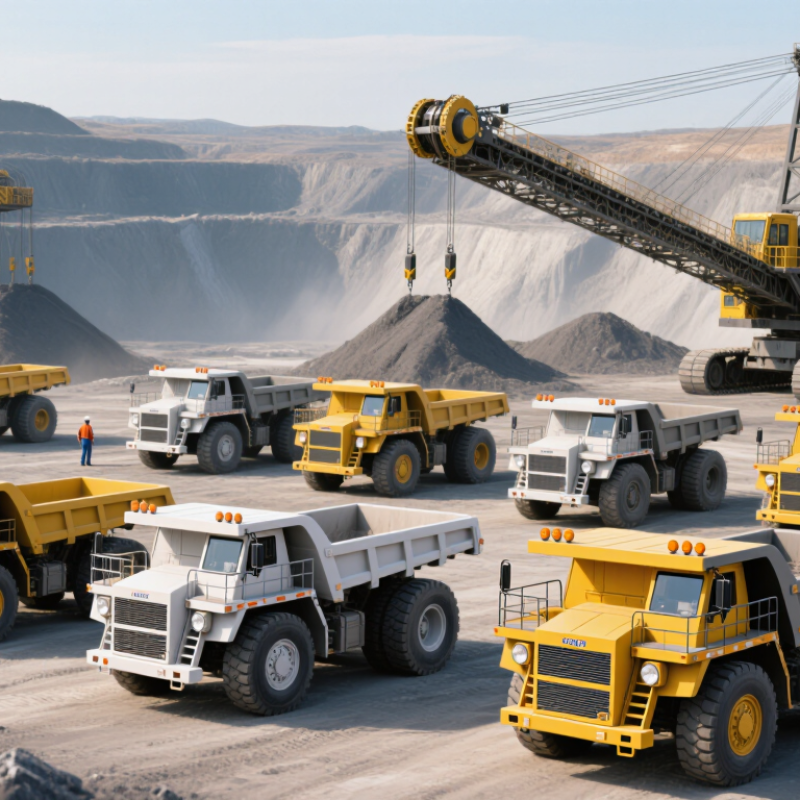
Top Electric Mining Truck Manufacturers Worldwide

Electric Mining Trucks: Definition, Purpose, and Main Types

An electric mining truck is an off-highway haul vehicle that uses electric motors to move heavy loads of ore or waste rock. The term covers several power systems, not one standard design. Battery-electric trucks store energy onboard and recharge between shifts or during planned stops. Trolley-assist trucks draw power from overhead lines on steep haul roads, then run independently elsewhere. Hybrid trucks combine electric traction with an onboard generator or engine. Each type suits different routes, payloads, and charging options.

The purpose is practical: move more material while reducing onsite exhaust and, in some configurations, energy use. Regenerative braking can return energy during downhill travel. Quieter operation may also improve conditions near active haul roads. The IEA’s Global EV Outlook 2024 reports that electric truck sales grew by about 35% in 2023, but that figure describes road vehicles, not mining fleets. It signals wider progress in heavy-vehicle electrification, not guaranteed mine-site performance. Real results depend on gradients, payload, climate, and charging time. A truck can look efficient on paper. It may still lose hours to charging or road changes. That trade-off deserves honest assessment.
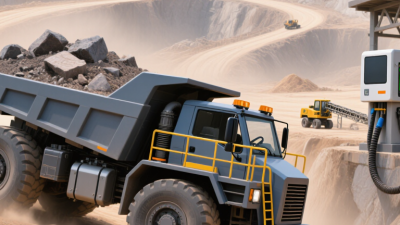
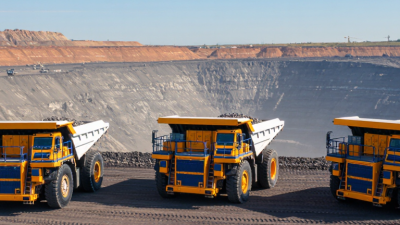
Electric Mining Trucks: Main Types and Direct Exhaust

Battery-electric and hydrogen fuel-cell trucks produce no direct tailpipe exhaust during operation. Trolley-assist trucks also have no tailpipe exhaust while drawing power from the overhead line, but may use an onboard diesel engine elsewhere. Diesel-electric trucks generate electricity with an onboard diesel engine and produce exhaust. These technologies power heavy-duty trucks used to haul ore and waste in surface mines; the chart does not represent lifecycle emissions.

Key Technologies Behind Modern Electric Mining Trucks

Modern electric mining trucks combine high-capacity battery packs, electric drive motors, and software that coordinates power delivery. The battery supplies current to inverters, which regulate electricity for the motors. This setup can provide smooth torque when a loaded truck climbs a steep haul road. Operators also need clear dashboards showing charge level, temperature, and estimated range.

Thermal management is crucial. Cooling systems help keep batteries and power electronics within operating limits during long shifts and repeated charging. Regenerative braking can recover some energy while a truck slows downhill, but the amount depends on route, load, and operating conditions. Sensors and control software monitor these systems and can flag unusual heat or component behavior. Still, battery performance varies with weather and duty cycle; a specification sheet cannot fully predict results at a particular mine. That deserves attention.

Tips: Compare usable battery capacity with the truck’s actual route and payload, not just its advertised range. Check charging time, connector compatibility, and cooling requirements before planning a fleet. Ask how performance is measured. Real shift data matters.

Leading Electric Mining Truck Manufacturers Worldwide

Leading electric mining truck manufacturers worldwide are judged less by headline range than by dependable performance across demanding mine cycles. Their teams combine high-capacity batteries, electric drivetrains, thermal controls, and regenerative braking in vehicles designed for steep ramps and heavy loads. On an open-pit route, a loaded truck may climb slowly, then recover energy while descending. Results depend on road grade, weather, tire selection, and charging access. Small details matter. Cable reach, service access, and battery cooling can affect daily availability as much as motor output.

Established manufacturers also invest in testing, maintenance training, and support for mine-site charging systems. Buyers should examine payload, charging time, operating temperature, and service response together, rather than comparing range figures alone. Published range can be difficult to match in real conditions. That gap deserves attention. The best fit is site-specific: a truck suited to a short, steep haul may not work well on a longer route with limited charging windows. Manufacturers that share clear operating data help mine operators plan more confidently, though no design removes every practical compromise. A missed detail in shift planning can still leave a costly truck waiting at the charger.

How Manufacturers Compare in Capacity, Range, and Applications

Electric mining truck manufacturers serve distinct operating needs, so capacity alone rarely identifies the best fit. Large haul trucks move heavy loads between pit faces and crushers, while medium-duty units may suit shorter routes or support work. Compare payload with road gradient, rolling resistance, and average cycle time. A truck carrying more can still deliver less per shift.

Range figures need careful reading. Ask whether quoted distance reflects an empty or loaded truck, moderate grades, and a full battery. Uphill loaded travel can use energy quickly; downhill sections may recover some through regenerative braking. Charging access, cold mornings, tire condition, and queue time also shape daily output. Not enough. One number cannot describe a full shift.

Tips: Request a duty-cycle estimate based on your haul road, payload, and shift length. Check charging power and battery reserve at shift end. Compare service access and planned downtime, not just stated range. Then trial the truck on a representative route and measure energy use over several shifts. Field results may differ; that gap deserves attention.

Top Electric Mining Truck Manufacturers Worldwide - How Manufacturers Compare in Capacity, Range, and Applications

Comparison by equipment class. Payload figures are indicative ranges for established mining-truck classes, not specifications for individual manufacturers. “Electric drive” may refer to battery-electric, trolley-assisted, or diesel-electric systems.

Electric Truck Category Typical Payload Capacity Range / Operating Limits Common Applications Key Comparison Considerations
Battery-electric underground haul truck Approximately 14–65 metric tonnes, depending on truck size and mine configuration A single standardized range figure is generally not comparable across models. Usable shift time depends on battery capacity, payload, gradient, speed, temperature, and charging or battery-swapping arrangements. Underground hard-rock mines, haulage between draw points and ore passes, and operations seeking to reduce exhaust emissions and underground ventilation demand Compare payload against tunnel dimensions, battery-change or charging time, gradient performance, and service availability.
Medium electric-drive surface haul truck Approximately 90–150 metric tonnes For diesel-electric configurations, operating distance is determined by fuel and duty cycle; for battery-electric configurations, route range is application-specific and must be confirmed for the selected vehicle. Smaller open-pit mines, quarry operations, and shorter or moderate-distance material-haul routes Assess haul distance, loaded and empty gradients, charging or fueling infrastructure, and the truck’s compatibility with existing loading equipment.
Large electric-drive surface haul truck Approximately 180–240 metric tonnes Trolley-assisted trucks draw power from an electrified haul-road section and are limited by the trolley network; diesel-electric trucks do not have a battery-only range. Battery range varies by vehicle and route. Large open-pit mines with sustained production and established haul roads; trolley assist is most applicable to suitable, repeated uphill routes. Compare payload, road grades, trolley coverage, energy supply, maintenance requirements, and compatibility with the mine’s loading and dumping cycle.
Ultra-class electric-drive surface haul truck Approximately 290–360 metric tonnes Commonly diesel-electric; trolley assist can supply power on equipped sections. A universal kilometre-range figure is not meaningful without specifying fuel or battery configuration and the mine duty cycle. Very large open-pit mines moving high volumes of overburden or ore over established haul-road networks Evaluate payload matching with the loading fleet, road design, availability targets, tire and maintenance support, and the economics of trolley infrastructure.
Important: Payload is not the same as gross vehicle weight. Manufacturers use different ratings and configurations, and actual operating capacity should be verified against the relevant technical specification. “Range” for mining trucks is rarely a like-for-like published metric; compare vehicles using the mine’s route profile, payload, duty cycle, energy supply, and operating schedule.

Global Adoption, Market Trends, and Industry Challenges

Electric mining trucks are gaining attention as operators seek lower exhaust emissions and quieter sites. Adoption is strongest where mines have predictable haul routes, access to reliable power, and space for charging or battery-swapping systems. A truck climbing a steep ramp under a full load uses energy differently from one traveling a short, level route. That detail matters.

Market interest is also shaped by electricity costs, battery performance, and the ability to keep trucks working through long shifts. Manufacturers are developing higher-capacity batteries, faster charging, and systems that recover energy on descents. Yet a successful demonstration does not guarantee smooth daily operation. Mine managers need to compare energy use, maintenance needs, payload, and downtime across real operating conditions—not only ideal test runs.

Infrastructure remains a major hurdle. A remote site may need grid upgrades, backup power, and charging equipment built around its shift schedule. Cold weather can reduce battery range, while dust, vibration, and steep grades test components over time. Not everywhere. Financing and technician training also affect adoption, especially where electric fleets are new. Market forecasts can sound certain, but site-level results vary; careful trials and transparent performance data are more useful than broad promises.