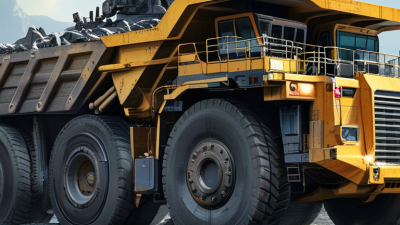
2026 Top Automated Mining Trucks You Should Know About?
The mining industry is on the verge of a significant transformation. Automated Mining Trucks are leading this change. These advanced vehicles are revolutionizing how materials are moved in mines. They promise increased efficiency and safety. However, the technology is not without its challenges.
As we explore the 2026 top Automated Mining Trucks, we will highlight various models. Each truck has unique features and capabilities. Some excel in heavy-duty operations, while others are designed for precision tasks. The need for reliability in these trucks is paramount. Issues with connectivity and software can lead to costly downtime.
The future of mining also demands a reflection on sustainability. Automated Mining Trucks play a role in reducing carbon footprints. They can optimize routes and minimize fuel consumption. Still, the technology must continue evolving. It’s essential for manufacturers to address safety concerns and maintain operational reliability. This ongoing journey will shape the future of mining operations worldwide.
The Evolution of Automated Mining Trucks: A Brief Overview
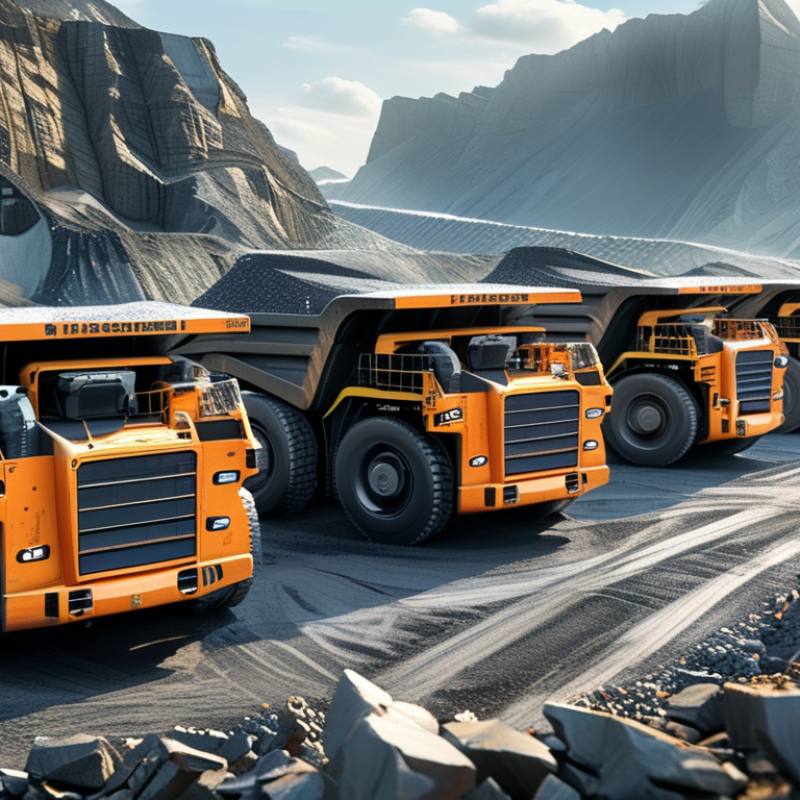
The evolution of automated mining trucks represents a fascinating shift in mining technology. Initially, these trucks were simple vehicles with basic automation features. Over time, advancements in artificial intelligence and machine learning have transformed them into sophisticated machines capable of operating autonomously. This allows for more precise navigation and efficient material transport in challenging environments.
As technology progressed, safety became a larger focus in the design of these trucks. Automated mining vehicles can reduce human error and minimize accidents in hazardous conditions. However, the transition to automation is not without challenges. There are concerns about job displacement and the need for skilled workers to manage these advanced systems. While automated trucks improve operations, the industry must address these social implications.
Not all automated mining trucks perform flawlessly. Some face difficulties in extreme weather or uneven terrain. Continual research is needed to enhance their reliability and efficiency. Observing these challenges can lead to more innovative solutions in the future. Ultimately, the evolution of these trucks reflects the ongoing quest for technology that not only improves productivity but also considers the workforce it impacts.
2026 Top Automated Mining Trucks You Should Know About
| Model |
Payload Capacity (tons) |
Autonomy Level |
Operating Weight (tons) |
Power Source |
| Model A |
200 |
Fully Autonomous |
400 |
Diesel |
| Model B |
150 |
Semi-Autonomous |
350 |
Electric |
| Model C |
250 |
Fully Autonomous |
500 |
Hybrid |
| Model D |
180 |
Fully Autonomous |
420 |
Diesel |
| Model E |
220 |
Semi-Autonomous |
480 |
Electric |
Key Features of the 2026 Top Automated Mining Trucks
In 2026, automated mining trucks are set to transform the industry. The key features of these trucks are aimed at enhancing efficiency and safety. One notable aspect is the integration of advanced AI technology. This allows for real-time data analysis and decision-making. With sensors and cameras, these trucks can navigate complex terrains without human intervention.
Another essential feature is improved battery technology. Longer operational hours are critical in mining. New electric models promise reduced downtime. These trucks will work tirelessly, but challenges remain regarding battery replacement and charging infrastructure. Additionally, maintenance routines must adapt to these advanced systems.
Safety features are also crucial. Automated trucks are designed to minimize human error. They can detect obstacles and adjust their routes accordingly. However, reliance on technology raises concerns about system failures. The industry must address these vulnerabilities. Striking a balance between automation and human oversight remains a pressing issue.
Leading Manufacturers and Their Innovations in Mining Technology
The mining industry is rapidly evolving with automation as a key focus. Companies are investing heavily in innovative technologies for automated trucks. These vehicles aim to enhance efficiency and safety in mining operations. Several leading manufacturers are at the forefront of this transformation. They are continuously improving their designs and functionalities to meet mining industry needs.
One significant trend is the development of autonomous driving systems. These systems rely on advanced sensors and artificial intelligence to navigate complex terrains. This technology allows trucks to operate in challenging environments without human intervention. Additionally, remote monitoring capabilities provide real-time data to operators. This helps improve decision-making and maintenance processes, increasing overall productivity.
However, the shift toward automation raises questions. What happens to jobs traditionally held by humans? There is a balance to strike between efficiency and employment. Companies must consider the social impact when implementing these technologies. Innovations are promising but require careful consideration of their broader implications on the workforce.
2026 Top Automated Mining Trucks: Innovations and Performance
Efficiency and Safety Improvements in Modern Mining Trucks
Modern automated mining trucks are transforming the industry. Their design focuses heavily on efficiency. These trucks often operate 24/7, maximizing productivity. With advanced sensors, they navigate challenging terrains with precision. This technology reduces the need for human drivers in risky environments.
Safety is another significant aspect. Automated mining trucks are equipped with collision avoidance systems. They can detect obstacles and adjust their paths accordingly. This capability decreases accident rates. Additionally, remote monitoring allows operators to oversee multiple trucks from a safe distance. However, training is crucial for personnel to handle these sophisticated systems.
While these innovations are impressive, they do come with challenges. Maintenance of automated systems requires specialized skills. This raises questions about workforce training and adaptability. Moreover, the reliance on technology may lead to potential system failures. Regular assessments and updates are vital for seamless operations. These considerations highlight the balance between embracing automation and ensuring long-term safety and efficiency.
Future Trends: The Next Generation of Automated Mining Solutions
The mining industry is on the brink of transformation. As automation progresses, the next generation of mining solutions is evolving rapidly. By 2026, automated mining trucks are expected to hold a significant share of the market, with a projected CAGR of over 15% from 2021 to 2026, according to industry reports. This shift isn't just about efficiency; it’s about safety and sustainability. Reducing human error in hazardous environments is paramount.
With advancements in AI and robotics, the future trucks will integrate advanced sensors and real-time data analytics. These features enhance decision-making and operational efficiency. For instance, automated trucks can optimize routes and reduce fuel consumption by 10-15%, contributing to lower operational costs and environmental impact.
Reflecting on the path forward, companies must focus on workforce adaptation. Training workers to engage with these automated systems is crucial. As technology replaces traditional roles, creating a skilled workforce is essential. New job opportunities will emerge in systems management and data analysis, but vigilance is needed to ensure employees are prepared.
It’s important to consider a phased approach to adopting these technologies. Rapid implementation may lead to unforeseen complexities. A deliberate strategy allows companies to address challenges and refine processes. Balancing innovation with pragmatic implementation will define success in this evolving landscape.