How to Choose the Right Giant Mining Truck for Your Operations?
Choosing the right Giant Mining Truck for your operations is crucial. This decision impacts both efficiency and profitability. According to industry expert Carl Jameson, “Selecting the right truck can define the success of your mining project.” His words highlight the weight of this choice.
Giant Mining Trucks are not merely heavy machinery; they are the backbone of mining operations. Each truck offers different specifications and capabilities. Understanding these options can seem overwhelming. Factors like load capacity, fuel efficiency, and maintenance support all play significant roles. Many companies have faced challenges due to incorrect choices, resulting in operational delays and increased costs.
Mistakes in selecting a Giant Mining Truck can lead to underperformance. Assessing the specific needs of your operation is vital. It’s an ongoing process that requires reflection and adjustment. A hasty decision can cost time, resources, and ultimately, profitability. Therefore, careful evaluation is essential for long-term success.
Understanding the Different Types of Giant Mining Trucks Available Today
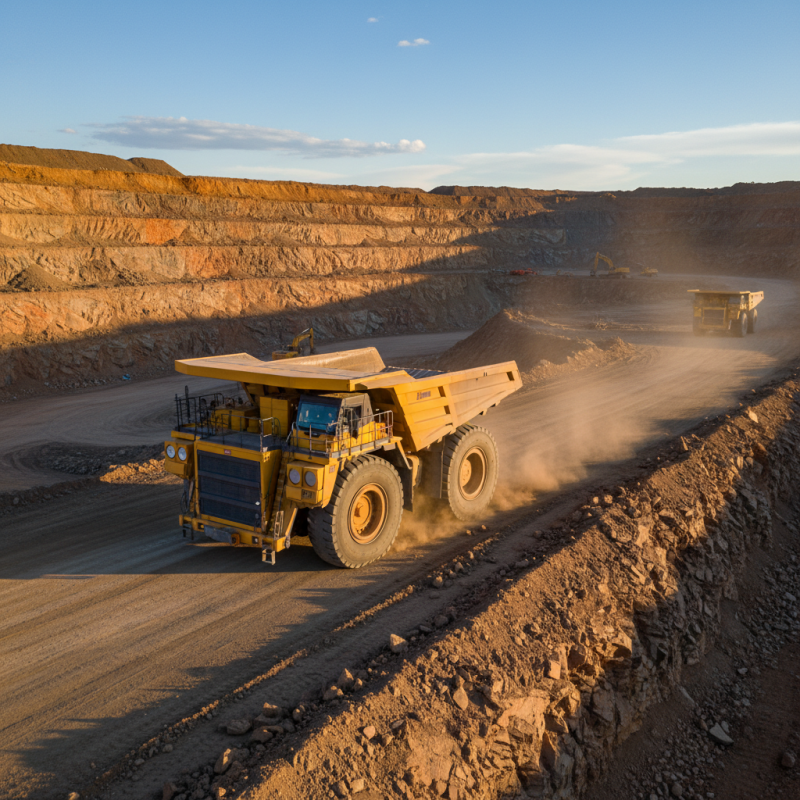
When selecting a giant mining truck, it's crucial to understand the various types available today. The industry offers rigid-frame, articulated, and electric models, among others. Rigid-frame trucks excel in stability and load capacity. They are often used in mining operations that require heavy hauling over distances. On the other hand, articulated trucks provide better maneuverability on uneven surfaces, which is essential in complex mining environments.
According to a report by the International Council on Mining and Metals, the choice of truck impacts operational efficiency by up to 30%.
Electric giant mining trucks are gaining attention for their environmental benefits. They emit fewer greenhouse gases and can significantly reduce fuel costs. However, a report from Mining Engineering suggests they currently face limitations in range and charging infrastructure. As operations move toward sustainability, understanding these trade-offs becomes vital.
A crucial factor to consider is payload capacity. A truck with too low a capacity can lead to increased trips, raising operational costs. Conversely, oversized trucks may be underutilized, wasting resources. Operators must analyze their specific mining conditions and choose a truck that aligns with their operational goals. Each mining site has its unique challenges; the perfect trucking solution varies greatly accordingly.
Key Specifications to Consider: Capacity, Power, and Weight Distribution
When selecting a giant mining truck, understanding key specifications is crucial. Capacity is one of the first factors to assess. A truck with a higher capacity can transport more material in one load. This efficiency can lead to reduced operational costs. However, a larger capacity may also mean increased weight. Balance is critical here.
Power is another essential specification. The powertrain needs to be robust enough to handle tough terrains. It should provide ample torque for steep inclines. Trucks with lower power may struggle, leading to delays. This is a vital aspect that could affect productivity significantly.
Weight distribution plays a key role in stability. Proper weight distribution ensures safety and efficiency during operations. An unbalanced truck could lead to accidents and equipment damage. Tips: Regularly assess the truck’s weight load. Make adjustments as necessary. This helps maintain safety. Also, always review the terrain before operation. Understanding the job site can guide you in choosing the right vehicle. The right balance of capacity, power, and weight distribution leads to enhanced operational success.
How to Choose the Right Giant Mining Truck for Your Operations? - Key Specifications to Consider
| Truck Model |
Capacity (tons) |
Engine Power (HP) |
Weight (tons) |
Weight Distribution (%) |
| Model A |
400 |
1200 |
200 |
30% |
| Model B |
600 |
1500 |
250 |
32% |
| Model C |
800 |
1800 |
300 |
35% |
| Model D |
1000 |
2000 |
350 |
34% |
Evaluating Operating Costs: Fuel Efficiency and Maintenance Factors
When selecting a giant mining truck, operating costs are crucial. Fuel efficiency plays a significant role in overall expenses. An efficient truck consumes less fuel over time, which translates into substantial savings. For operations with high demand, this can be a game-changer. Consider the truck's engine specifications. A powerful engine might seem appealing but could lead to higher fuel consumption.
Maintenance factors cannot be overlooked. Routine maintenance ensures long-term reliability. Trucks that require frequent repairs can drain budgets quickly. Check the ease of access to key components. Simple designs can reduce downtime during servicing. However, not all trucks are built with user-friendly maintenance in mind.
Evaluate the maintenance schedules provided by manufacturers. A truck that needs frequent service might be convenient at first but burdensome later. Look for those with longer intervals between services. Weigh these considerations against your operational goals. Balancing fuel efficiency and maintenance costs is not simple. Every decision should be backed by data and real-world performance metrics.
Evaluating Operating Costs of Giant Mining Trucks
Safety Features and Technologies in Modern Giant Mining Trucks
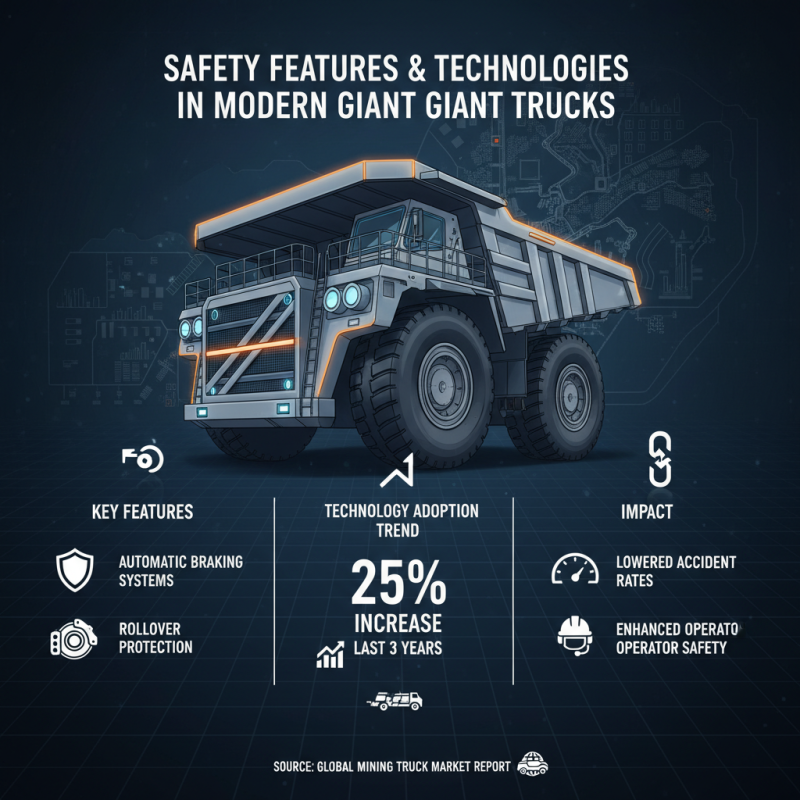
When selecting a giant mining truck, understanding the safety features is crucial. Modern mining trucks often incorporate advanced technologies. For instance, the Global Mining Truck Market report indicates that safety technology adoption has risen by 25% in the last three years. Features like automatic braking systems and rollover protection significantly lower accident rates.
One recent study found that trucks equipped with advanced collision avoidance systems reduced incidents by nearly 40%. These systems utilize sensors and cameras. They provide real-time data to operators, enhancing situational awareness. Additionally, ergonomic cabin designs improve operator comfort, which is vital for long shifts. Fatigue can compromise safety, so addressing comfort is essential.
Tips for selecting the right truck include assessing specific safety features. Look for models that offer comprehensive training programs for operators. Regular maintenance of safety tech is also crucial. Ensure your team is trained to use these systems effectively. Investing in trucks with superior safety features not only protects employees but also enhances operational efficiency.
Assessing Terrain and Application Needs for Optimal Truck Selection
When selecting a giant mining truck, terrain and application needs are crucial. Different operations require different capabilities. For instance, steep gradients demand trucks with powerful engines and advanced traction systems. Flat surfaces may allow for more versatile models, but load capacity still matters. Understanding your worksite and its unique challenges can guide your choice.
Soil type plays a significant role in truck performance. Soft, loose ground can hinder traction, causing potential delays. A truck suited for rugged terrain might struggle on flat, uneven surfaces. Knowing these nuances is essential. Operations that frequently shift between terrains should consider adaptable models. This flexibility can save time and reduce costs.
Assessing application needs is more than just weight limits. It's about evaluating the loading and unloading processes. Complex operations may require trucks with advanced dumping mechanisms. Regular feedback from operators can lead to insights on performance. These reflections can identify areas for improvement, enhancing operational efficiency over time. Proper evaluation ensures that your fleet meets both current and future demands.