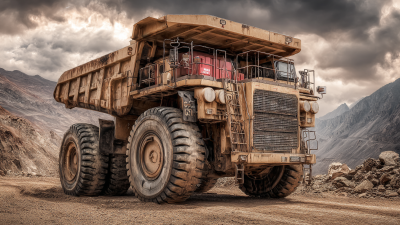
2026 Top Heavy Mining Truck Features and Buying Guide?
The heavy mining truck is an essential part of the mining industry. These trucks are designed for durability and efficiency, making them vital for transporting materials in harsh environments. In 2026, advancements in technology and design will greatly influence how these vehicles operate. Understanding the key features of heavy mining trucks can help buyers make informed decisions.
New models focus on fuel efficiency and enhanced payload capacity. Safety features continue to evolve, ensuring drivers and workers are protected. Many trucks now come equipped with advanced monitoring systems, providing real-time data on performance. Buyers should also consider maintenance requirements, as some trucks may be more costly to maintain.
However, the choice of a heavy mining truck isn't always straightforward. Careful evaluation of needs and site conditions is crucial. Not all available options will suit every mining operation. Prospective buyers must reflect on their requirements, ensuring they select a truck that truly meets their operational goals. This guide will explore the top features to consider while navigating the complex purchasing process, helping you make the right choice.
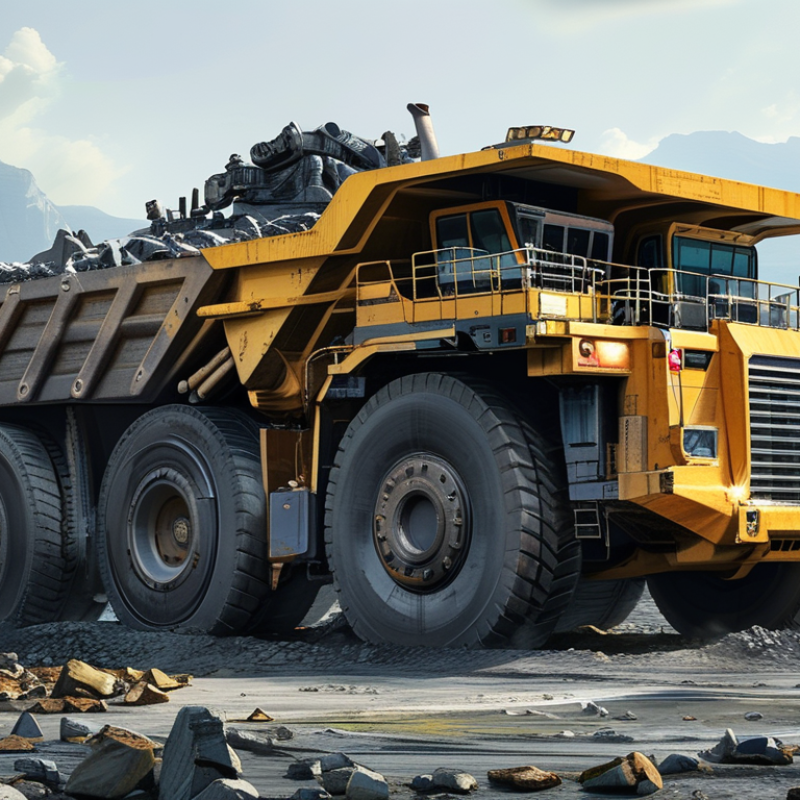
Top Features of 2026 Heavy Mining Trucks: An Overview
The 2026 heavy mining trucks are designed with advanced technology and features that enhance performance and efficiency. A standout aspect includes their powerful engines, which deliver superior torque and horsepower. This allows for better hauling capabilities, especially in challenging terrains. Additionally, these trucks are equipped with improved hydraulic systems for better load handling. Operators can experience smoother lifts and transitions, reducing wear and tear over time.
Safety is another key feature of these trucks. The inclusion of advanced braking systems helps prevent accidents, even in harsh conditions. Visibility is improved with larger windshields and strategically placed cameras. These trucks also focus on operator comfort. With adjustable seats and noise-reducing cabins, drivers can work longer without fatigue. However, potential buyers should be aware of the maintenance needs associated with these features. Regular service is essential to keep these advanced systems functioning properly.
While exploring the options in heavy mining trucks, it's important to consider various factors. The choice between power and fuel efficiency can be tricky. Some trucks might offer better short-term performance but may not be cost-effective in the long run. Evaluating these elements carefully will lead to a more informed decision. Emphasizing both technology and practical use will result in the best fit for specific mining operations.
Key Specifications to Consider When Buying Heavy Mining Trucks
When selecting a heavy mining truck, several key specifications should be at the forefront of your decision-making process. Payload capacity is critical. It impacts efficiency and productivity significantly. A truck with a higher payload can transport more material, minimizing trips and saving time. Look for trucks with a payload capacity that matches your operational needs.
Engine power and torque should also be considered. A powerful engine allows the truck to handle steep terrains with ease. It is essential for maintaining speed and stability under heavy loads. Width and turning radius play vital roles in maneuvering the truck in tight spaces. Ensure the truck's dimensions align with your mine layout to avoid operational inefficiencies.
Furthermore, fuel efficiency is a growing concern. As fuel prices fluctuate, the operational cost per hour can vary widely based on truck fuel consumption. Investing in a more fuel-efficient model could lead to significant savings over time. Some models might offer advanced technologies that improve efficiency but could come with a higher upfront cost. Evaluating this cost-benefit relationship is crucial.
2026 Top Heavy Mining Truck Features and Buying Guide
| Feature |
Specification |
| Payload Capacity |
100-400 tons |
| Engine Power |
1,000-2,500 HP |
| Fuel Type |
Diesel / Electric |
| Transmission Type |
Automatic / Manual |
| Max Speed |
40-70 km/h |
| Turning Radius |
6-12 m |
| Braking System |
Hydraulic / Pneumatic |
| Tire Size |
30.5 R 25 |
| Operating Weight |
200-500 tons |
| Cabin Features |
Air Conditioning, Ergonomic Controls, Visibility Enhancements |
Comparison of Leading Brands in the Heavy Mining Truck Market
The heavy mining truck market is evolving rapidly. Several leading brands dominate this space. These brands focus on efficiency, durability, and advanced technology. Reports indicate that the global heavy mining truck market is projected to grow at a CAGR of 5.2% from 2021 to 2026. This growth is driven by increased mining operations worldwide.
When comparing different brands, key features become evident. Many trucks now include autonomous operation capabilities. This enhances safety and productivity on mining sites. A report from Market Research Future highlights that payload capacity is a crucial factor when choosing a truck. Many newer models boast a payload capacity exceeding 400 tons. However, not all trucks perform equally under various mining conditions. Buyers must carefully consider their specific needs before making decisions.
Additionally, fuel efficiency is an essential criterion. With rising fuel costs, choosing a truck that consumes less fuel can lead to significant savings. Some models claim up to 20% better fuel efficiency compared to older versions. However, this may not hold true under all operational conditions, leading to concerns regarding real-world performance. Studying industry reports can help buyers identify which models have proven reliability and performance across diverse terrains.
Industry Trends Influencing Heavy Mining Truck Design in 2026
In 2026, the heavy mining truck industry is poised for transformative changes. Data from a recent market analysis shows a projected growth rate of 4.6% in demand for heavy-duty vehicles, driven by increasing mineral extraction activities. Several industry trends are influencing truck design this year.
One notable trend is the push for automation. Mining companies are increasingly investing in autonomous trucks, which can operate without human drivers. According to a report by XYZ Research, autonomous trucks can reduce operational costs by up to 20%. This shift not only enhances efficiency but also improves worker safety in hazardous environments.
Additionally, the focus on sustainability is changing the way trucks are manufactured. Manufacturers are exploring electric and hybrid models, reflecting a commitment to reducing carbon footprints. A study revealed that electric mining trucks could cut emissions by up to 80% compared to their diesel counterparts. However, the transition poses challenges, such as the need for charging infrastructure in remote mining locations. As companies navigate these complexities, the evolution of heavy mining trucks continues to unfold.
Maintenance Considerations for Optimal Performance of Heavy Mining Trucks
Heavy mining trucks are vital for efficient operations in the mining industry. Regular maintenance is essential to ensure their performance remains at peak levels. According to a recent industry report, over 40% of maintenance issues arise from neglecting routine checks. Operators must prioritize inspections to avoid costly repairs.
Monitoring engine health is crucial. Regular oil changes and air filter replacements can extend engine life by up to 25%. Moreover, tire maintenance cannot be overlooked. Proper inflation and alignment can improve fuel efficiency by 5-10%. However, despite these benefits, many operators still ignore these basic maintenance tasks.
Wear and tear on key components also poses a challenge. Reports indicate that 30% of heavy truck failures are linked to hydraulic system malfunctions. Neglecting fluid levels can lead to major breakdowns. Operators should develop a comprehensive maintenance log, checking all systems regularly. This approach aids in identifying potential issues before they disrupt operations.