What is the Largest Mining Dump Truck Available Today?
The mining industry continues to evolve, with an increasing demand for efficiency and productivity. One of the critical components in achieving these goals is finding the Largest Mining Dump Truck available today. This equipment plays a crucial role in transporting materials from mining sites to processing facilities. According to industry reports from companies like MarketsandMarkets, the global mining truck market is projected to grow significantly, driven by production requirements.
Currently, the largest mining dump trucks can haul around 450 tons per load. The Caterpillar 797F is among the most notable, with a payload capacity that redefines the capabilities of heavy-duty mining. However, despite this advancement, the operational costs and environmental impacts pose ongoing challenges. Many mining companies face tough decisions while balancing efficiency and sustainability.
As the market for the Largest Mining Dump Truck continues to expand, manufacturers strive to innovate. Yet, ongoing technological advancements must address issues like fuel consumption and emissions. The future of mining trucks hinges not only on size but also on smart technology and sustainable practices. The path forward involves learning from current technologies, reflecting on the balance between productivity and ecological responsibility.
Overview of Mining Dump Trucks and Their Role in the Industry
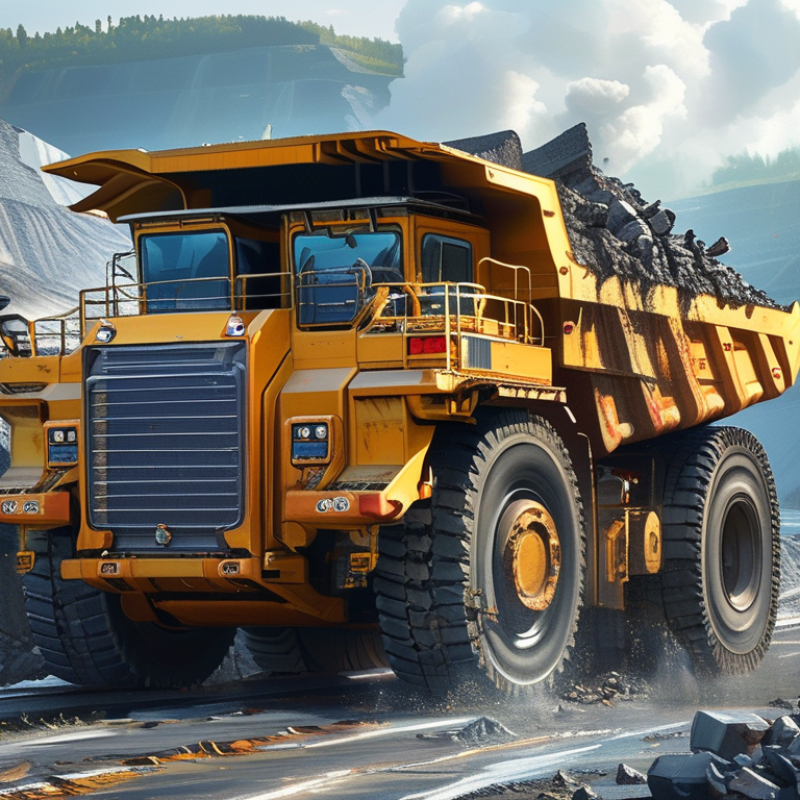
Mining dump trucks play a critical role in the extraction and transportation of materials in the mining industry. These massive vehicles are designed to haul large quantities of materials efficiently. They typically operate in harsh environments, enduring severe weather and rugged terrain. According to industry reports, the global mining truck market is expected to grow by approximately 5% annually, indicating an increasing demand for these vehicles.
Furthermore, mining dump trucks can carry payloads ranging from 100 tons to over 400 tons. The largest models are equipped with advanced technology, such as GPS and telematics systems. These technologies enhance operations by providing real-time data on truck performance and load management. Notably, a well-maintained mining truck can significantly reduce operational costs by improving fuel efficiency and minimizing downtime.
Despite advancements, challenges remain. Many operators struggle with the high maintenance costs associated with such heavy equipment. The complexity of these trucks also demands skilled operators, which can be a shortage in some regions. Addressing these concerns is essential for the continued success of mining operations globally. Investing in training and better maintenance strategies could lead to significant improvements in performance and longevity.
What is the Largest Mining Dump Truck Available Today?
| Model |
Payload Capacity (tons) |
Engine Power (HP) |
Length (mm) |
Width (mm) |
Height (mm) |
Max Speed (km/h) |
| Ultra Class Dump Truck |
400 |
2000 |
8000 |
4000 |
4000 |
64 |
| Heavy Duty Dump Truck |
360 |
1900 |
7500 |
3900 |
3800 |
65 |
| Large Mining Truck |
320 |
1700 |
7000 |
3700 |
3600 |
60 |
Technological Advancements in Large Mining Dump Trucks
Large mining dump trucks have evolved significantly due to technological advancements. These vehicles are increasingly capable of carrying massive loads while minimizing environmental impact. Innovations in materials and engineering have made trucks lighter and more durable. Newer models use advanced engine technology, improving fuel efficiency and reducing emissions.
Automation is another critical advancement in this field. Many of today's dump trucks feature autonomous driving capabilities. This technology enhances safety in hazardous mining environments. It allows operators to focus on strategic tasks rather than manual driving. However, reliance on automation raises questions about job security for skilled drivers.
Additionally, enhanced data analytics plays a crucial role in managing these trucks. Sensors collect real-time data, providing insights into performance and maintenance needs. This predictive maintenance can prevent breakdowns and extend the lifespan of the fleet. Still, the integration of technology requires ongoing training for operators to ensure they can adapt effectively. While advancements bring efficiency, they also impose challenges that require careful consideration.
Comparison of the Largest Mining Dump Trucks on the Market
When evaluating the largest mining dump trucks on the market, several competitors stand out. These massive machines can haul immense loads, significantly boosting productivity in mining operations. The largest dump trucks are capable of carrying 400 tons or more, with an impressive payload capacity. Data shows that trucks like these can reduce the number of trips required, optimizing time and resources on site.
Analyzing the features of these trucks reveals unique engineering advancements. Their engines produce over 3,000 horsepower, showcasing the power needed to transport heavy loads across rugged terrain. Additionally, tire technology has improved, with some tires now able to endure extreme weights and challenging environments. Reports indicate that tire wear is an ongoing challenge, impacting maintenance costs and operational efficiency.
Cost remains a critical factor in choosing these trucks. The initial investment is substantial, often exceeding $4 million. However, operational efficiency can lead to significant savings over time. This reality forces companies to adopt a careful analysis of potential ROI before making a decision. Each truck serves specific needs, and understanding these nuances is essential for effective decision-making in the mining industry.
Key Features and Specifications of the Largest Models
The largest mining dump trucks have revolutionized the industry with their impressive capacity and durability. One standout model today can carry a payload exceeding 450 tons. This extraordinary load capacity means fewer trips for transporting materials, enhancing overall efficiency on mining sites. Many models in this category feature a robust three-stage hydraulic lift system, allowing for quick unloading, even on uneven terrain.
Another key specification is engine power. Some of these trucks are equipped with engines generating over 4,000 horsepower. This immense power enables them to navigate steep gradients and harsh conditions typical of open-pit mining. Fuel capacity is also crucial; many trucks can hold up to 1,500 liters of diesel, extending operational time without frequent refueling.
Safety features are another significant concern. Many of these models incorporate advanced technologies, such as automated collision avoidance systems. However, the reliance on technology raises questions about potential failures during critical operations. Regular maintenance remains imperative to ensure all safety systems function correctly. With these attributes, the largest mining dump trucks enhance productivity, but continuous improvements and vigilance are vital to mitigate risks.
Comparison of Key Features of the Largest Mining Dump Trucks
Future Trends in Mining Dump Truck Development and Innovations
The mining dump truck industry is rapidly evolving. Innovations in technology are reshaping truck design and functionality. Autonomous driving capabilities are becoming more common. These vehicles can reduce the risk of accidents and increase efficiency. They navigate challenging terrains without human intervention, which is a significant advancement.
Sustainability is another critical trend. Manufacturers are exploring eco-friendly alternatives. Electric dump trucks may soon emerge, offering lower emissions and quieter operations. However, the transition to electric poses challenges. Battery technology still needs improvement, especially in heavy-duty applications. There’s a need for robust solutions to support increased payloads and range.
Safety features are a growing focus as well. Advanced monitoring systems can detect potential hazards and alert operators. This is crucial in preventing accidents and ensuring worker safety. The road ahead has many uncertainties. Balancing innovation with practicality is vital. The industry must continuously adapt to meet both technological and environmental demands.