How to Choose the Best Big Mining Dump Truck for Your Needs?
Choosing the right Big Mining Dump Truck can significantly impact operational efficiency and cost-effectiveness. According to a 2022 report by the Global Mining Equipment Market Analysis, demand for large dump trucks has surged by 35% over the past five years. This uptick underscores the importance of making informed choices based on specific needs.
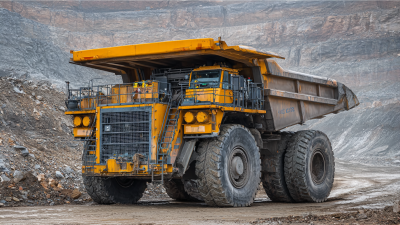
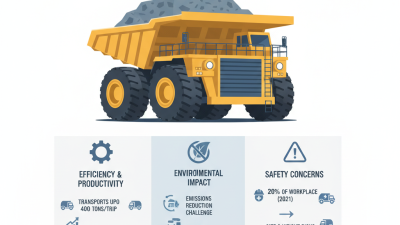
Big Mining Dump Trucks offer enormous payload capacities, often exceeding 400 tons. This capability can enhance productivity, but selecting the wrong model may lead to inefficiencies. Various factors, such as engine type, tire size, and maintenance requirements, should be assessed carefully. A flawed choice can result in increased operational costs and downtime, undermining project goals.
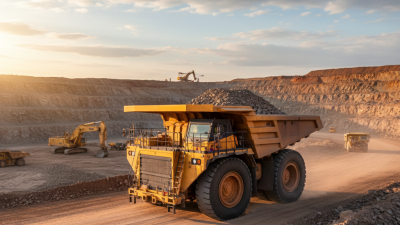
Understanding the different models and their suitability for diverse mining environments is crucial. Some machines may excel in rugged terrains, while others might perform better in soft soils. By aligning truck features with site conditions, operators can ensure optimal performance. In a competitive industry, such strategic choices can define success or failure.
Understanding the Different Types of Big Mining Dump Trucks
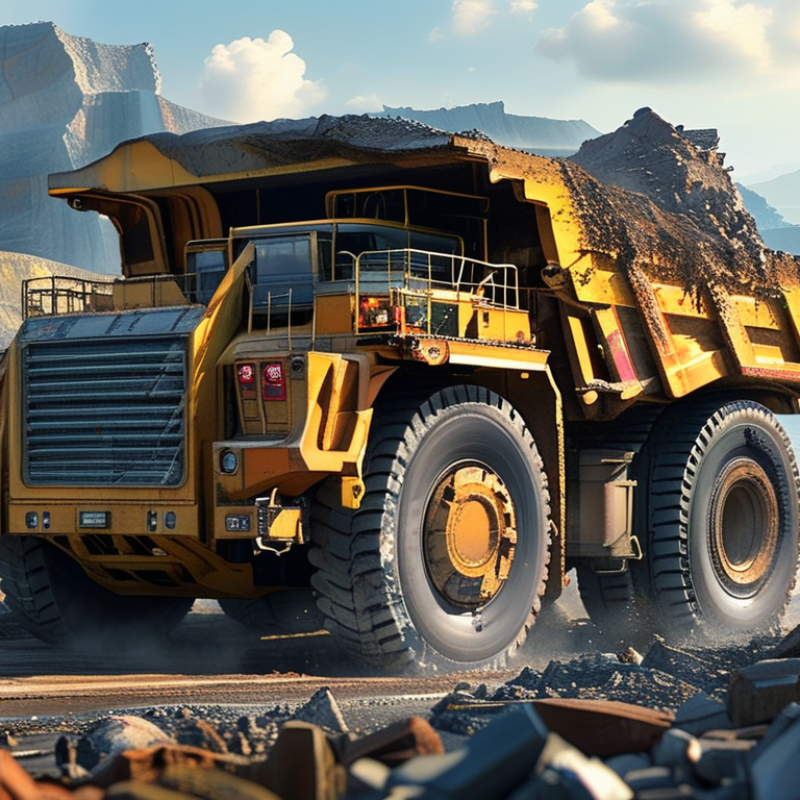
When selecting a big mining dump truck, understanding the different types is essential. There are primarily two categories: rigid dump trucks and articulated dump trucks. Rigid dump trucks feature a fixed chassis, providing stability and high load capacity. They work well on smooth terrain, making them ideal for larger mines. On the other hand, articulated dump trucks have a hinge between the cab and the bed. This design allows them to navigate rough terrains more easily, although they typically carry smaller loads.
Another consideration is payload capacity. Some dump trucks can carry over 400 tons, while others are limited to much less. The right choice depends on your project's scale. Think about the terrain, too. Steep slopes or uneven ground may require a more agile truck. Availability of parts and service is also crucial for operational reliability. Trucks with complex systems can lead to extended downtime if repairs are needed.
It's also important to note the operator's experience. A highly skilled operator can maximize the efficiency of a dump truck, regardless of type. However, inexperienced operators may struggle with complex machinery. Training programs can enhance skills but require investment. Reflecting on these factors can lead to a more informed decision. Balancing capacity, terrain adaptability, and operator expertise is key. Each choice has its pros and cons. So, take the time to weigh them against your specific needs.
Key Factors to Consider When Choosing a Dump Truck
When selecting a big mining dump truck, several key factors warrant your attention. The truck's payload capacity is crucial. You need to know the weight of the materials you commonly transport. A truck with a too-small capacity leads to inefficiencies. Keep in mind that larger trucks can be more challenging to maneuver, especially in tight spaces.
Another important factor is fuel efficiency. Mining operations can be costly, and fuel is a significant expense. A truck that consumes less fuel over time can save your operation money. Evaluate the truck's engine type and emissions standards as well. Compliance with environmental regulations is becoming stricter in many regions.
Don't overlook the truck's maintenance requirements. Some trucks require specialized tools or training for repairs. This can impact your downtime and operational costs. Consider the availability of parts and service in your area. A reliable supply chain can make a significant difference in keeping your truck operational. Get input from experienced operators to better understand real-world performance and reliability.
Evaluating Payload Capacity and Performance Requirements
When evaluating payload capacity and performance requirements for big mining dump trucks, consider the specifics of your operation. Each mining site has unique needs based on terrain, material types, and transportation distances. Reports indicate that most large dump trucks offer payload capacities ranging from 40 tons to over 400 tons. It's crucial to choose a truck that can handle your maximum load efficiently, as overload can lead to decreased performance and premature wear.
Tip: Analyze your daily production needs. If your site regularly requires high payloads, consider trucks on the upper end of the capacity range. Remember, a too-large truck can lead to empty runs, impacting fuel efficiency.
Additionally, performance metrics such as engine power, torque, and fuel consumption significantly affect operational efficiency. According to industry studies, truck models with higher power-to-weight ratios often show better uphill performance. However, this might also mean higher fuel consumption, leading to increased operational costs. Assess your site conditions and select a balance that optimizes both power and economy.
Tip: Keep an eye on maintenance frequency. Frequent repairs can indicate a mismatch between the truck’s capabilities and your operational demands. Investing in proper maintenance can prolong the life of your truck and ensure its consistent performance.
Comparison of Payload Capacity and Performance of Big Mining Dump Trucks
Assessing Safety Features and Technology in Dump Trucks
When choosing a big mining dump truck, safety features and technology should be top priorities. Advanced safety systems are essential for protecting operators and minimizing accidents. Look for trucks equipped with stability control. This could help prevent rollovers on uneven terrain. Additionally, trucks with automatic braking systems can significantly reduce collision risks.
Technology plays a vital role in enhancing safety. Many modern dump trucks offer real-time monitoring systems. These systems provide crucial data on load weight and truck location. By utilizing sensors and GPS, operators gain valuable insights into the truck's performance. This information can prevent overload, which may lead to accidents.
Don't overlook aspects such as visibility and operator comfort. Large mirrors and camera systems enhance the driver’s field of vision. If visibility is compromised, it can lead to dangerous situations. Furthermore, ergonomic designs reduce fatigue, allowing operators to maintain focus. Incomplete safety assessments may lead to poor decision-making. It’s crucial to consider these factors in your selection process.
Budgeting for Purchase and Maintenance Costs of Dump Trucks
When selecting a big mining dump truck, budgeting for purchase and maintenance is crucial. Industry reports suggest that initial costs for heavy-duty dump trucks can range from $300,000 to over $1 million, depending on size and specifications. It’s essential to assess your specific needs, as investing in a truck that isn’t fit for purpose can lead to wasted resources.
Maintenance expenses also require attention. According to data from construction and mining associations, maintenance can consume about 10–20% of the total ownership costs annually. This includes factors like regular servicing, parts replacement, and unscheduled repairs. A lack of regular maintenance can lead to severe inefficiencies and unplanned downtime, impacting productivity and overall profitability.
Additionally, operators should consider fuel efficiency as a factor in their budgeting. Some models may have a higher upfront cost but yield lower operational costs in the long run. However, achieving optimal performance often depends on the operational environment and the type of load carried. Reflecting on these elements ensures you make an informed decision that balances initial expenses with ongoing operational effectiveness.