How to Choose the Best Electric Haul Trucks for Your Needs?
Choosing the right electric haul trucks is crucial for operational efficiency. As industry expert John Anderson, CEO of GreenTech Transport, emphasizes, "Selecting the best electric haul trucks can greatly enhance productivity and reduce emissions." His insights reflect a growing trend in sustainable mining and construction.
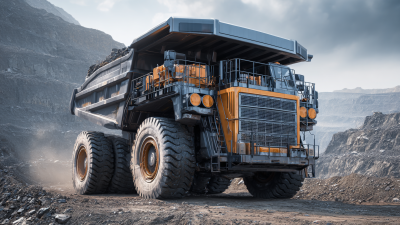
Electric haul trucks come with various features that cater to different needs. Not every model fits every operation. You must assess your specific requirements. For instance, consider the payload capacity and range. Smaller operations may not need the massive capacities of larger trucks. Assessing these needs will help you avoid costly mistakes.
Furthermore, the transition to electric haul trucks poses challenges. Existing infrastructure may not support these vehicles yet. Operators must weigh the benefits against potential obstacles. Making the right choice can lead to long-term savings and environmental benefits. Reflecting on these factors ensures you choose wisely.

Key Factors to Consider in Electric Haul Truck Selection
When selecting electric haul trucks, several key factors must be considered. First, the truck's payload capacity is crucial. A report from the International Council on Clean Transportation (ICCT) indicates that electric trucks can handle up to 20% more load compared to traditional diesel models. Greater capacity equals fewer trips, enhancing efficiency.
Battery range also matters significantly. Many electric haul trucks offer a range between 100-200 miles on a single charge. Depending on operational demands, a shorter range might necessitate more frequent charging, leading to potential downtime. Understanding the specific range needed for your operations is essential.
Additionally, consider the total cost of ownership. A study by the Rocky Mountain Institute shows that electric trucks may offer a 20% lower lifetime cost due to lower maintenance and fuel savings. However, initial purchase prices may be higher. Reflecting on your budget, along with long-term operational goals, helps in making informed decisions. Evaluate these factors carefully to determine the best fit for your unique needs.
Understanding Different Types of Electric Haul Trucks Available
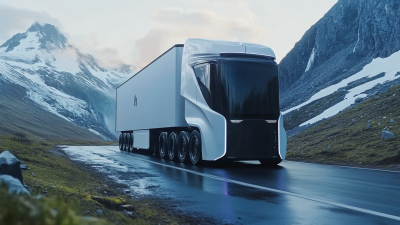
When selecting electric haul trucks, understanding the types available is crucial. Various models serve different industries and applications. Battery electric trucks are popular for short-haul operations due to their lower emission rates and operational costs. A report by the International Council on Clean Transportation suggests that battery electric trucks can reduce lifecycle greenhouse gas emissions by up to 60% compared to traditional diesel trucks. This data highlights their potential in promoting sustainability.
Another category is fuel cell electric vehicles, which are suited for longer hauls. They offer greater range and faster refueling times. However, the infrastructure for hydrogen refueling remains limited. A study from the U.S. Department of Energy indicates that while fuel cells present a promising alternative, the upfront costs can deter some businesses. Companies must evaluate their operational needs to determine the best fit.
It’s also vital to consider payload capacity and charging infrastructure. The right choice depends on how these trucks will be used in daily operations. As technology evolves, newer models may outperform current standards. Organizations might find themselves needing to reassess their choices regularly.
Assessing Your Operational Requirements for Electric Haul Trucks
When considering electric haul trucks, it's crucial to evaluate your operational needs carefully. Different industries may require distinct features and capabilities from their electric trucks. Factors such as load capacity, terrain type, and typical distances covered are vital. Understanding your specific requirements helps refine the selection process significantly.
Tips: Analyze your average load weight and frequency. This data can highlight the need for a more powerful model or allow for a lighter option. Additionally, consider the operational environment. If your site includes steep hills or rough terrains, you may need trucks with enhanced torque capabilities. Reflecting on these aspects can lead to a better match.
Furthermore, take note of the charging infrastructure available at your site. Some electric trucks need specific charging setups. Inadequate charging options can severely disrupt operations. It's essential to assess how often and how quickly the trucks need to recharge. Make sure that your electricity supply can handle the demands. A mismatch in energy input could lead to significant downtime, making it critical to plan ahead.
Evaluating Cost and Economic Efficiency of Electric Haul Trucks
When evaluating the cost and economic efficiency of electric haul trucks, several factors come into play. Initial purchase price is crucial. Electric trucks can be more expensive upfront than traditional models. However, this cost can be offset over time. Lower operating and maintenance costs can lead to significant savings. Electricity is typically cheaper than diesel fuel. This creates a more favorable long-term financial outlook.
Consider the longevity and durability of the electric vehicle. Longevity can reduce the frequency of replacement. Extended warranties can further enhance reliability, ensuring your investment is protected. However, battery degradation over time must be taken into account. This affects performance and eventual replacement costs.
Analyzing the total cost of ownership is vital. Include operational efficiency, potential downtime, and resale values in your calculations. An ideal choice balances upfront costs with long-term savings. Look not just at price but at functionality and reliability. Each operation is unique, so what works for one may not work for another. Thus, a thorough assessment of needs is essential.
Electric Haul Trucks Cost and Economic Efficiency Comparison
Comparing Performance and Specifications of Leading Electric Haul Truck Models
When selecting an electric haul truck, key performance metrics are critical. Battery capacity directly impacts operational efficiency. For example, models with over 600 kWh can significantly enhance productivity by extending runtime. A solid charging time, ideally under five hours, is essential. This affects overall site operations.
Furthermore, stability in load capacity matters. Leading models can often handle payloads between 50 and 100 tons. A truck that struggles under heavy loads might lead to operational issues. Reports from industry analysts indicate that improper load management can decrease performance by up to 20%.
Additionally, consider the terrain where the trucks will operate. Off-road capabilities are vital for mining or construction sites. A model with robust traction control systems will manage steep inclines more effectively. However, not all electric trucks excel in rugged environments, which requires careful evaluation. Users should weigh these factors against their specific needs to make informed decisions.