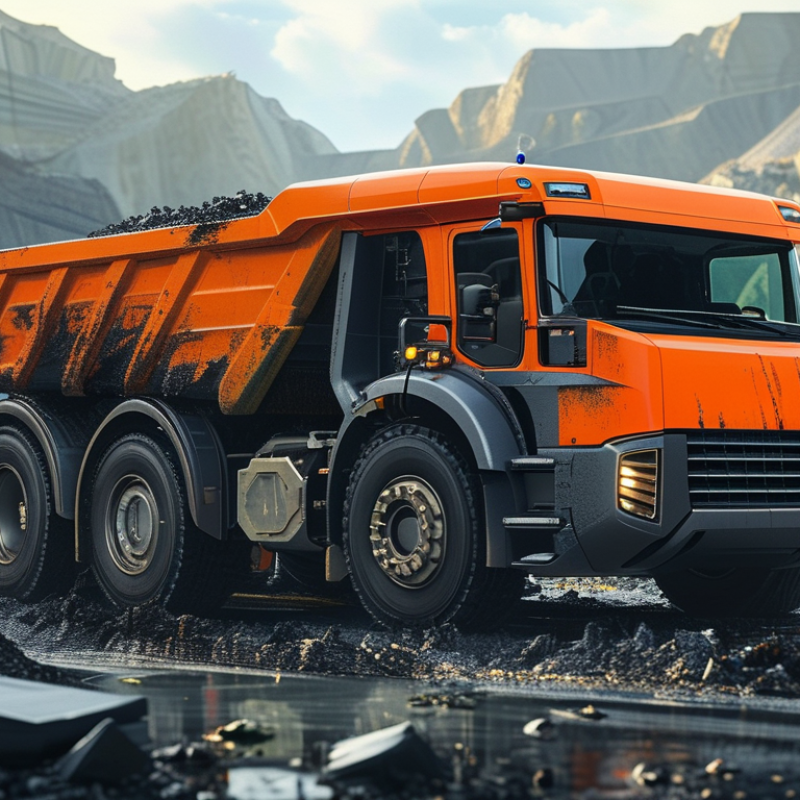
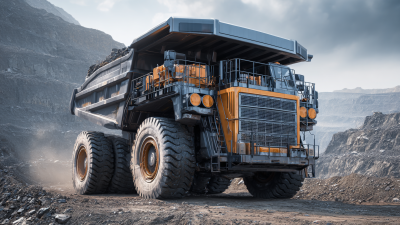
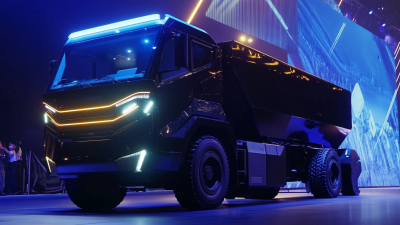
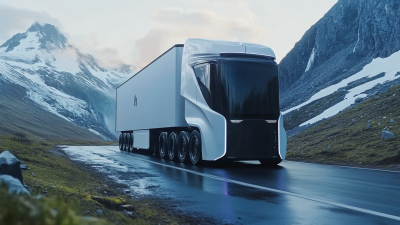
What is an Electric Haul Truck and How Does It Work?
Electric Haul Trucks are revolutionizing the mining and construction industries. These vehicles offer an eco-friendly alternative to traditional diesel-powered trucks. As John Smith, a leading expert in electric vehicle technology, states, "The shift to Electric Haul Trucks is not just about efficiency; it's about sustainability."
The design and function of Electric Haul Trucks are both innovative and practical. They utilize powerful electric motors, which provide higher torque and less noise. This technology significantly reduces greenhouse gas emissions. However, challenges remain, such as battery life and charging infrastructure.
Despite the progress, questions linger. How can the industry address battery recycling and energy sources? While Electric Haul Trucks show promise, ongoing improvements and discussions are critical. These trucks present an exciting future for efficient and sustainable operations in tough terrains.
What Defines an Electric Haul Truck?
Electric haul trucks are revolutionizing the materials transport sector. These trucks are defined by their large electric drivetrains, which replace traditional diesel engines. According to a 2023 report by the International Council on Mining and Metals (ICMM), electric haul trucks can reduce greenhouse gas emissions by up to 50% compared to their diesel counterparts. This capability aligns with global sustainability efforts.
These vehicles are equipped with massive batteries, allowing them to operate longer without recharging. However, charging infrastructure remains a challenge in some mining areas. Industry experts note that the electricity source for these trucks can significantly impact their environmental benefits. If powered by fossil fuels, the sustainability advantage may diminish.
Further studies show that electric haul trucks can improve operational efficiency. They often have lower maintenance costs compared to diesel trucks. Yet, the initial investment can be high. Firms may hesitate to transition fully due to costs and technology adaptation. Data from mining industry reports indicate that companies must weigh these factors carefully to obtain long-term benefits.
Key Components of Electric Haul Trucks
Electric haul trucks are
revolutionizing the mining and
construction industries. Their key components
play a vital role in how they operate efficiently. One crucial element is the
electric drive system.
This system powers the truck with electric motors, offering high torque and reducing
emissions. In contrast to traditional diesel engines, these motors provide
smoother acceleration and deceleration.
Batteries are another essential component. They store energy and allow for the
efficient operation of the electric haul truck. Modern lithium-ion batteries offer
longer life spans and
faster charging times.
However, maintenance can be a concern. Regular checks on the battery health can help
optimize performance and prevent unexpected downtimes.
Tip: Always monitor
battery levels closely. This practice can prolong battery life and enhance operational
reliability.
Additionally, the brake system in electric haul trucks is designed for
regenerative braking. This feature
captures energy during braking, recharging the batteries. While this system improves
efficiency, it requires careful handling to avoid wear and tear. Operators should
be trained to understand the specific dynamics of these brakes.
Another consideration is the overall
weight distribution of the truck.
Proper load management is imperative to ensure stability. If not addressed, uneven
loads can lead to accidents and increased maintenance costs.
Tip: Keep weight balanced
and within limits for optimal safety.
How Electric Haul Trucks Operate: A Technical Overview
Electric haul trucks are reshaping the mining and construction industries. These massive vehicles utilize electric power instead of conventional diesel engines. This transition reduces carbon emissions and operating costs. Their impressive size can carry loads exceeding 300 tons. The design aims to maximize efficiency and minimize environmental impact.
Electric haul trucks operate with advanced battery systems. These batteries are designed for quick charging and long durations. Regenerative braking systems help recharge these batteries during operation. This mechanism recovers energy, increasing overall effectiveness. The quiet operation of electric trucks also enhances workplace safety. Workers can communicate more easily without loud engine noise.
However, challenges remain. The initial investment in electric haul trucks is significant. Not all operators have access to the necessary charging infrastructure. Additionally, battery technology continues to evolve, which raises questions about long-term reliability. As the industry adapts, continuous refinement of these systems is essential for widespread adoption. There is a learning curve for operators transitioning from diesel to electric systems. Keeping up-to-date with innovations will be crucial for success.
Benefits of Using Electric Haul Trucks in Mining Operations
Electric haul trucks are transforming mining operations. These trucks are powered by electricity instead of conventional fuels. This shift brings several benefits that address both efficiency and sustainability.
One major advantage is reduced emissions. Electric haul trucks produce lower carbon footprints. This helps mining companies comply with environmental regulations. Additionally, they often require less maintenance. Fewer moving parts lead to longer lifespans and fewer breakdowns. Reliable performance can improve overall productivity.
Cost savings are another significant factor. While the initial investment can be higher, electricity is generally cheaper than diesel fuel. Operators can experience lower operational costs over time. A smart strategy might involve gradually integrating electric trucks into existing fleets. This step allows for careful monitoring of performance and costs.
Tip: Regularly train staff on the new technology. Understanding how to operate and maintain electric haul trucks efficiently can maximize their benefits.
Adopting electric haul trucks also poses challenges. There may be limitations on charging infrastructure. Some mining sites may require additional investment for charging stations. Thorough assessments can help address these logistical concerns. With thoughtful planning, these hurdles can be overcome effectively.
Challenges and Future of Electric Haul Truck Technology
Electric haul trucks are gaining traction in the mining and construction industries. However, there are significant challenges in their adoption. One major hurdle is the initial investment cost. Electric trucks are typically more expensive than their diesel counterparts. This puts pressure on companies to evaluate long-term benefits against immediate expenses.
Battery technology presents another challenge. Current batteries struggle with range limitations. Heavy loads can further diminish battery life. As a result, electricity supply infrastructure needs to be improved in many sites. Charging stations are often inadequate. This creates downtime for trucks that need to recharge, impacting overall productivity.
Moreover, the maintenance of electric haul trucks can be intricate. They require specialized knowledge and training. Many technicians are still accustomed to conventional systems. Therefore, the industry must invest in training programs. Sustainable energy sources for charging also raise questions. Transitioning to renewable sources is essential but complex. The industry must prioritize these advancements for a successful future.