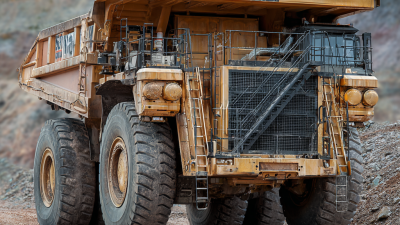
Why Choose Autonomous Mining Trucks for Efficient Operations?
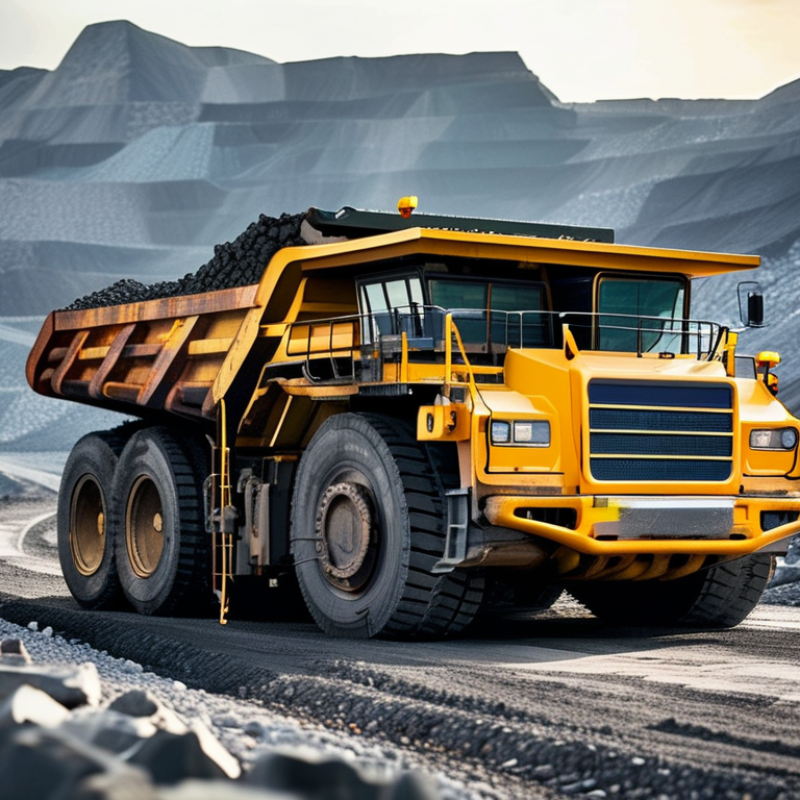
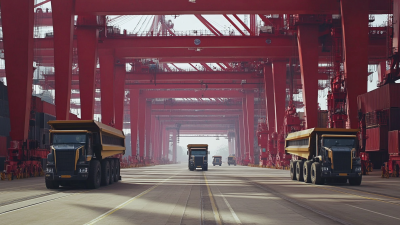
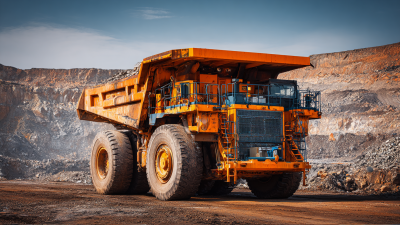
Autonomous Mining Trucks are changing the landscape of the mining industry. These vehicles promote efficiency and safety in operations. They minimize human error, making processes more reliable. This technological advancement brings numerous benefits.
With the rise of autonomous technology, mining companies are re-evaluating traditional methods. These trucks operate continuously, thus increasing productivity. They optimize routes and reduce fuel consumption, which leads to cost savings. However, the implementation requires careful planning.
Many companies face challenges while integrating Autonomous Mining Trucks. They need to consider the initial investment and ongoing maintenance. Training employees to work alongside these trucks is crucial. Despite the hurdles, the long-term advantages are significant, making this investment worth it.
Advantages of Autonomous Mining Trucks Over Traditional Trucks
Autonomous mining trucks represent a significant leap in operational efficiency within the mining industry. A study from the International Council on Mining and Metals revealed that these trucks can achieve up to 30% lower operational costs compared to traditional methods. This reduction stems from enhanced fuel efficiency and fewer maintenance requirements. In addition, data from industry experts suggest increased productivity, with autonomous systems operating 24/7 without fatigue.
The technology behind autonomous trucks is advancing rapidly. Sensor systems and AI algorithms allow for real-time data processing and decision-making. For example, vehicles can adjust speed and routes based on changing terrain or weather conditions. Reports indicate that mines using autonomous trucks see a reduction in incident rates by as much as 50%. This leads to safer working environments and fewer disruptions. However, challenges remain. Transitioning to this technology requires significant investment and training.
Looking ahead, the industry faces a crucial question: how to balance automation with skilled human oversight. While autonomous trucks offer impressive gains, human expertise remains vital for complex decision-making. Encouragingly, many industry leaders are exploring hybrid models that combine both systems' strengths. This dynamic indicates a need for continual reflection on how best to integrate new technologies while maintaining operational integrity.
Key Technologies Driving Autonomous Mining Truck Efficiency
Autonomous mining trucks are transforming the efficiency of operations in the mining sector. The key technologies driving this transformation include advanced sensors, artificial intelligence (AI), and real-time data analytics. These tools enable the trucks to navigate complex terrains and optimize routes, reducing fuel consumption by up to 25%. According to a report by the International Mining Association, adopting autonomous technology can lead to significant productivity gains, sometimes exceeding 30% in specific deployments.
One of the standout features of autonomous trucks is their ability to operate continuously without human intervention. This capability allows for 24/7 operations, increasing overall throughput. However, the integration of such technologies poses challenges. For instance, the initial investment can be substantial, with some estimates indicating costs as high as $2 million per unit. This raises questions about the return on investment and the long-term financial feasibility for smaller mining companies.
Safety is another critical factor. Autonomous trucks minimize the risks associated with human error. Yet, there are concerns about potential system failures or cyber threats. A study by the Mining Safety Council highlighted that while autonomous systems reduce accidents by about 50%, they still require rigorous maintenance and oversight. The focus should remain on balancing innovation with safety. As the technology evolves, it is essential to continuously evaluate its impact on both efficiency and operational integrity.
Impact of Autonomous Trucks on Operational Safety in Mining
The introduction of autonomous mining trucks has transformed operational safety in the mining sector. These trucks can operate around the clock, reducing human fatigue and minimizing the risk of accidents. With their ability to navigate complex terrains, they are designed to limit human exposure to hazardous environments. This enhanced safety feature addresses a significant concern in mining operations.
Despite the advantages, the implementation of autonomous trucks is not without challenges. For instance, there have been instances of system failures that require immediate human intervention. Operators need meticulous training to interpret data and respond to unforeseen anomalies. This complexity raises questions about human oversight in the automation process. A balance between technology and human expertise is crucial for optimal safety.
Moreover, as mining companies transition to autonomous systems, there can be an initial increase in workplace injuries. This can stem from workers adapting to new technologies and workflows. It highlights the need for comprehensive safety protocols and employee training. Companies must continuously monitor these changes and refine their strategies. Overall, while autonomous trucks present clear safety benefits, the path to full integration necessitates careful consideration and ongoing evaluation.
Economic Benefits of Implementing Autonomous Mining Solutions
The implementation of autonomous mining trucks offers substantial economic benefits for mining operations. According to a report by the International Council on Mining and Metals, companies utilizing autonomous solutions can achieve a productivity increase of up to 30%. This is attributed to the trucks' ability to operate continuously without breaks, which results in consistent output levels. With optimal routes calculated through advanced algorithms, these trucks minimize fuel consumption and reduce operational costs.
Research from the Mining Industry Circle shows that maintenance costs can drop by 15% when deploying autonomous trucks. This reduction is largely due to the improved predictive maintenance capabilities enabled by real-time data analysis. However, transitioning to these advanced systems requires significant upfront investment in technology and training for the workforce. Some companies have reported initial resistance among employees, which highlights the need for effective change management strategies.
While the long-term benefits are clear, the implementation phase can reveal challenges. Companies often face integration issues with existing systems, which may lead to temporary disruptions. Monitoring and adjusting these systems requires constant attention and may stretch resources thin initially. Nevertheless, the positive trend in economic efficiency suggests that the long-term reward outweighs these short-term challenges.
Challenges and Considerations in Autonomous Mining Truck Adoption
The adoption of autonomous mining trucks brings significant promise, but it is not without its challenges. One major consideration is the substantial initial investment required. Reports from industry analysts show that deploying these vehicles can cost mining companies between $3 million and $5 million per truck. This raises questions about the return on investment, especially in volatile market conditions.
Another critical challenge is the integration of new technology with existing infrastructure. Many mining operations rely on traditional methods and equipment. Transitioning to autonomous systems may require extensive upgrades to operational processes. According to a recent study, nearly 30% of mining companies reported delays due to insufficient infrastructure compatibility. This indicates a pressing need for strategic planning before implementation.
There are also ongoing concerns about safety and regulatory compliance. Autonomous trucks must navigate complex mine environments. Any incidents could lead to costly downtime and safety investigations. Data from mining safety boards highlight that 12% of incidents are linked to technology failures in automation. Companies must address these risks extensively during their planning phases, ensuring comprehensive training and adherence to safety protocols.