How to Optimize Autonomous Haulage for Your Supply Chain?
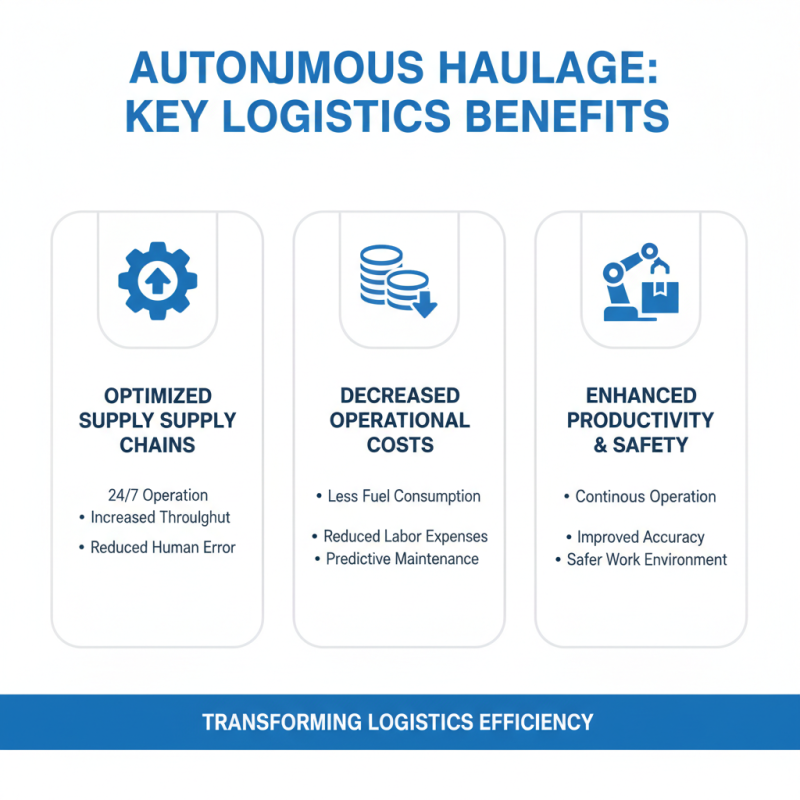
In today's fast-paced logistics environment, optimizing Autonomous Haulage is crucial for enhancing supply chain efficiency. Companies face significant challenges when integrating autonomous systems into their operations. The benefits are clear: reduced operational costs and increased safety. Yet, many businesses struggle to implement these technologies effectively.
Autonomous Haulage systems rely on advanced algorithms and real-time data processing. These elements improve decision-making and streamline transportation. However, the transition to fully autonomous systems can be complex. Organizations often lack the necessary technical expertise. Additionally, reliance on technology can lead to unforeseen vulnerabilities.
To truly unlock the potential of Autonomous Haulage, companies must invest in training and continuous learning. Monitoring systems should be regularly assessed for efficiency. Emphasizing collaboration among teams can enhance operations. The road to optimization is filled with challenges and learning opportunities. Embracing flexibility and innovation is vital for success in this evolving field.
Understanding Autonomous Haulage Systems in Supply Chains
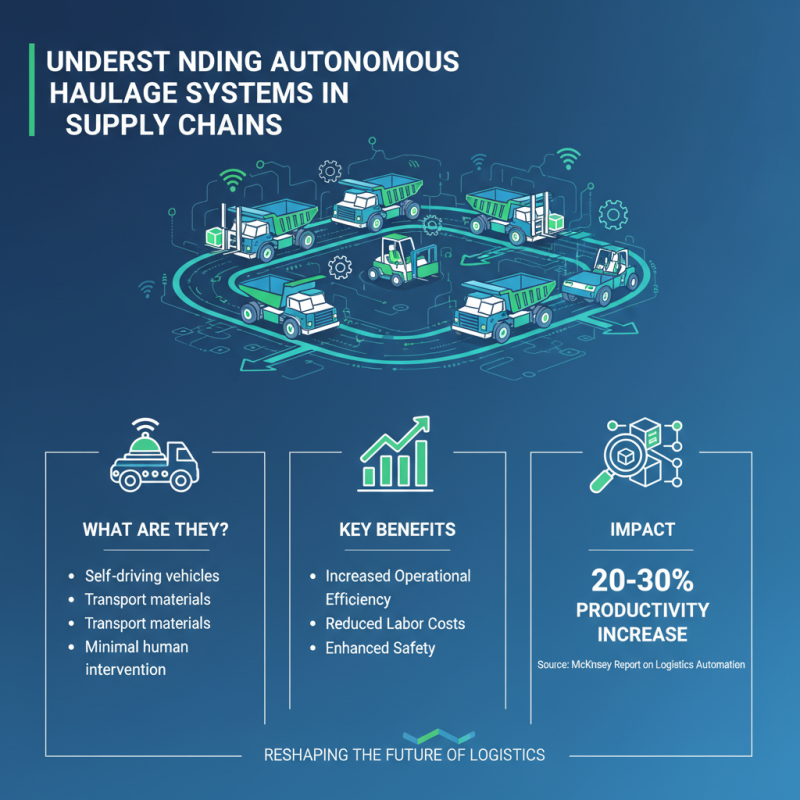
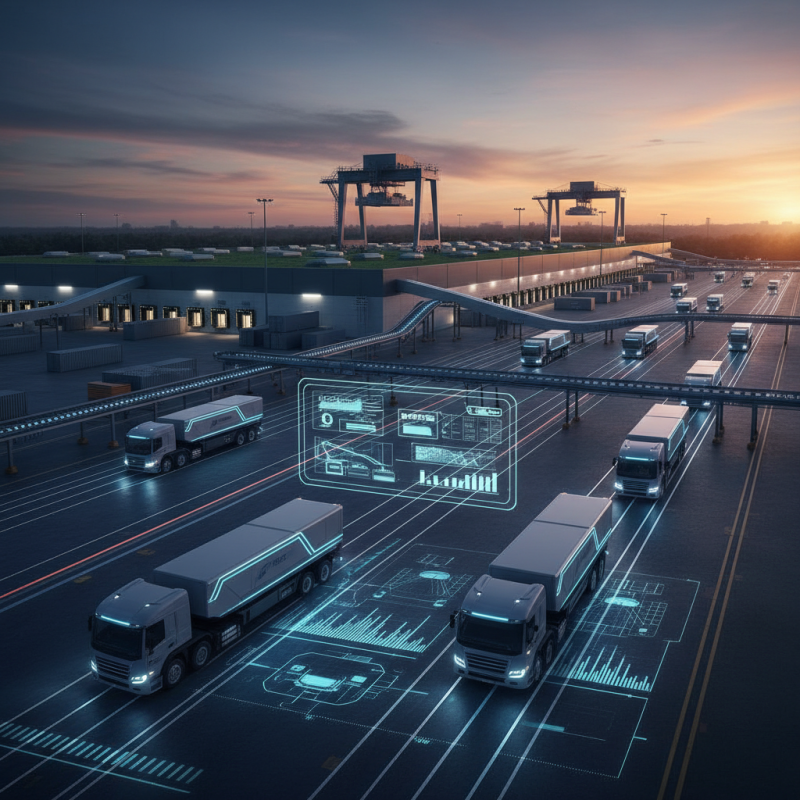
Autonomous haulage systems (AHS) are reshaping supply chains. These systems use self-driving vehicles to transport materials with minimal human intervention. AHS can increase operational efficiency and reduce labor costs. According to a report from McKinsey, organizations that implement automation in logistics can achieve a productivity increase of 20 to 30 percent.
However, the technology is not without challenges. Integration of AHS into existing infrastructures can be complex. Data from the International Data Corporation highlights that about 50% of companies struggle with technology adoption in logistics. Ensuring safety and maintenance are critical factors that require significant attention.
Moreover, companies must consider the impact of autonomous systems on workforce dynamics. While AHS may reduce some jobs, new opportunities will arise in tech and maintenance roles. Adapting staff skills is essential for a smooth transition. Investing in training programs can enhance workforce readiness. Overall, the journey toward autonomous haulage necessitates careful planning and continuous evaluation.
Assessing Infrastructure Requirements for Autonomous Haulage Integration
Integrating autonomous haulage into your supply chain requires careful assessment of infrastructure needs. The existing landscape must support the new technologies. Start by evaluating your current fleet and the paths they take. These routes should be optimized for the safe movement of autonomous vehicles. A clear understanding of load specifications is also crucial. Every load demands specific handling capabilities, which should guide your infrastructure planning.
Consider the physical environment. Space for vehicles to maneuver safely is essential. You might need to widen paths or create designated zones for autonomous systems. Communication systems must be reliable. Automated vehicles rely on real-time data to function efficiently. Therefore, investment in high-quality sensors and communication networks will pay off.
Training personnel is often overlooked. Workers need to understand how to interact with autonomous systems. Addressing potential integration issues early on will help avoid future complications. This focus on infrastructure and human factors can lead to a smoother transition to autonomous haulage. Embracing the complexity of this integration is key to future success in supply chain management.
Autonomous Haulage Efficiency by Infrastructure Type
Implementing Technology Solutions for Optimal Haulage Performance
Implementing technology solutions can significantly enhance the performance of autonomous haulage in supply chains. By leveraging advanced tools, businesses optimize their operations, reduce costs, and improve efficiency. Data analytics plays a critical role here. Gathering and analyzing traffic patterns and equipment performance can identify areas for improvement.
Tips: Regularly monitor equipment metrics. Identifying anomalies can prevent costly downtime. Integrate sensors to capture real-time data. This approach enables proactive maintenance and reduces unexpected failures.
Another critical component is software integration. Choosing user-friendly platforms ensures seamless communication between different systems. This harmony helps in scheduling, routing, and resource allocation. Yet, relying solely on technology can be a pitfall. Human oversight remains essential for troubleshooting and decision-making.
Tips: Train staff on the latest technologies. Keep employees informed and engaged. Their insights can uncover unexpected challenges and opportunities. Maintaining a balance between automation and human intelligence drives optimal results in haulage.
Evaluating Continuous Improvement Strategies for Autonomous Operations
Evaluating continuous improvement strategies for autonomous operations is essential for maximizing efficiency in supply chains. Implementing real-time data analytics can provide insights on route optimization and resource allocation. This helps in identifying bottlenecks and enhancing productivity. It’s crucial to collect data consistently, but many companies struggle with integrating it effectively. Poor data integration can hinder performance assessments.
Regular maintenance of autonomous systems is another area that requires focus. Outages can disrupt operations and cause delays. Establishing a preventive maintenance schedule is vital yet often overlooked. Companies should consider investing in training programs to empower their teams, ensuring they understand how to manage these technologies. There’s always room for error, and acknowledging that can lead to improvements.
Collaboration is also key. Engaging with industry peers can reveal best practices and new approaches. Sharing experiences helps identify common challenges, but many companies remain isolated in their strategies. Openness to external feedback can drive innovation. Continuous evaluation fosters growth, but it’s important to remember that not every strategy will succeed. Learning from failures is part of the process.