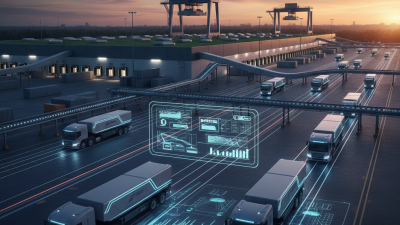
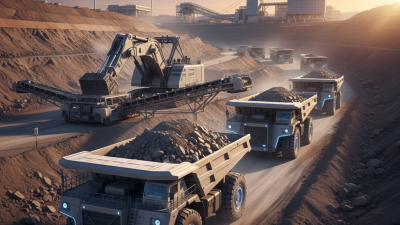
Top 10 Benefits of Autonomous Haulage in Modern Mining Operations?
In the realm of modern mining, "Autonomous Haulage" is revolutionizing operations. Industry expert Dr. Sarah Lane once stated, "Autonomous systems are no longer a dream; they are our present reality." This insight reflects the transformative impact of technology in mining.
The shift towards Autonomous Haulage offers numerous benefits. Enhanced safety is a key advantage, reducing human errors and accidents. Autonomous vehicles operate without fatigue, leading to more reliable performance. Additionally, efficiency gains are noteworthy. These vehicles can work continuously, increasing productivity levels significantly.
However, there are challenges to consider. Implementing Autonomous Haulage requires substantial investment in technology and training. It's crucial to address these concerns while exploring the potential of fully automated systems. By weighing benefits against possible drawbacks, the industry can better prepare for the future of mining.
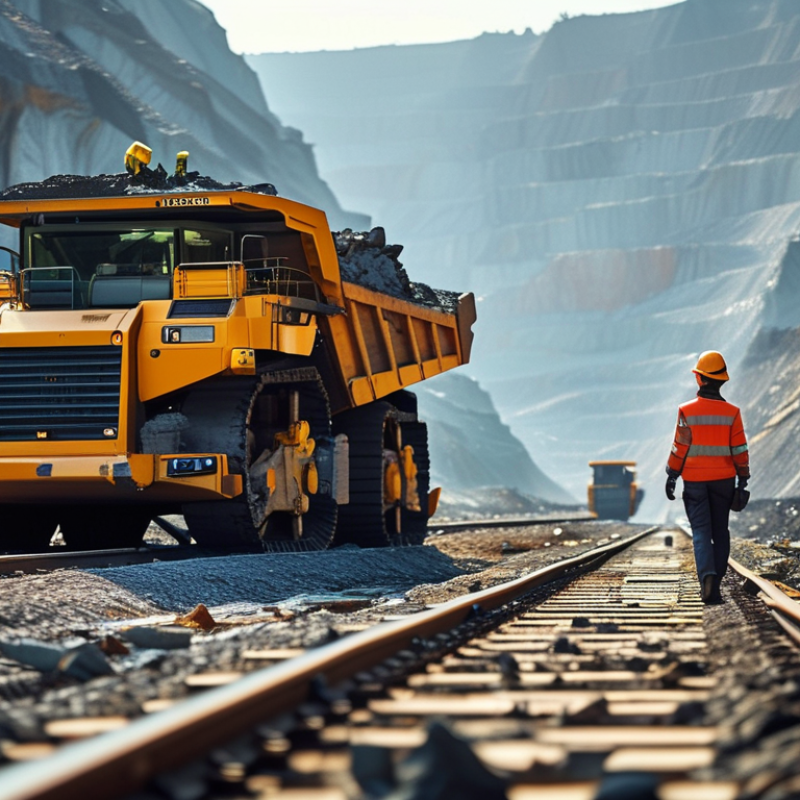
Benefits of Autonomous Haulage: Increasing Operational Efficiency in Mining
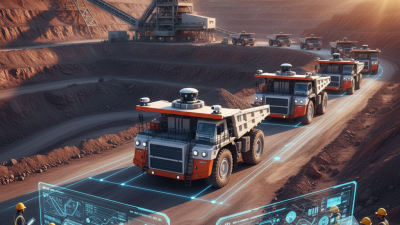
Autonomous haulage is reshaping the landscape of modern mining operations. By utilizing advanced technologies, companies can significantly increase operational efficiency. These systems allow for continuous operation, reducing downtime typically caused by human factors. When haul trucks operate autonomously, they can follow optimized routes, ensuring quicker cycle times. This efficiency translates directly to improved productivity and reduced costs over time.
However, the transition to autonomous systems is not without challenges. Mining companies must invest in infrastructure and training to support new technologies. There can be initial resistance from the workforce who may fear job losses. It’s crucial to address these concerns through transparent communication and retraining programs. Balancing technology with the human element is key to maximizing the benefits of autonomous haulage. Operators can become key players in overseeing these systems, ensuring safety and efficiency remain paramount.
While the potential for enhanced efficiency is considerable, ongoing assessment and refinement of these systems are necessary. Autonomous technologies must be monitored regularly to adapt to changing conditions in the mining environment. Learning from early implementations can lead to better integration and more effective practices. This iterative process highlights the importance of combining expertise with innovation in the mining industry.
Top 10 Benefits of Autonomous Haulage in Modern Mining Operations
Enhanced Safety Metrics: Reducing Workplace Accidents through Automation
The mining industry is witnessing a significant shift towards automation, particularly with autonomous haulage systems. One of the most compelling aspects of this change is the enhancement of safety metrics. Data from the Global Mining Guidelines Group reveals that implementing autonomous systems can reduce workplace accidents by up to 90%. This staggering figure underscores the effectiveness of automation in mitigating risks associated with human error.
Autonomous haulage vehicles operate in extreme environments where traditional human operators face numerous challenges. Factors such as fatigue, distraction, and adverse weather conditions significantly increase the chances of accidents. By removing humans from these hazardous roles, companies can create safer work environments. In fact, research indicates that sites with autonomous operations report fewer near-misses and safety incidents, fostering a culture of safety.
However, the transition to fully automated systems is not without its challenges. Training and retraining staff is crucial, as operators need to adapt to new technologies. Furthermore, not all mining sites are ready for complete automation, requiring a balanced approach. The industry must consider the implications of automation on job roles and safety protocols. These reflections are essential for ensuring a seamless transition towards a safer future in mining operations.
Cost Savings Analysis: The Financial Impact of Autonomous Haulage Systems
The financial impact of autonomous haulage systems in modern mining operations is significant. By reducing labor costs, companies can redirect funds to other critical areas. These systems operate around the clock, minimizing downtime and maximizing productivity. A well-implemented autonomous haulage system can decrease operational costs by up to 30%. This number reflects a concrete shift in financial strategies for many mining operations.
However, the initial investment in automated systems can be daunting. Many companies face challenges in integrating these systems with existing infrastructure. Training personnel to oversee these technologies adds another layer of expense. Additionally, the return on investment may take time to realize. Some organizations question whether the savings justify the high upfront costs.
Despite these challenges, the benefits often outweigh the drawbacks. Autonomous haulage can enhance safety by reducing human error. Fewer accidents lead to lower insurance premiums and reduced liability. In an industry where margins can be tight, these factors contribute to a long-term financial advantage. As technology evolves, adaptation becomes imperative for any mining operation aiming to stay competitive.
Top 10 Benefits of Autonomous Haulage in Modern Mining Operations
| Benefit |
Description |
Estimated Cost Savings (%) |
Implementation Time (Months) |
| Increased Safety |
Reduction of accidents due to human error. |
15% |
6 |
| Operational Efficiency |
Continuous operation without breaks. |
20% |
12 |
| Fuel Efficiency |
Optimized driving patterns reduce fuel consumption. |
10% |
9 |
| Labor Cost Reduction |
Decreased need for manual operation staff. |
25% |
18 |
| Enhanced Data Collection |
Real-time data enhances decision-making. |
5% |
3 |
| Sustainability |
Lower emissions due to decreased energy usage. |
12% |
7 |
| Predictive Maintenance |
Advanced analytics for equipment longevity. |
8% |
10 |
| Improved Scheduling |
Better allocation of resources and time. |
7% |
6 |
| Increased Productivity |
Higher throughput rates with autonomous systems. |
18% |
14 |
| Longer Operating Hours |
Ability to function 24/7 without human limits. |
9% |
8 |
Environmental Impact: Lowering Carbon Footprint with Autonomous Technology
Autonomous haulage systems are changing the mining landscape.
A significant benefit is their potential to reduce the carbon footprint.
These systems rely on electric power, which emits fewer pollutants compared to traditional diesel-powered trucks.
This transition can significantly lower greenhouse gas emissions in mining operations.
Increased efficiency is another factor. Autonomous vehicles can operate continuously, which maximizes
productivity. However, this also raises concerns about energy consumption.
While charging infrastructure improves, energy sources must be sustainable. It's essential to monitor
the overall environmental impact of these technologies.
Another aspect to consider is the maintenance and lifecycle of autonomous vehicles.
While they may lower emissions initially, their manufacturing process can have a high carbon cost.
Mining companies must evaluate the full environmental effect. It's crucial to strike a balance
between adopting new technologies and ensuring they contribute positively to sustainability goals.
Environmental accountability remains a key consideration in deploying these systems.
Improved Resource Management: Optimizing Material Handling in Mining Operations
Autonomous haulage systems are transforming modern mining operations.
By optimizing material handling, they improve resource management significantly. These systems automatically transport materials
over long distances, reducing human error and increasing operational efficiency.
Enhanced resource allocation is a key benefit.
Autonomous vehicles can operate continuously without breaks, leading to a consistent flow of materials. This relentless operation
minimizes downtime. However, transitioning to such technology can be challenging. It requires significant investment and training
for employees. The initial integration period may lead to disruptions. Continuous monitoring and adjustments are essential for
successful implementation.
Data analytics play a crucial role in optimization. Autonomous systems collect vast amounts of data, which helps in understanding
material movement patterns. Mining companies can analyze this data to enhance strategies. Yet, reliance on data can also present
risks. Over-dependence may overlook valuable on-ground insights from human operators.
Balancing technology with human expertise is vital for
maximizing resource management in mining operations.