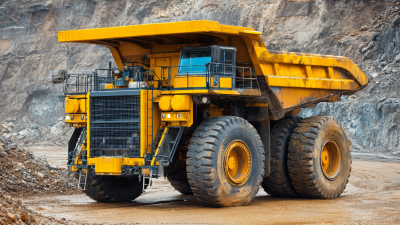
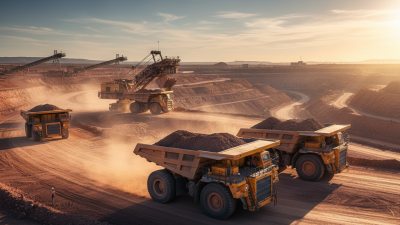
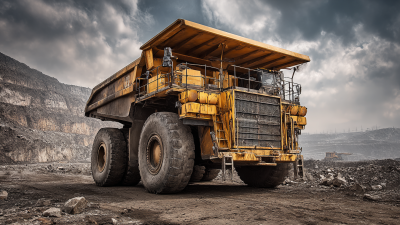
Why Are Underground Mining Trucks Essential for Modern Mining Operations?
In the modern mining industry, efficiency and safety are paramount. Underground Mining Trucks play a crucial role in achieving these goals. According to a report by the International Council on Mining and Metals, about 40% of the total operational costs in mining come from transportation. This highlights the importance of choosing the right equipment for underground operations.
Dr. Emily Johnson, a well-known expert in mining technology, has stated, "The efficiency of underground trucks directly impacts productivity and worker safety." This insight underscores the need for advanced solutions in the sector. With growing demands for minerals, the right Underground Mining Truck is essential.
These trucks are designed for narrow spaces and challenging terrains. Their capabilities allow for timely movement of resources, which can significantly affect production timelines. However, not all solutions are perfect. Some trucks may struggle with weight distribution or maintenance issues. Continuous innovation is necessary to address these challenges and enhance operations.
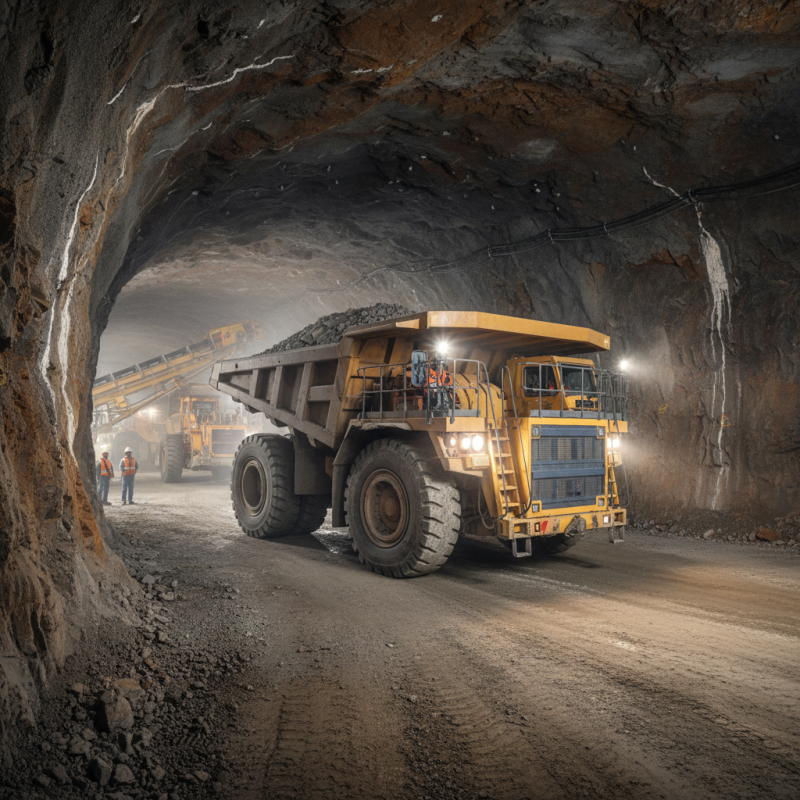
The Role of Underground Mining Trucks in Efficient Material Transport
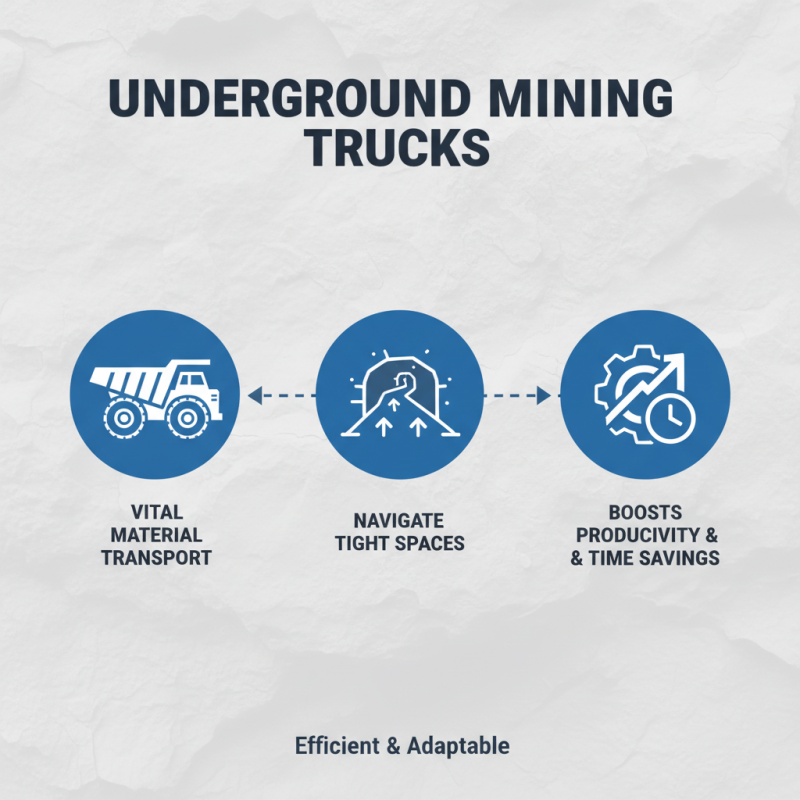
Underground mining trucks are vital for efficient material transport in modern mining operations. These specialized vehicles navigate tight spaces, carrying ores and waste materials from deep within mines. Their design allows for maneuverability and adaptability to challenging terrain. This efficiency translates into time savings and improved productivity.
Consider the dimensions of these trucks. They must fit comfortably in narrow tunnels yet carry heavy loads. The balance between size and capacity is critical. Operators often face challenges in maximizing loads without sacrificing safety. Each transport cycle requires careful planning. Operators sometimes miscalculate, leading to inefficiencies.
Tips: Regular maintenance of underground trucks can prevent breakdowns. Ensure that all components are functioning properly. Keeping the tires inflated correctly can improve traction and stability. Training operators on best practices enhances overall safety and efficiency. Mistakes can happen, but learning from them is essential for more effective operations.
Advantages of Using Underground Mining Trucks Over Conventional Methods
Underground mining trucks have transformed the mining industry. These machines outperform conventional methods in several key areas. Their design allows access to tight spaces in underground mines. This capability leads to more efficient operations. Conventional methods often struggle with maneuverability. Trucks excel in hauling materials swiftly.
One major advantage is their ability to navigate rough terrain. The rugged wheels grip uneven surfaces well. This minimizes downtime, which is critical in mining operations. By using trucks, companies can transport ore faster and safer. Still, operators must be cautious. Uneven ground can pose risks. Regular training on safety protocols is essential.
Another benefit of using underground mining trucks is their loading capacity. They can carry heavier loads than traditional methods. This efficiency can reduce operational costs significantly. Yet, frequent maintenance is necessary to prevent breakdowns. A well-maintained truck can save time and money in the long run.
**Tip:** Always conduct routine checks on equipment. This can help identify issues before they escalate. Small problems often lead to major downtime. Keep records of maintenance for each truck. This ensures compliance and improves lifespan.
Key Features and Technologies of Modern Underground Mining Trucks
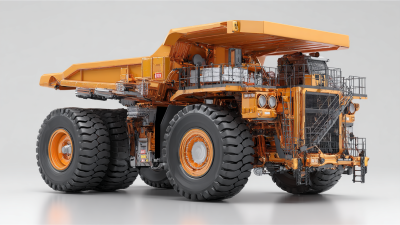
Underground mining trucks play a crucial role in modern mining operations. They are designed to operate efficiently in confined spaces, navigating narrow tunnels. Their robust build allows them to carry heavy loads of ore and material without compromising safety or performance. Advanced suspension systems enhance stability, enabling smooth transport even on uneven terrain.
Modern underground trucks come equipped with innovative technologies. Many feature advanced GPS systems for precise navigation. These systems help operators avoid obstacles and enhance overall efficiency. Automated monitoring systems provide real-time data. This allows operators to make informed decisions about truck performance and maintenance needs.
Tips: When selecting underground mining trucks, consider payload capacity carefully. A larger payload can increase productivity, but also affects maneuverability. Regular maintenance checks are vital to ensure longevity and efficiency. Flaws in operation can lead to costly downtimes. Investing in well-designed trucks with modern technology can significantly enhance operational capabilities.
Impact of Underground Mining Trucks on Safety and Productivity
Underground mining trucks play a crucial role in modern mining operations. They ensure efficient transport of materials from deep underground to surface facilities. Safety is a primary concern. According to the Mining Safety and Health Administration, mining accidents reduced by approximately 20% in regions utilizing advanced trucks. These vehicles are designed to navigate tight spaces, minimizing the risk of collisions.
Productivity is also significantly enhanced. A report from the International Council on Mining and Metals suggests that smart mining technologies can increase productivity by up to 30%. Trucks equipped with real-time monitoring systems improve load capacities and reduce downtime. Efficiency is vital; however, inconsistent maintenance practices can lead to unexpected failures.
Improving safety and productivity is a continuous journey. Even with advancements, challenges remain. Training operators to manage these trucks safely is essential, yet often overlooked. Proper training can make a difference in success rates. In some cases, inadequate focus on driver's education leads to errors. Continuous assessment of methods and technologies is necessary to maintain progress.
Future Trends and Innovations in Underground Mining Truck Design
Underground mining trucks are vital for efficiency and safety in modern operations. As the industry evolves, innovation in truck design is becoming crucial. Current trends show that automated systems are gaining traction. They enhance operational performance by minimizing human error. In fact, data from industry reports indicate a potential 30% reduction in operational costs with automation.
Electric and hybrid trucks are emerging trends as well. These vehicles are designed to reduce emissions. Recent studies indicate that transitioning to electric trucks could lower greenhouse gases by up to 50%. However, challenges remain. The charging infrastructure for underground operations is still underdeveloped. This transition requires careful planning and investment.
Another focus is on improving payload capacities and maneuverability. Optimized designs allow trucks to navigate tighter spaces and carry heavier loads. Research shows that trucks with enhanced design can increase efficiency by nearly 25%. Yet, not all operations are ready for these advancements. Resistance to change can hinder progress. A balance between traditional methods and new technology is essential for the future of underground mining.