Types Of Mining Trucks Explained What You Need To Know?
In the world of mining, understanding the "Types Of Mining Trucks" is crucial. Experts like John Anderson, a leading authority in mining equipment, emphasize, “The right truck can drastically improve efficiency.” Mining trucks are not just vehicles; they are the backbone of mining operations.
Mining trucks come in various shapes and sizes. Each type serves a unique purpose in transporting materials. For example, rigid dump trucks are powerful but may struggle in tight spaces. This offers a lesson on choosing equipment wisely. It's not just about capacity; it's about adaptability too.
As the industry evolves, so do the demands on these trucks. New technologies create opportunities for efficiency but also bring challenges. Operators must stay informed about these changes. Understanding the "Types Of Mining Trucks" is essential for enhancing productivity in mining operations.
Types of Mining Trucks: Overview of Their Functions and Features
Mining trucks are crucial in the extraction industry. They come in various types, each with unique functions. Understanding these types can help in choosing the right truck for specific mining needs.
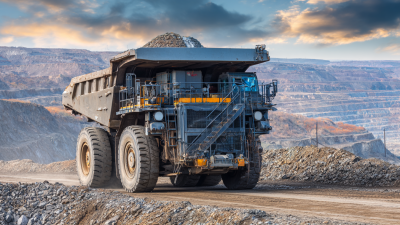
Heavy-duty trucks are designed for transporting large loads over rough terrains. They often have robust tires and powerful engines. These features enable them to move efficiently across mining sites. Another type is the articulated truck. It has a pivot joint between the cab and trailer. This design allows for better maneuverability on uneven surfaces.
Moreover, there are smaller trucks made for underground mining. These trucks are compact, enabling them to navigate tight spaces easily. They often need to be more efficient with fuel. Some features can be improved for better performance. Ultimately, knowing the right type of mining truck can enhance productivity. Each type serves its purpose, but not all options suit every situation.
Key Components of Mining Trucks That Impact Performance and Efficiency
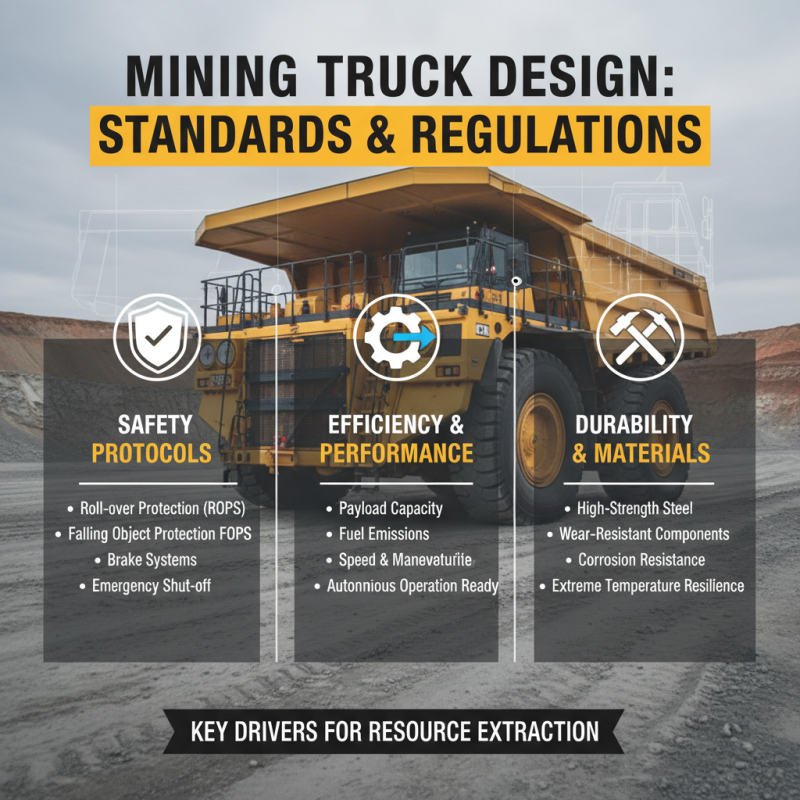
Mining trucks play a vital role in the industry. Their performance heavily relies on key components. Payload capacity is crucial. Most modern trucks can carry between 200 to 400 tons. However, overloading can lead to reduced efficiency. Proper weight management is essential to maintain optimum performance.
Another important aspect is the powertrain. The engine type directly affects fuel consumption. Diesel engines are dominant but often less efficient than electric options. Studies show that electric trucks can reduce operational costs by up to 30%. Yet, the initial investment remains a barrier for many companies.
Additionally, the truck's suspension system impacts ride quality and stability. Effective suspension systems should minimize vibrations. This is critical on rough terrains. Trucks with superior suspension can improve payload longevity. Ignoring this can lead to increased maintenance costs and downtime. Finding the right balance between robustness and flexibility is often a challenge in the mining sector.
Comparison of Different Mining Truck Types: Specifications and Uses
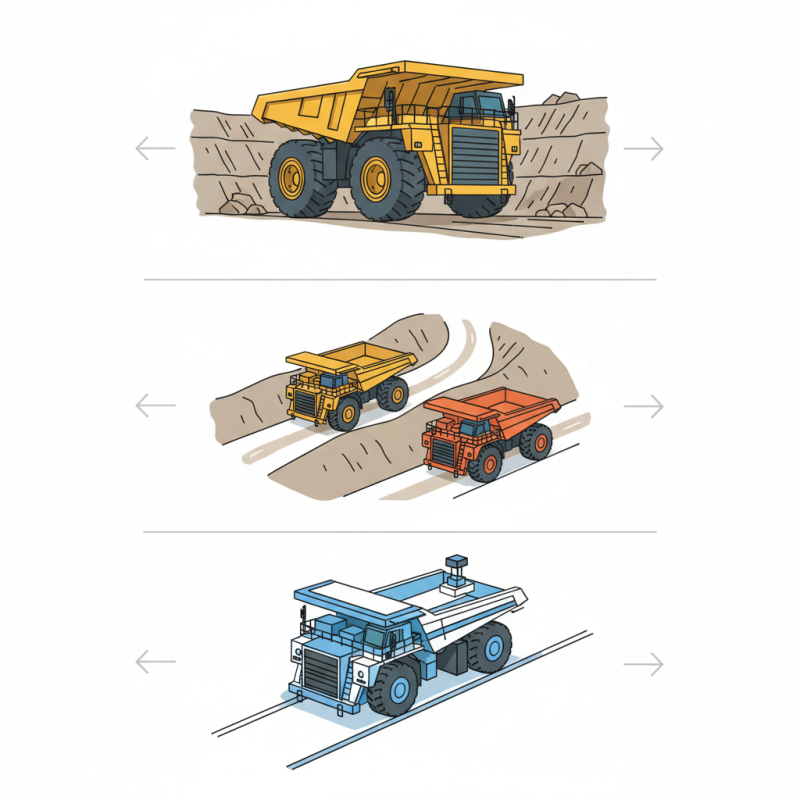
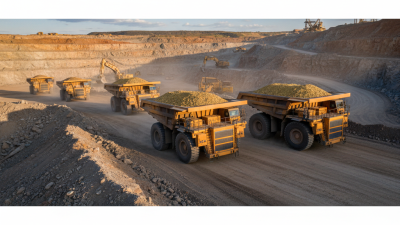
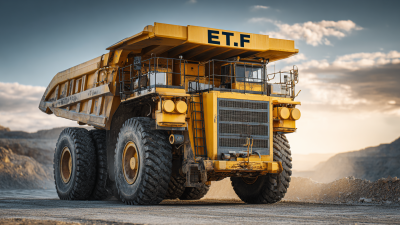
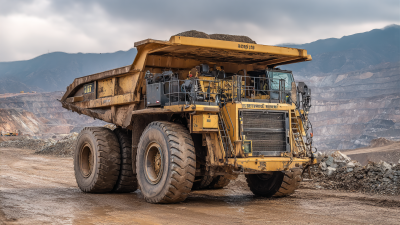
When it comes to mining trucks, choosing the right type is crucial for efficiency and productivity. There are several categories of these trucks, each designed for specific applications in the mining industry. For instance, rigid dump trucks are highly efficient for transporting heavy loads over rough terrain, boasting payload capacities of up to 400 tons. They are ideal for large-scale operations where bulk transport is essential.
Another type is articulated dump trucks, which offer superior maneuverability. They are beneficial in tighter spaces or challenging environments, with capacities generally ranging from 20 to 40 tons. While they can navigate difficult terrains, their maximum payload may not match that of rigid trucks. According to recent industry analyses, articulated trucks are increasingly used in smaller operations where versatility is valued over sheer load capacity.
Moreover, there's a growing trend towards electric-powered mining trucks. These vehicles are seen as more sustainable alternatives. They reduce emissions and operational costs, but their initial investment can be high. The mining sector is gradually acknowledging the need for greener solutions, though doubts linger regarding battery life and charging infrastructure. Ultimately, understanding the specifications and potential drawbacks of each type of truck remains vital for making informed operational decisions.
Future Trends in Mining Truck Technology and Sustainability Efforts
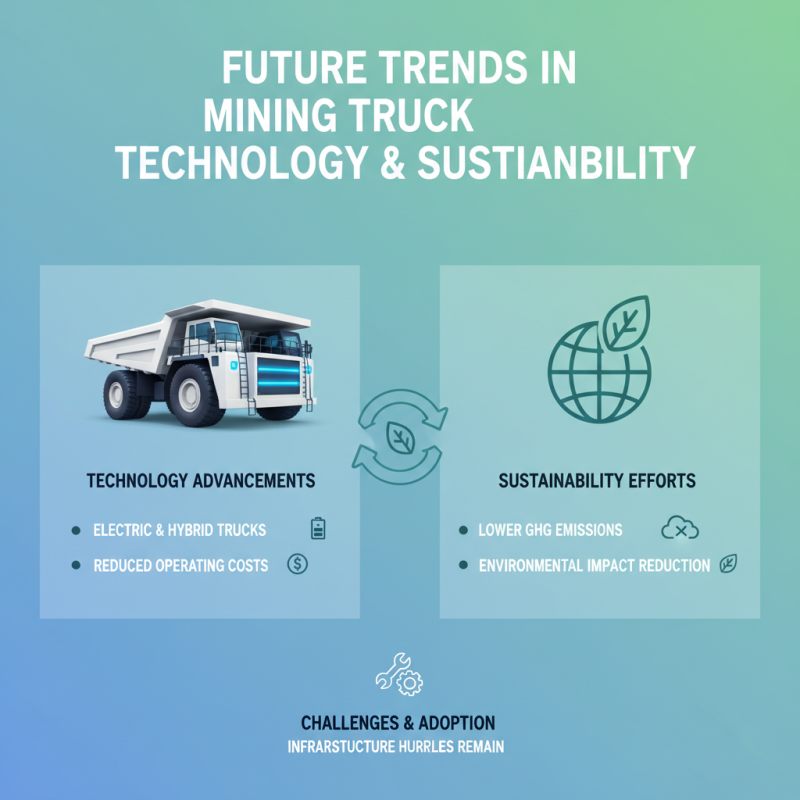
The future of mining trucks is leaning heavily towards technology and sustainability. Electric and hybrid trucks are becoming more common. These vehicles can reduce greenhouse gas emissions significantly. They also lower operating costs over time. Adoption is not universal yet, as infrastructure challenges remain.
New innovations are emerging in autonomous mining trucks. These vehicles can operate without human intervention, increasing efficiency and safety. However, there are concerns about job displacement in the industry. This presents a challenge that needs addressing. Balancing technology advancements and workforce stability is crucial.
Sustainability efforts are essential for mining operations. The industry faces pressure to minimize its environmental impact. Utilizing renewable energy sources during operations is becoming a focus. Some companies are exploring ways to recycle materials used in truck production. Yet, achieving full sustainability is a long journey, and it takes time to develop efficient systems.