2026 Top Types of Mining Trucks Buyers Need to Know?
In the evolving landscape of mining, understanding the "Types of Mining Trucks" is crucial for buyers in 2026. Renowned industry expert Dr. Emily Thompson emphasizes, "Choosing the right mining truck can drastically improve operational efficiency." This statement underscores the importance of selecting the right vehicle in a competitive market.
Mining trucks are not just large vehicles; they are the backbone of mineral transport. Buyers must consider factors such as payload capacity, fuel efficiency, and durability. Some trucks excel in rough terrains, while others might be better suited for underground operations. Each type has its unique specifications and applications, which can be overwhelming for newcomers.
Reflecting on the available choices can lead to better decision-making. However, it is easy to overlook critical details in the selection process. Buyers must remain vigilant and seek expert advice to prevent costly mistakes. Investing time in understanding the "Types of Mining Trucks" will ultimately enhance productivity and ensure successful operations in the mining sector.
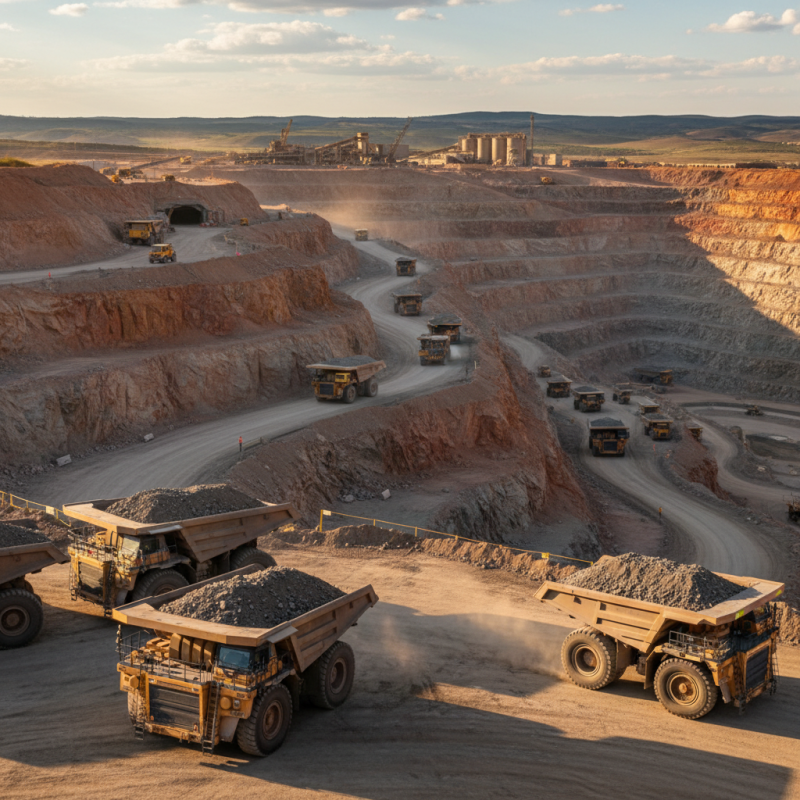
Overview of Mining Truck Types and Their Applications
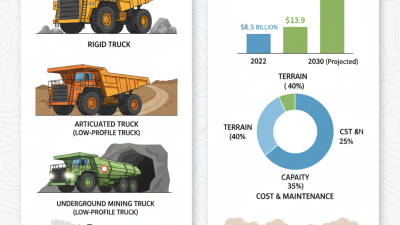
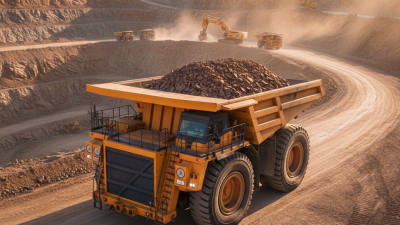
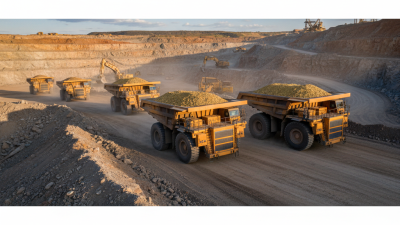
Mining trucks are essential in the extraction and transportation of minerals. Different types cater to various terrains and loads. For instance, rigid dump trucks offer stability and high payload capacity. They excel in mining sites with rough conditions. Articulated trucks, on the other hand, provide flexibility. Their design allows for better maneuverability, making them suitable for narrow and uneven paths.
Electric trucks are gaining traction. They help reduce emissions and operational costs. However, charging infrastructure remains a concern. Many operators have yet to adapt fully to this technology. Hybrid models are also increasingly popular. These trucks combine diesel and electric power, balancing performance and environmental considerations.
Another category is underground mining trucks. They are designed to fit in tight spaces. Their compact design allows them to navigate mines, transporting materials efficiently. Despite their advantages, these trucks face wear challenges due to abrasive materials. Operators must remain vigilant about maintenance to ensure longevity and reliability. Understanding these types helps buyers make informed decisions based on specific mining needs.
Key Features to Consider When Buying Mining Trucks
When purchasing mining trucks, certain features hold significant importance. Buyers should assess the payload capacity. Trucks designed for mining purposes must carry heavy loads efficiently. Larger payloads mean fewer trips, saving time and costs.
Another critical feature is durability. Mining environments can be harsh. Trucks should withstand rough terrains and extreme weather. Choosing well-engineered models can minimize maintenance downtime. This aspect is essential for continuous operations.
Tips: Always evaluate the engine power. A strong engine helps with steep inclines. Also, check for the latest technology in trucks. Advanced systems can enhance safety and productivity on-site.
It's vital to consider the truck's maneuverability. In confined spaces, handling is crucial. Do not overlook the comfort of the cabin. Operators who feel comfortable can work more efficiently.
Popular Brands and Models of Mining Trucks in 2026
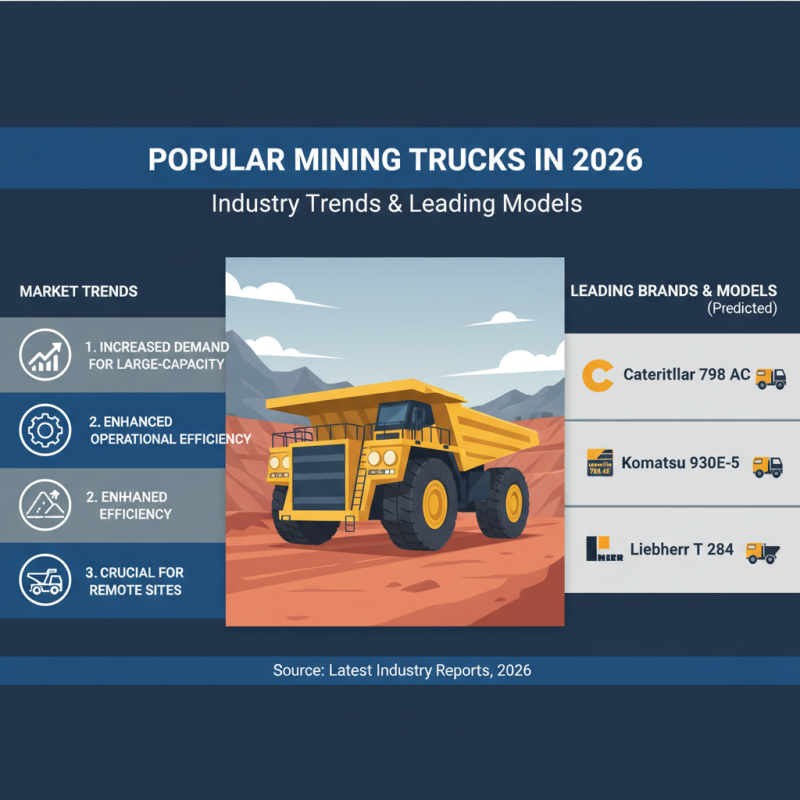
In 2026, the mining truck market continues to evolve with various popular models and brands. According to the latest industry reports, demand for large-capacity trucks is on the rise. These vehicles play a crucial role in enhancing operational efficiency in mining operations. They allow for transporting heavier loads over challenging terrains, which is essential in remote mining sites.
Several key models have attracted attention this year. Electric and hybrid trucks are gaining traction, showcasing improved fuel efficiency and reduced emissions. Mining operators are increasingly aware of sustainability impacts. Many reports indicate that operators can save up to 30% on fuel costs by investing in these advanced technologies. However, challenges persist. The initial investment for such trucks is higher, and maintenance requires specialized knowledge.
An often overlooked aspect is driver safety. Newer models incorporate enhanced safety features, reducing accident rates. Yet, the industry still grapples with training personnel adequately to operate these sophisticated machines. Ensuring operators are well-equipped can mitigate risks significantly. The ongoing learning curve may generate friction, but the journey remains essential for advancing the mining sector.
Comparative Analysis of Electric vs. Diesel Mining Trucks
The mining industry is undergoing significant changes as technology advances. One of the key discussions revolves around electric versus diesel mining trucks. Electric trucks offer a cleaner and quieter operation. They emit zero tailpipe emissions, which can improve air quality at mining sites. These trucks are generally more efficient in energy use, potentially lowering operational costs.
However, diesel trucks are still prevalent due to their reliability. They have a proven track record and can operate in challenging conditions. Despite the transition, some operators remain hesitant about fully switching to electric. Concerns about battery life and charging infrastructure are valid. Diesel vehicles currently provide longer ranges without the need for frequent charging, making them a practical choice for extensive mining operations.
In a rapidly changing market, buyers must weigh these factors carefully. Each option has merits and drawbacks. While companies strive for greener alternatives, traditional diesel engines might still dominate in the short term. The ideal choice ultimately hinges on specific operational demands and resource availability. The balance between sustainability and efficiency is a crucial consideration.
Maintenance and Operational Costs of Mining Trucks for Buyers
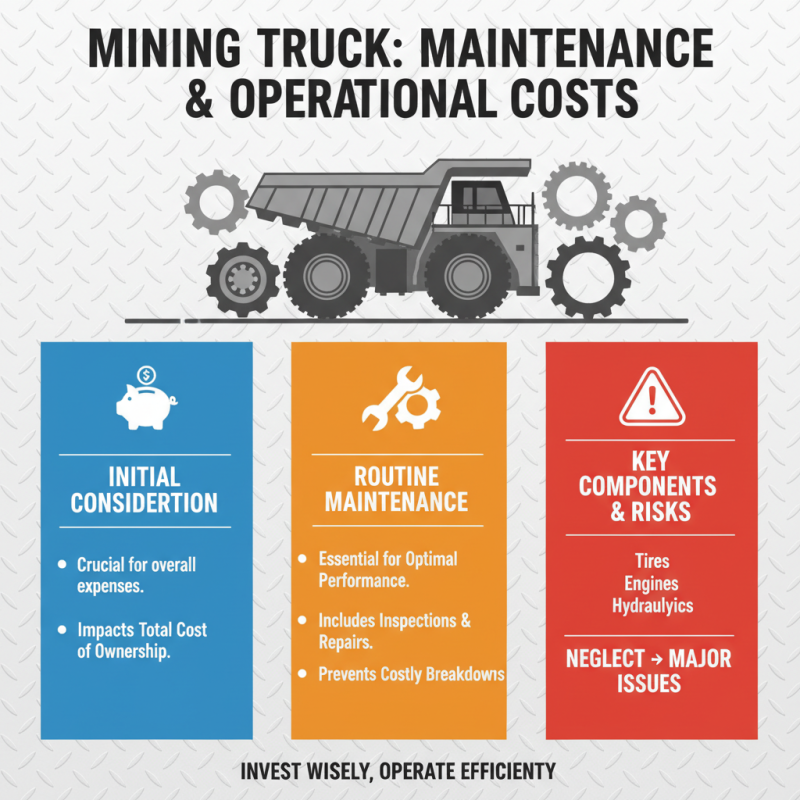
When purchasing mining trucks, understanding maintenance costs is crucial. These costs can significantly impact overall expenses. Regular maintenance is essential for optimal performance. Buyers should expect to invest in routine inspections and repairs. Components like tires, engines, and hydraulic systems often require frequent attention. Neglecting maintenance can lead to larger, more costly issues.
Operational costs are another key aspect. Fuel consumption varies widely across models. Buyers should analyze fuel efficiency to ensure long-term savings. Heavy loads can strain engines, increasing wear and tear. This can elevate maintenance expenses. It's vital to consider the total cost of ownership, not just the initial price. Some trucks may have lower purchase costs but could incur higher operational costs over time.
Buyers must also reflect on potential downtime. Delays in operations can lead to significant losses. Finding a balance between upfront cost and long-term reliability is crucial. Not all mining trucks are created equal. Some may offer better performance but require more intensive maintenance. Understanding these nuances is essential for making informed decisions.