Top Dump Truck Mining Jobs You Need to Know About?
The mining industry offers various career paths, with Dump Truck Mining Jobs at the forefront. These positions are essential for transporting materials on mine sites. People looking for stable employment should consider these opportunities.
Learning about Dump Truck Mining Jobs can enhance your career prospects. These jobs require specialized training and skills to operate heavy machinery safely. Many workers appreciate the physical aspect and outdoor environment of these roles. Yet, the industry can be demanding. Long hours and harsh conditions are common.
Not everyone thrives in this work environment. Experience matters, but so does the right attitude. As you explore these careers, reflect on your capabilities and preferences. Dump Truck Mining Jobs can provide good wages and benefits, but they also come with challenges. Understanding both sides helps in making informed decisions about your future.
Overview of Dump Truck Mining Jobs
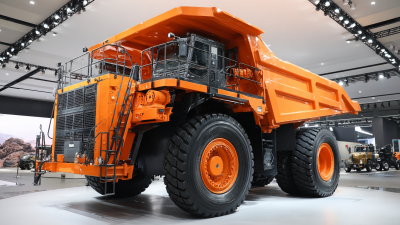
Dump truck mining jobs play a crucial role in the mining industry. These jobs involve transporting materials like ore, gravel, and rock from one site to another. Operating a dump truck requires skill and attention to detail. The work environment can be noisy and dusty, demanding resilience from workers. Proper training is essential for safety and efficiency on the job.
The demand for skilled dump truck operators has grown significantly in recent years. With numerous mining projects underway globally, opportunities abound in various regions. However, the job can be tough. Long hours and harsh conditions might lead to fatigue. Operators must stay alert and maintain focus. It's vital to use proper safety gear and adhere to protocols.
Experience is invaluable in this field. Many operators start as assistants or laborers, learning the ropes firsthand. This growth path can be rewarding but lacks immediate stability. Newcomers might face challenges, adjusting to the physical demands and work culture. Understanding the machinery and potential hazards is part of the journey. Overall, while rewarding, dump truck mining jobs require commitment and adaptability.
Essential Skills Required for Dump Truck Operators
Operating a dump truck in the mining industry requires a unique set of skills. Proficiency in vehicle operation is crucial. An operator must understand the mechanics of the truck. They need to handle various terrains, often under challenging conditions. Good hand-eye coordination is necessary to navigate tight spaces and steep gradients.
Attention to detail is another essential skill. Operators must perform pre-trip inspections. Recognizing potential mechanical issues can prevent accidents and downtime. Communication skills are equally important. They must work closely with team members and supervisors. Clear communication ensures safety and efficiency at the worksite.
Physical stamina cannot be overlooked. Dump truck operators often work long shifts. They may deal with harsh weather conditions. Regular maintenance knowledge is also beneficial. Understanding routine checks can enhance vehicle performance. Reflecting on these skills highlights their importance. They are vital for ensuring not only successful operations but also personal safety.
Top Mining Companies Hiring Dump Truck Drivers
The mining industry is constantly evolving, and dump truck drivers play a crucial role in its operations. Many top mining companies are hiring skilled drivers to meet increasing demands. According to industry reports, the global demand for dump trucks is projected to increase by 4.5% annually over the next five years. This growth highlights the importance of skilled labor in the sector.
Many mining companies are seeking experienced drivers who are familiar with heavy machinery. They look for candidates who have a solid understanding of safety protocols. A report from the Mining Safety Council indicated that approximately 30% of accidents can be traced to operator error. It's clear that safety training is essential.
Tips: Always stay updated on safety regulations. Join forums or groups related to mining and trucking. Networking can open doors to job opportunities. Regularly check your skills against industry standards to stay competitive. As demands rise, drivers must adapt and refine their expertise in the field. Balancing performance and safety is key.
Top Dump Truck Mining Jobs You Need to Know About
| Job Title |
Location |
Experience Required |
Salary Range |
Benefits |
| Heavy Duty Truck Driver |
Western Australia |
3+ years |
$80,000 - $120,000 |
Health Insurance, Retirement Plans |
| Dump Truck Operator |
Alberta, Canada |
2+ years |
$70,000 - $100,000 |
Paid Time Off, Training Programs |
| Mining Truck Driver |
Nevada, USA |
3+ years |
$75,000 - $110,000 |
Health and Dental, 401(k) |
| Articulated Dump Truck Driver |
New South Wales, Australia |
1+ year |
$65,000 - $95,000 |
Shift Allowances, Overtime Pay |
| Dump Truck Trainee |
Queensland, Australia |
No experience required |
$50,000 - $70,000 |
Training, Mentorship Programs |
Salary Expectations for Dump Truck Mining Positions
Dump truck operators play a crucial role in mining operations. The demand for skilled workers in this field remains high. As such, salary expectations for dump truck mining positions are competitive. Entry-level positions typically start around $50,000 annually. Experienced operators can earn upwards of $80,000 per year. Factors like location, specific mine operations, and years of experience significantly influence these figures.
When considering a mining job, it's essential to assess the salary alongside the job's demands. Many roles require long hours and challenging working conditions. This can impact work-life balance. Keeping this in mind will help you avoid potential burnout. Researching local salary trends can also provide insight into what to expect.
Tips for maximizing your earning potential include gaining certifications related to heavy machinery operation. Train continuously to stay updated on safety protocols. Networking within the industry can open doors to higher-paying opportunities. Don't overlook the importance of asking for feedback from peers and supervisors to improve your skills and marketability.
Top Dump Truck Mining Jobs Salary Expectations
Career Advancement Opportunities in Mining Industry
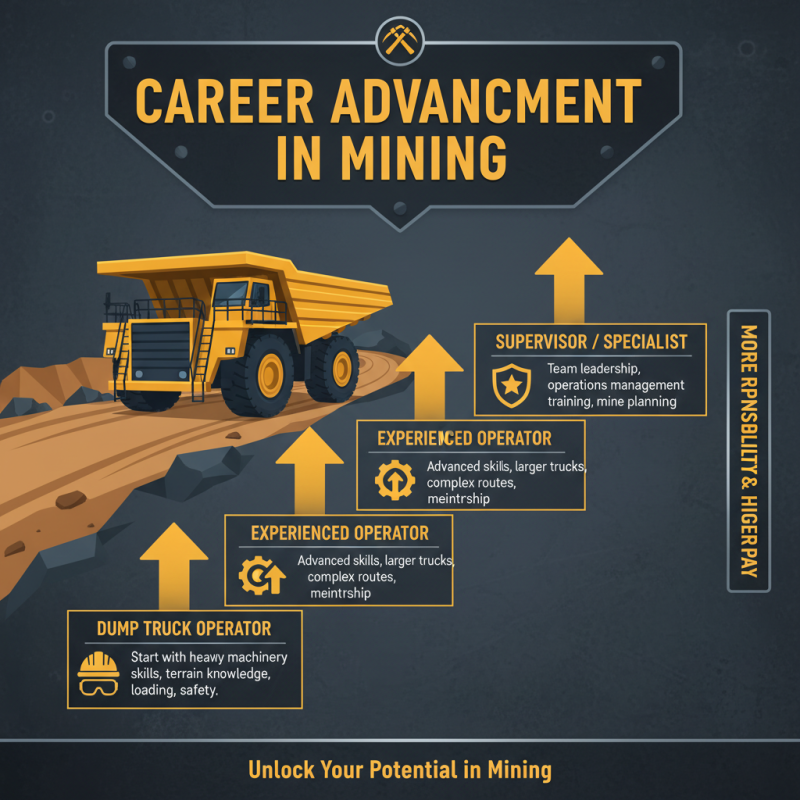
The mining industry offers numerous career advancement opportunities, especially for dump truck operators. This role requires skill and knowledge about heavy machinery. Operators learn about terrain, loading techniques, and safety protocols. As they gain experience, they can upgrade their skills and take on more responsibilities. This leads to potential promotions to supervisory roles or specialized positions.
Networking is essential in this industry. Building relationships with peers and mentors can enhance career prospects. Some may find opportunities in related fields, such as equipment maintenance or logistics. Continuous education, such as safety certification, also plays a vital role. It showcases commitment and can lead to higher-paying positions.
However, not all experiences will be perfect. Challenges exist, such as long hours and difficult working conditions. Reflection on these obstacles is crucial for personal and professional growth. Embracing these challenges can ultimately lead to a more rewarding career path in the mining sector.