Top Coal Haul Truck Models for Efficient Global Transportation?
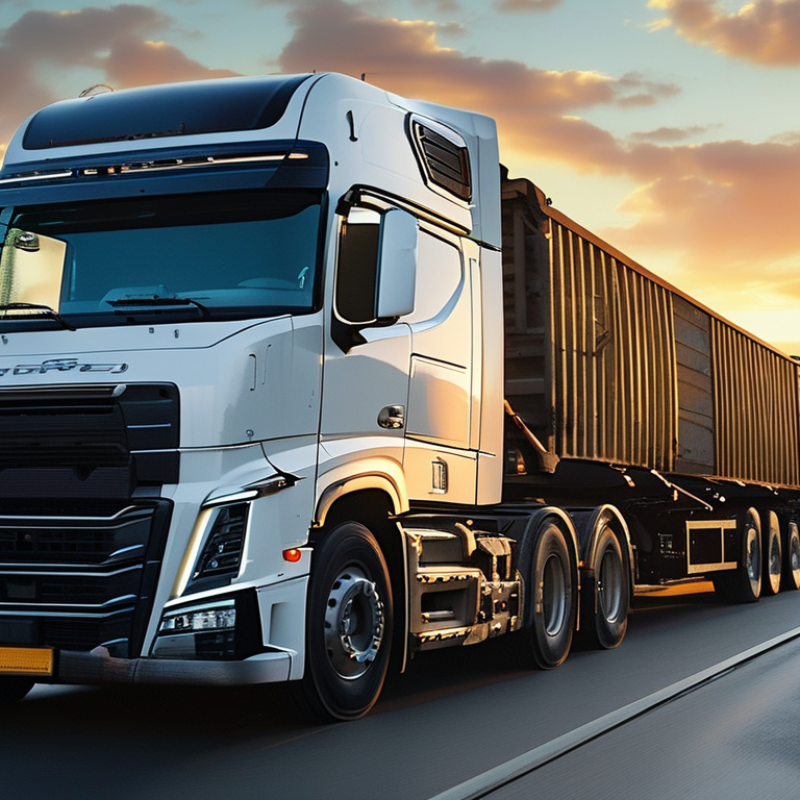
The global transportation of coal is pivotal to the energy sector. To move large quantities efficiently, the role of the Coal Haul Truck is indispensable. These trucks are specifically designed for heavy loads, ensuring quick and reliable delivery.
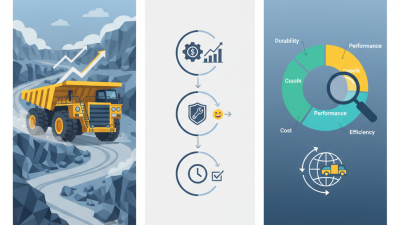
Various models dominate the market, each offering different features. Some prioritize fuel efficiency, while others excel in payload capacity. The selection of a Coal Haul Truck impacts operations significantly. Companies must balance cost, durability, and performance. Each decision can shape logistics substantially.
However, not all trucks fit every need. Identifying the right model requires understanding specific operational requirements. As the industry evolves, new technologies will continue to emerge, pushing the limits of efficiency. The future of coal transportation relies heavily on these innovations and reliable truck models.
Top Coal Haul Truck Models: An Overview of Leading Options
When it comes to coal transportation, efficiency is key. Selecting the right haul truck can significantly impact operational costs. Recent studies indicate that high-capacity trucks can improve productivity by up to 20%. This increase stems from advanced design features and the implementation of technology.
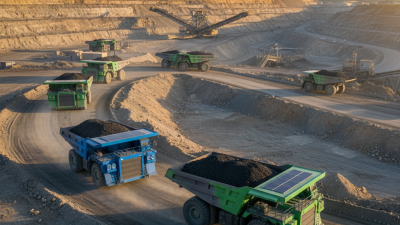
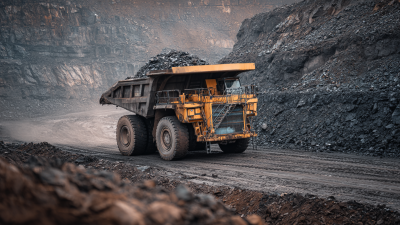
One of the critical aspects of these trucks is their load capacity. Models vary widely, with some able to transport over 400 tons per load. However, it’s important to consider the terrain and distance of operations. A truck that excels on flat surfaces may struggle in more rugged conditions. Also, fuel efficiency remains a concern, as fuel costs are a major expense in coal haulage.
Tips: Regular maintenance is essential for maximizing a truck’s lifespan. This minimizes unexpected breakdowns, ensuring consistent operations. Monitor load weights closely; overloading can lead to costly damage and increased maintenance needs. Each operation is unique, so data analysis can guide optimal vehicle selection and performance adjustments. Understanding specific site demands will lead to better investment decisions.
Key Features of High-Efficiency Coal Haul Trucks
Coal haul trucks are crucial for the efficient transportation of coal across global supply chains. Modern trucks are designed with powerful engines, high payload capacities, and advanced braking systems to ensure reliability. In fact, some models can transport up to 400 tons of coal per trip, significantly enhancing productivity.
Key features to look for include fuel efficiency and durability. Recent industry reports indicate that fuel-efficient trucks can reduce operational costs by up to 20%. This is essential given the rising fuel prices. Additionally, robust suspension systems are necessary for navigating rugged terrains, which are common in mining areas.
Safety features also play a critical role. Many trucks are equipped with advanced safety systems, including automatic braking and collision avoidance technologies. Investing in these high-efficiency models is vital for minimizing accident risks and protecting operators. However, the high initial cost of these trucks can be a barrier for smaller operators, underscoring the need for careful financial planning.
Environmental Impact and Sustainability of Coal Haul Trucks
The environmental impact of coal haul trucks is significant. These vehicles are crucial for transporting coal but contribute to greenhouse gas emissions. According to the International Council on Mining and Metals, mining operations can produce up to 1.5 billion tons of CO2 each year. As coal transport increases, so does pollution.
Efficiency is key to sustainability. Advanced technologies like electric drive systems can reduce fuel consumption. Reports show that newer truck models can be 15% more efficient than older versions. However, the industry must balance efficiency with ecological responsibility. Traditional diesel engines still dominate, posing a challenge to sustainability efforts.
Tips: Regular maintenance can enhance fuel efficiency. Reducing idle time can also lower emissions. Operators should consider environmental impacts during transportation planning. Better logistics can minimize haul distances, cutting carbon footprints. Focusing on these areas leads to more sustainable operations, but awareness is crucial for future improvements.
Top Coal Haul Truck Models for Efficient Global Transportation
This chart illustrates the efficiency of various coal haul truck models based on their payload capacity and fuel consumption. The data reflects average performance metrics that highlight the impact of these vehicles on transportation sustainability.
Comparative Analysis of Global Coal Transportation Solutions
Transportation of coal has become a critical element in the global energy supply chain. A recent report by the International Energy Agency (IEA) highlights that coal accounts for nearly 27% of global energy consumption. Efficient transportation solutions are vital to ensure timely and cost-effective delivery. A comparative analysis reveals various methods used in coal transportation, including trucks, railways, and barges, each with its own set of advantages and challenges.
Trucks are often seen as a flexible option, especially for shorter distances. However, they are often less efficient than rail or barge systems for large volumes. According to a report by the World Coal Association, rail can reduce the carbon footprint by up to 75% compared to truck transport. Barges offer substantial volume capacity but lack the speed needed for urgent deliveries. Each method comes with trade-offs, emphasizing the need to evaluate specific logistics requirements.
Tips: Consider the distance and volume when selecting transportation methods. Evaluate the cost versus efficiency for your specific needs. Options may shift depending on local infrastructure and environmental concerns. Balancing these factors can lead to significant savings and improve overall sustainability in coal logistics.
Future Trends in Coal Haul Truck Technology and Design
The evolution of coal haul truck technology is crucial for the industry's future. Engineers are focusing on increasing fuel efficiency and reducing emissions. New engines are engineered to meet stringent environmental standards while still handling heavy loads. Lightweight materials, such as advanced composites, are being used to enhance payload capacity without compromising durability.
Another trend is the integration of automation and smart technology. Fleet management systems now use real-time data to optimize routes and improve communication between vehicles. This innovation not only increases productivity but also minimizes downtime. However, the reliance on technology raises concerns about cybersecurity and maintenance. Operators must find a balance between technology and hands-on experience.
Safety features are also improving. Enhanced braking systems and better visibility are becoming standard. Despite these advancements, challenges remain in worker safety training and incident response. Continuous education is vital to ensure that personnel can effectively adapt to new systems. This ongoing development emphasizes the need for expertise in both machinery and human factors in operations.