Top 10 Autonomous Haul Trucks You Need to Know?
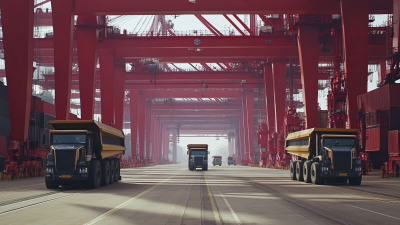
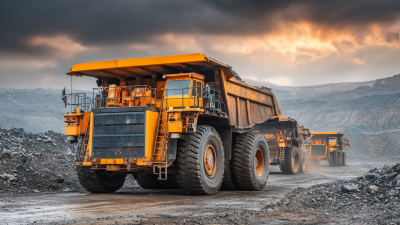
The landscape of mining and logistics is evolving rapidly with the introduction of Autonomous Haul Trucks. These advanced machines promise enhanced efficiency and safety. They operate without a human driver, relying on sophisticated technology to transport materials. This innovation is transforming operations in various industries.
Autonomous Haul Trucks are not just about automation; they represent a significant leap in engineering. Their design incorporates sensors, cameras, and artificial intelligence. Working together, these components allow for real-time decision-making on rugged terrains. However, deploying these trucks is not without challenges. Issues such as maintenance and data security need careful consideration.
As we explore the top 10 Autonomous Haul Trucks, it's essential to recognize their potential and limitations. Each model offers unique features tailored to specific needs. These trucks can reduce labor costs and improve productivity, but understanding their capabilities is crucial. Ultimately, the future of transportation depends on integrating technology with practical solutions.
Overview of Autonomous Haul Trucks in the Mining Industry
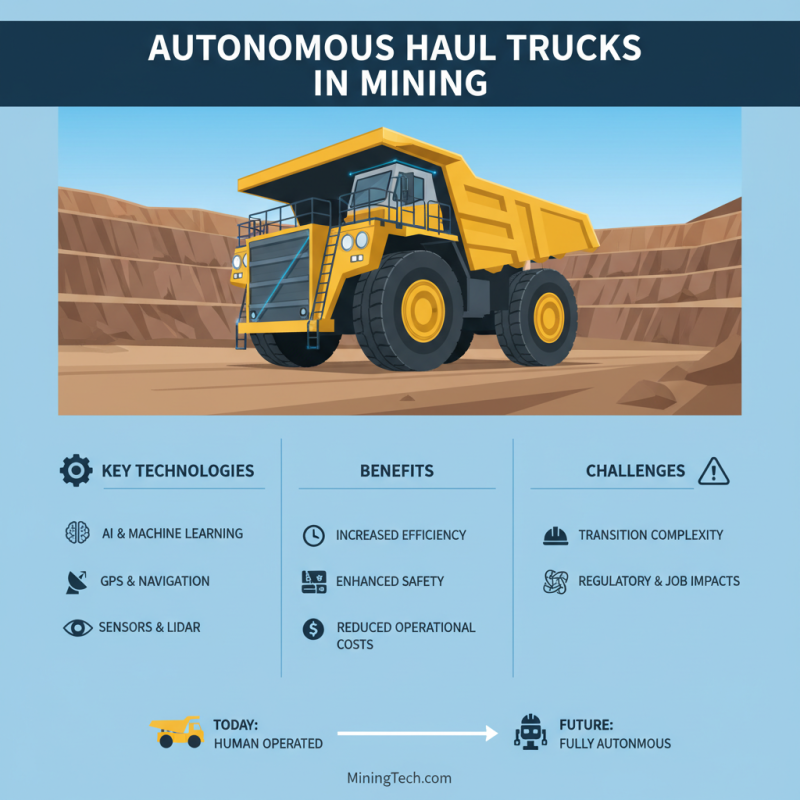
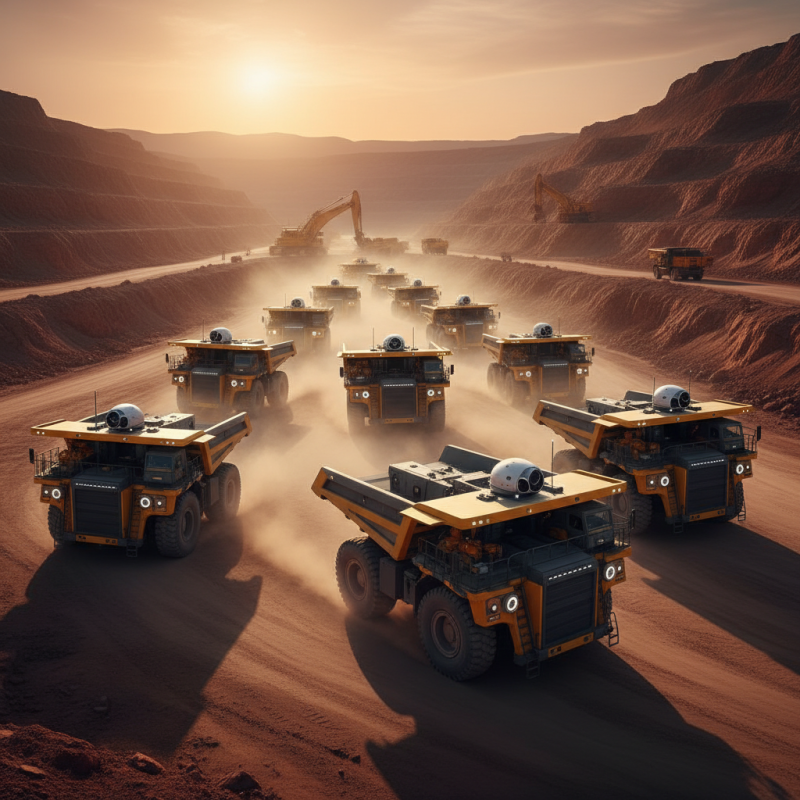
The mining industry is evolving rapidly with the introduction of autonomous haul trucks. These vehicles are designed to transport materials without human intervention. They rely on advanced technologies like AI, GPS, and sensors. This innovation aims to increase efficiency and safety while reducing operational costs. However, the transition to fully autonomous systems has its challenges.
One major concern is the reliability of these trucks in various terrains. Mining sites can be unpredictable, with changing conditions. Autonomous haul trucks must adapt to obstacles and adverse weather. They may face technical issues that require human oversight. Additionally, there is the question of cybersecurity. Protecting the technology from potential threats is crucial for maintaining safety and efficiency.
Moreover, retraining the workforce poses a challenge. Workers may fear job displacement due to automation. Finding the right balance between technology and human labor will require thoughtful planning. Open communication within companies is essential. This can help ease concerns and foster a culture of collaboration. Adopting these innovative trucks is a step forward, but the path is not without its hurdles.
Key Features and Technologies of Modern Autonomous Haul Trucks
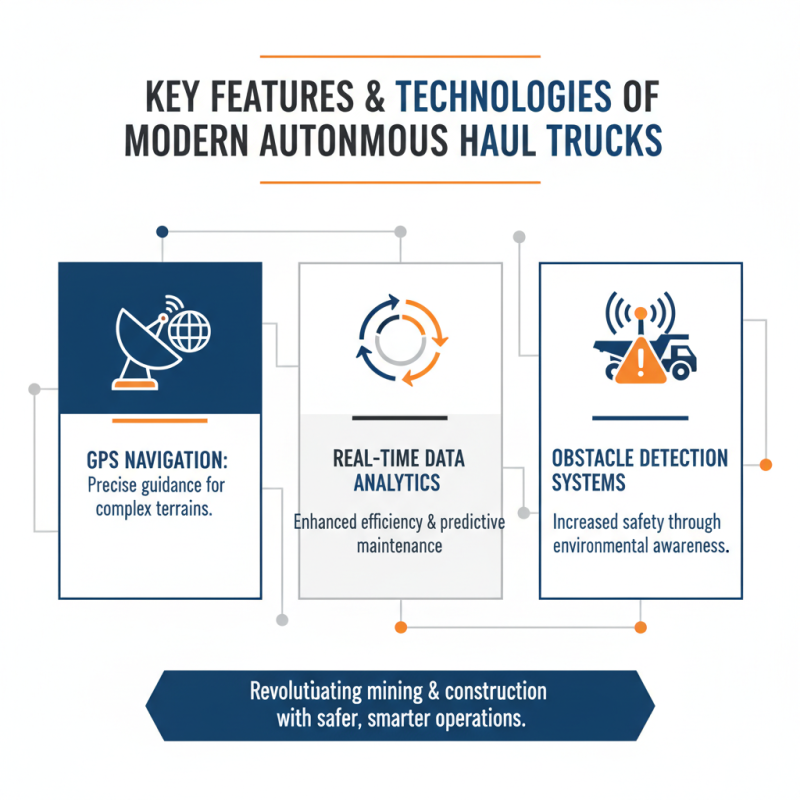
Autonomous haul trucks are revolutionizing the mining and construction industries. They come equipped with advanced technologies that make operations safer and more efficient. Key features often include GPS navigation, real-time data analytics, and obstacle detection systems. These technologies enable trucks to navigate complex terrains autonomously.
Safety is a primary focus in autonomous truck design. Sensors help detect potential hazards, allowing for immediate reaction. However, there are still challenges in unpredictable environments. Weather conditions and varying landscapes can impact performance. Companies continue to invest in research to improve reliability under these circumstances.
Another aspect worth noting is the integration of artificial intelligence. AI systems enhance decision-making capabilities, allowing trucks to adapt to different situations. Several operations have reported reduced operating costs due to increased efficiency. Yet, reliance on technology raises questions about jobs and workforce impact. Balancing innovation with human employment remains an ongoing dialogue in the industry.
Top 10 Autonomous Haul Trucks Currently in Use Around the World
Autonomous haul trucks are revolutionizing mining and construction sectors globally. These trucks improve efficiency, reduce operational costs, and enhance safety on job sites. According to a recent market analysis, the global autonomous truck market is projected to grow at a compound annual growth rate (CAGR) of 13.6% from 2021 to 2028.
Several models are now actively in use, each contributing to the industry's evolution. For instance, data reveals that trucks equipped with advanced sensors and AI can navigate complex terrains without human intervention. This technology aims to reduce human error, which has always been a significant concern in heavy machinery operation.
Tip: Ensure your fleet is equipped with the latest software updates. This can enhance detection and response capabilities. Regular maintenance checks are equally important for optimal performance.
While autonomous haul trucks are beneficial, they are not infallible. Challenges like environmental factors, equipment limitations, and the need for robust cybersecurity measures must be considered. Addressing these hurdles will be critical for further implementation and acceptance within the industry.
Tip: Conduct regular training for your staff on the latest technological advancements. This promotes a culture of safety and innovation, allowing for smooth transitions during upgrades.
Top 10 Autonomous Haul Trucks Currently in Use Around the World
This chart displays the estimated payload capacity of the top 10 autonomous haul trucks currently in use around the world. The figures indicate the maximum load (in tonnes) that each truck can carry, showcasing the advancements in autonomous hauling technology.
Comparative Analysis of Performance and Efficiency Among Top Models
The realm of autonomous haul trucking is rapidly evolving. Recent studies reveal that these trucks can enhance operational efficiency significantly. For instance, top models have demonstrated a 30% increase in productivity compared to conventional trucks. Their ability to navigate complex terrains autonomously contributes largely to this efficiency.
Performance metrics vary across models. Some excel in speed, while others prioritize load capacity. It's crucial to analyze these aspects to identify the best fit for specific mining or construction sites. Data indicates that models with advanced AI systems can optimize routes in real time, reducing fuel consumption by up to 25%. This not only saves costs but also supports sustainability efforts.
Tip: Investigate the integration of AI and machine learning in autonomous trucks. These technologies can drastically improve decision-making processes on the go.
Despite the technological advancements, there are areas needing improvement. The initial investment remains high, posing challenges for many companies. Additionally, maintenance requirements can be more complex than traditional options. Regular training for operators is essential to maximize the potential of these systems.
Tip: Engage with industry experts to stay updated on best practices in maintenance and operator training. Adaptation is key to fully utilizing new technologies.
Top 10 Autonomous Haul Trucks Comparative Analysis
| Model |
Payload Capacity (tons) |
Top Speed (km/h) |
Operating Range (km) |
Fuel Efficiency (L/100 km) |
Technology Level |
| Model A |
300 |
60 |
500 |
50 |
High |
| Model B |
250 |
65 |
450 |
55 |
Medium |
| Model C |
350 |
58 |
600 |
48 |
High |
| Model D |
400 |
55 |
550 |
52 |
Medium |
| Model E |
320 |
62 |
480 |
49 |
High |
| Model F |
280 |
64 |
470 |
54 |
Medium |
| Model G |
360 |
57 |
590 |
51 |
High |
| Model H |
300 |
61 |
500 |
53 |
Medium |
| Model I |
450 |
56 |
650 |
47 |
High |
| Model J |
420 |
59 |
520 |
50 |
Medium |
Future Trends and Innovations in Autonomous Haul Truck Technology
The future of autonomous haul truck technology is rapidly evolving. Innovations in artificial intelligence and sensor integration are at the forefront of this transformation. These advancements are enabling trucks to navigate complex environments safely, improving operational efficiency. Enabling technologies like LiDAR and computer vision enhance real-time decision-making. However, the reliance on technology raises questions about reliability. What if sensors fail?
Data analytics plays a critical role in this shift. Analyzing real-time data allows for predictive maintenance, reducing downtime. Fleet managers can optimize routes, leading to substantial cost savings. Yet, the complexity of data management is daunting. Integrating large datasets requires skilled personnel and robust systems. Companies often find it challenging to adapt.
Safety remains a primary concern as well. Although autonomous trucks can reduce accidents caused by human error, they are still vulnerable to environmental factors. Sudden weather changes or obstacles can disrupt operations. The industry must continuously reassess safety protocols as technology advances. Autonomous haul trucks promise a bright future, but they also invite scrutiny and necessitate cautious implementation.