10 Essential Tips for Operating Big Mining Trucks Effectively
Operating Big Mining Trucks effectively is crucial in today's mining industry. According to a report by the International Council on Mining and Metals, the global demand for minerals will increase by 50% by 2050. This growth requires not only the right machines but also the right strategies to operate them efficiently.
Dr. James Powell, a renowned expert in mining operations, asserts, "The efficiency of Big Mining Trucks is directly linked to operational practices." His insights, based on years of industry experience, highlight the importance of optimized training and maintenance protocols. From ensuring proper load management to regular inspections, each aspect plays a vital role.
However, not every operation achieves optimal performance. Many crews struggle with workflow inefficiencies and equipment downtime. These challenges often stem from a lack of training or inconsistent maintenance. As the industry evolves, adapting to new technologies and practices becomes essential for maximizing the capabilities of Big Mining Trucks. Balancing operational standards with innovation will be the key to staying competitive.

Understanding the Basics of Big Mining Trucks Operation
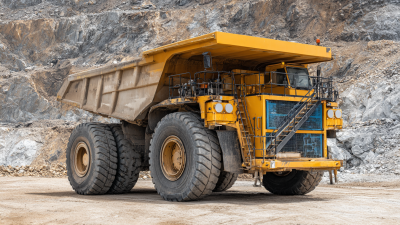
Operating big mining trucks requires a solid understanding of their mechanics and handling characteristics. Knowledgeable operators can significantly impact productivity and safety. Adapting to the truck’s size is vital; every maneuver requires caution. Begin with a thorough pre-operation inspection. Check fluid levels, tire conditions, and brakes. A small issue can escalate quickly in such a large vehicle.
Prioritize training and experience. Familiarize yourself with the truck's controls and response time. Practice navigating diverse terrains. Each environment presents its challenges. Understanding weight distribution is also crucial. Load management can affect performance. Overloading may lead to decreased stability.
Always remain aware of your surroundings. Blind spots can be hazardous. Use technology to aid visibility when possible. Communication with ground personnel is essential. Establish clear signals. Reflect on past mistakes to improve future operations. Embrace a learning mindset. Each shift provides new lessons for effective truck operation.
Key Safety Protocols When Operating Large Mining Trucks
Operating large mining trucks requires adherence to strict safety protocols to protect operators and equipment. One important rule is to conduct thorough pre-operation inspections. Checking brakes, lights, and tire conditions is crucial. Ignoring these checks can lead to accidents. Operators should also verify that load capacities are understood and adhered to avoid tipping or equipment damage.
During operation, maintaining a safe distance from other vehicles enhances safety. This allows more time to react to sudden changes in the environment. It's essential to use proper signaling when maneuvering. Whether turning or reversing, clear communication with team members is vital. In high-stress scenarios, it's easy to overlook basic protocols. Operators must remain vigilant and focused. Distractions can lead to dangerous mistakes.
Emergency procedures should be well-practiced. In case of equipment failure, knowing the protocol can save lives. Regular training sessions help reinforce these protocols. Reflection on past incidents can inform better practices. Operators should examine what went wrong and seek improvements. Learning from experiences, both good and bad, is a cornerstone of safety in mining truck operations.
10 Essential Tips for Operating Big Mining Trucks Effectively - Key Safety Protocols When Operating Large Mining Trucks
| Tip Number |
Safety Protocol |
Description |
| 1 |
Pre-Operation Inspection |
Conduct a thorough check on the truck's condition before starting. |
| 2 |
Wear Protective Gear |
Always wear hard hats, gloves, and high-visibility vests. |
| 3 |
Know the Terrain |
Familiarize yourself with the route and any hazards. |
| 4 |
Maintain Proper Speed |
Adhere to speed limits to ensure safety on rough terrains. |
| 5 |
Clear Communication |
Use radios to stay in contact with your team and notify of changes. |
| 6 |
Load Management |
Distribute load evenly to maintain truck stability. |
| 7 |
Stay Alert |
Avoid distractions and remain focused on the task at hand. |
| 8 |
Proper Training |
Ensure all operators are properly trained on truck operation. |
| 9 |
Emergency Procedures |
Be familiar with emergency protocols and first aid. |
| 10 |
Regular Maintenance |
Adhere to a schedule for mechanical checks and repairs. |
Techniques for Efficient Fuel Management in Mining Operations
Efficient fuel management is crucial for mining operations. Large trucks consume significant amounts of fuel daily. Managing this resource effectively can lead to substantial cost savings. Using advanced monitoring systems helps track fuel usage accurately. Operators need to understand their truck’s fuel efficiency. Small adjustments can lead to bigger gains.
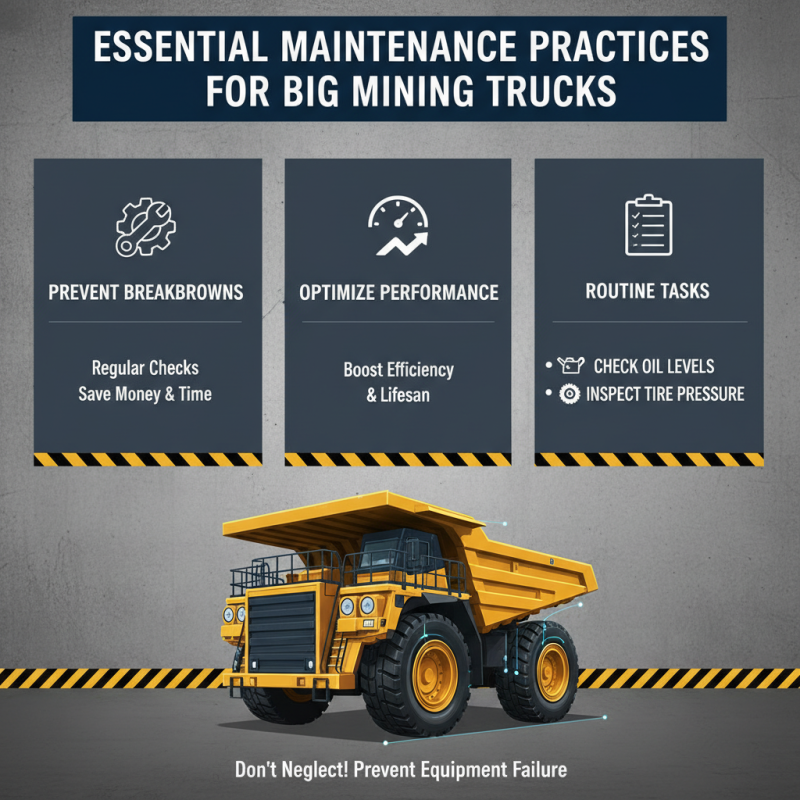
Regular maintenance of trucks is essential. Dirty filters can increase fuel consumption. Operators should inspect filters frequently and replace them when necessary. Driver training also plays a critical role. Well-trained drivers tend to drive more efficiently. They understand the importance of maintaining steady speeds. This reduces fuel wastage and enhances productivity.
In terms of fuel type, quality matters. Subpar fuel can harm trucks and increase maintenance costs. Monitoring fuel quality prevents potential damage. Reflecting on these aspects can reveal gaps in operations. Regular audits may be necessary to identify waste. While challenges exist, addressing them leads to more efficient mining operations.