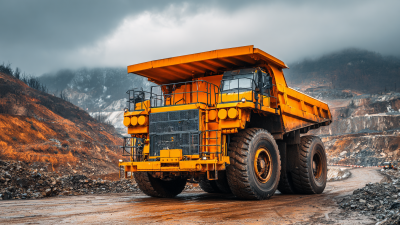
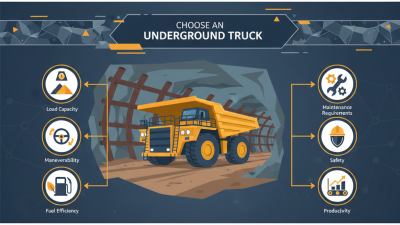
Why Choose Electric Mining Truck for Sustainable Mining?
The mining industry faces significant challenges in its pursuit of sustainability. Among these challenges are the high carbon emissions from traditional diesel-powered trucks. A shift towards Electric Mining Trucks could drastically reduce these emissions and boost overall efficiency. According to a report by the International Energy Agency, electric vehicles could reduce greenhouse gas emissions by up to 70% in various sectors, including mining.
Expert David Walker, a leading authority on sustainable mining solutions, states, "Electric Mining Trucks represent a pivotal change, offering cleaner alternatives for transporting materials." The transition to electric trucks signals a vital step towards greener practices. While some may question the high initial investment, the long-term savings on fuel and maintenance cannot be ignored.
However, the adoption of Electric Mining Trucks is not without its hurdles. Infrastructure for charging and battery disposal remains underdeveloped in many mining regions. Companies must consider these challenges seriously. Despite these obstacles, the potential benefits, such as reduced operating costs and a lower carbon footprint, make the move towards electric trucks an intriguing option for the future.
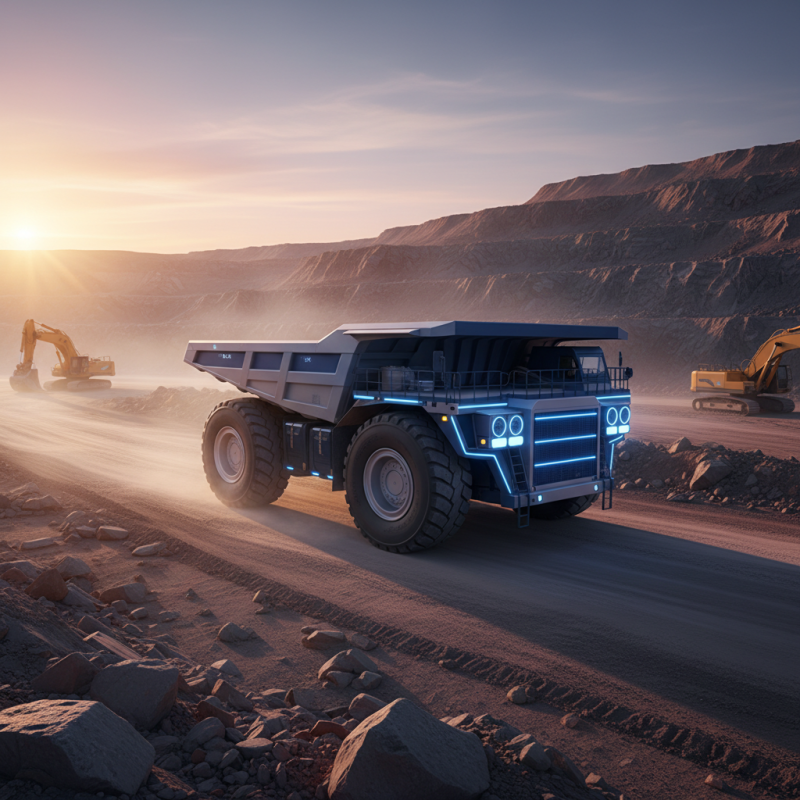
Benefits of Electric Mining Trucks in Reducing Greenhouse Gas Emissions
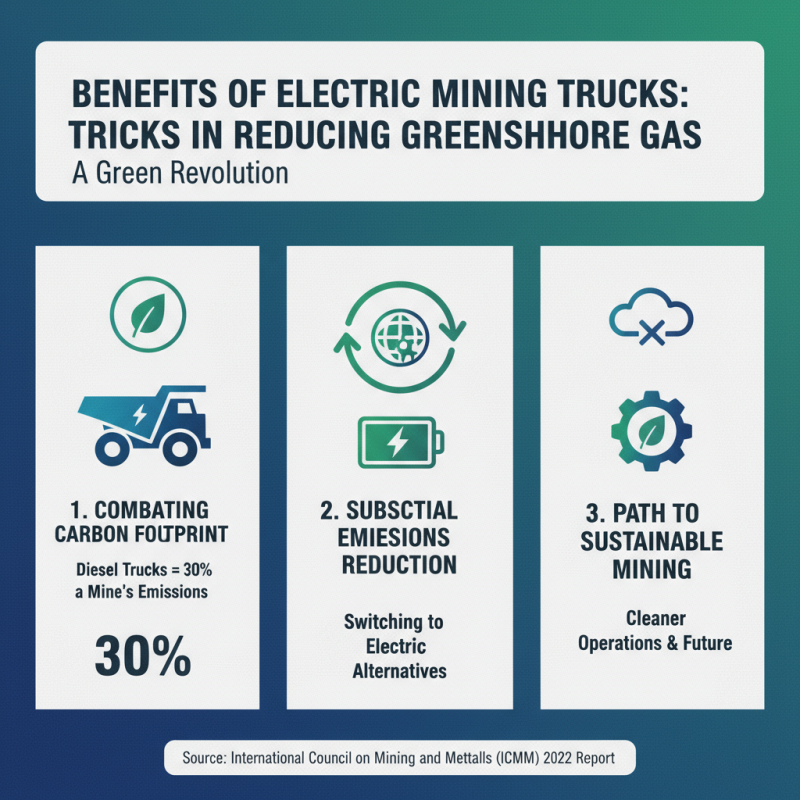
Electric mining trucks are emerging as a significant solution for sustainable mining practices. These vehicles offer a concrete way to cut down greenhouse gas emissions. According to a 2022 report by the International Council on Mining and Metals, diesel-powered trucks contribute to roughly 30% of a mine’s total carbon footprint. By switching to electric alternatives, companies can reduce their emissions substantially.
Electric trucks produce zero tailpipe emissions. This shift can lead to improved air quality for workers and surrounding communities. Data from the Global Mining Guidelines Group highlights that incorporating electric vehicles can lower greenhouse gas emissions by up to 70% when compared to diesel trucks. This reduction represents an essential step toward meeting global climate targets.
Tips: Consider energy sources. The sustainability of electric trucks also depends on how the electricity is generated. Transitioning to renewable energy sources enhances their environmental benefits. Assessing the long-term costs is vital too. Initial investments might be high, but savings on fuel can be significant over time.
But it's not all perfect. Infrastructure for charging electric trucks needs development. Many mining sites are not ready for this change. There can be resistance to adopting new technologies, leading to debate. Continuous evaluation and adaptation are necessary for a successful transition to electric mining.
Comparative Analysis of Operating Costs: Electric vs. Diesel Mining Trucks
Electric mining trucks are gaining attention in the industry. They promise lower operational costs compared to diesel trucks. Analysis shows that electricity costs, although fluctuating, are generally more stable than diesel prices. This stability can lead to predictable budgeting over time.
Operating electric trucks involves less maintenance. Fewer moving parts mean reduced wear and tear. However, battery life and charging infrastructure can be limiting factors. Some mines are not yet equipped to support extensive electric vehicle fleets. This uneven readiness can slow down transitions to electric solutions.
Environmental impact is a major consideration. Electric trucks produce no emissions on-site. This contributes to cleaner air around mines. However, the source of electricity must be evaluated. If generated from fossil fuels, the sustainability claim weakens. Balancing cost efficiency and environmental responsibility requires ongoing reflection. It's a complex decision that varies by operation.
Battery Technology Advances Driving Efficiency in Electric Mining Trucks
The electric mining truck is revolutionizing the mining industry. Battery technology advances are a key driver of this shift. Modern batteries are lighter and more efficient. These innovations enhance the performance of electric trucks. They can travel longer distances and carry heavier loads. This leads to reduced downtime and increased productivity in mining operations.
Tips: Consider investing in energy management systems. They can help optimize battery usage. Regularly monitor battery health to ensure peak performance. Scheduled maintenance is essential.
The transition to electric mining trucks is not without challenges. Infrastructure for charging needs improvement. Some sites may lack adequate power sources. Additionally, the initial cost can be a barrier for many operations. Finding a balance between costs and benefits is critical for sustainability. It's important to analyze the long-term savings and environmental impact.
Why Choose Electric Mining Truck for Sustainable Mining? - Battery Technology Advances Driving Efficiency in Electric Mining Trucks
| Dimension |
Traditional Diesel Truck |
Electric Mining Truck |
| CO2 Emissions (kg/h) |
60 |
0 |
| Operational Cost (USD/h) |
150 |
90 |
| Battery Capacity (kWh) |
N/A |
600 |
| Average Range (km) |
300 |
300 |
| Load Capacity (tons) |
200 |
200 |
| Noise Level (dB) |
85 |
55 |
Case Studies: Successful Implementation of Electric Mining Fleets
Electric mining trucks are gaining traction in the industry. Their adoption has led to notable case studies showcasing their effectiveness. One such instance is a large mining operation that transitioned from diesel to electric fleets. They reported a significant reduction in operating costs and carbon emissions. The trucks' quiet operation also minimized noise pollution, benefiting nearby communities.
In another case, a mining site in a remote area faced challenges with fuel logistics. The introduction of electric trucks addressed these issues. However, workers initially hesitated. They needed time to adjust to the new technology. Despite this, training programs helped ease the transition. The change ultimately enhanced productivity and safety.
Implementing electric fleets is not flawless. Some areas lack charging infrastructure. Maintenance of electric trucks can differ significantly from traditional vehicles. Nonetheless, the potential benefits are clear. These projects illustrate a step forward in sustainable mining practices. The industry must continue to adapt and refine its approach to fully realize these advantages.
Future Outlook: Regulatory Trends Favoring Electric Mining Solutions
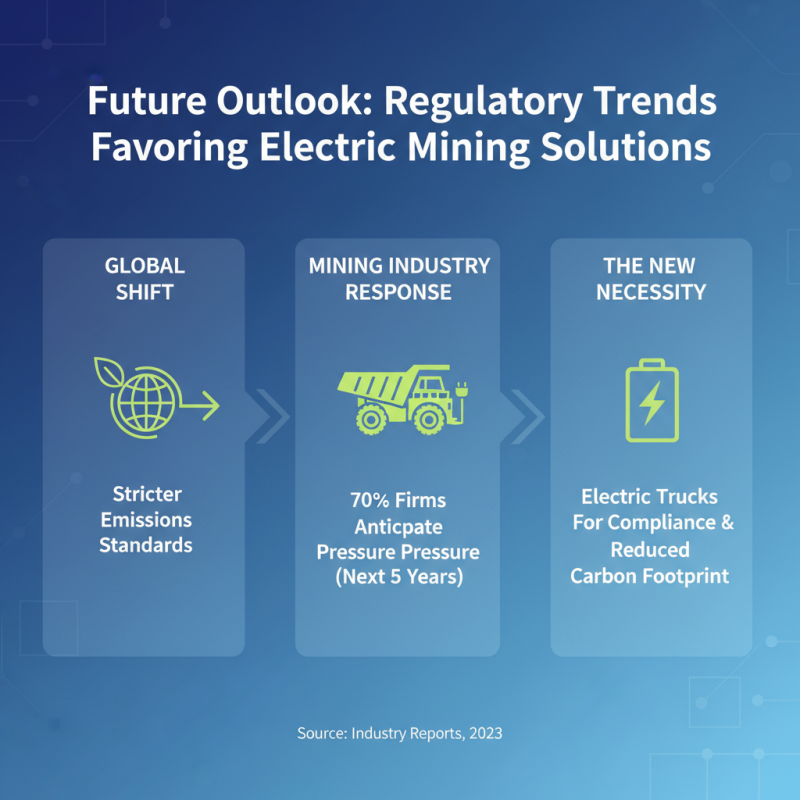
The regulatory landscape is shifting towards electric mining solutions. Governments are setting stricter emissions standards. For instance, recent reports indicate that over 70% of mining firms anticipate regulatory pressure will increase within the next five years. This trend aligns with global efforts to reduce carbon footprints, making electric trucks not just an option but a necessity for compliance.
Electric mining trucks can significantly reduce greenhouse gas emissions. According to a study by the International Council on Mining and Metals, these trucks can cut emissions by up to 90%. However, the transition is not without its challenges. Infrastructure for charging and maintenance is still developing in many regions. Companies must invest in training their workforce for these new technologies.
Tip: Consider the long-term cost of ownership versus initial investment. While electric trucks may require a higher upfront cost, they can lead to savings on fuel and maintenance. Balancing these factors can enhance sustainability. The future of mining hinges on adapting to these regulations. Ensuring strategic planning can provide a competitive edge.