How to Choose the Right Underground Haul Truck for Your Needs?
Choosing the right Underground Haul Truck is crucial for any mining or construction operation. These trucks play a vital role in transporting materials efficiently through underground tunnels. With various options on the market, making a decision can be overwhelming. Factors like load capacity, engine power, and maneuverability need careful consideration.
Many users face challenges in selecting a suitable model. Sometimes, they focus solely on price, neglecting other critical features. The right truck should match specific operational needs. A well-chosen Underground Haul Truck enhances productivity and safety but can also lead to costly mistakes if not properly evaluated.
It's essential to reflect on what best fits your project. Think about the terrain and types of materials you'll be handling. Each operation has unique challenges. Therefore, understanding these aspects is key to making an informed decision. Selecting the ideal truck goes beyond just specifications; it involves understanding your specific requirements and potential operational hurdles.
Understanding the Different Types of Underground Haul Trucks Available
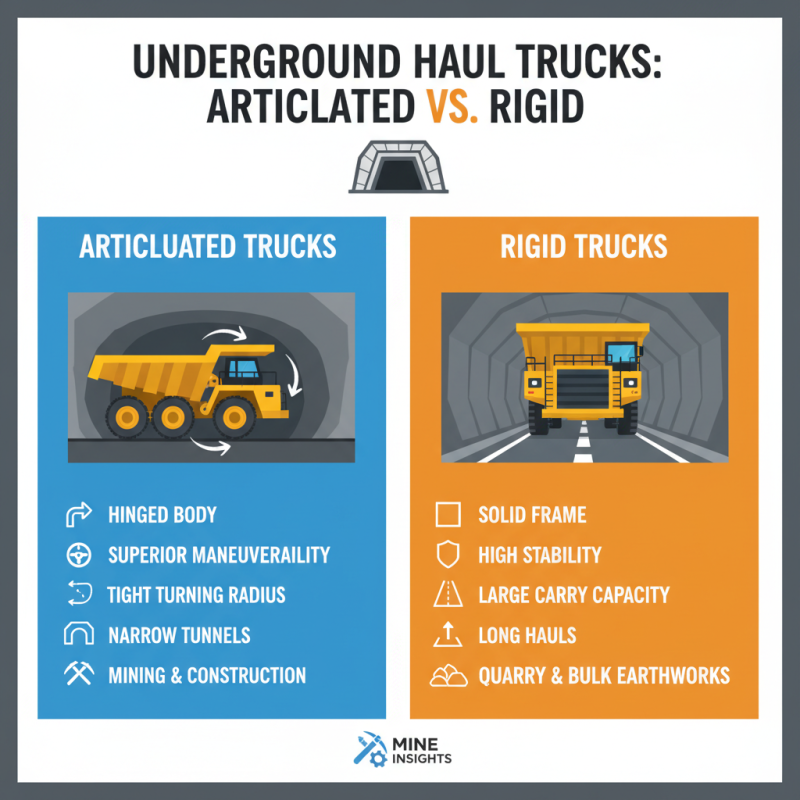
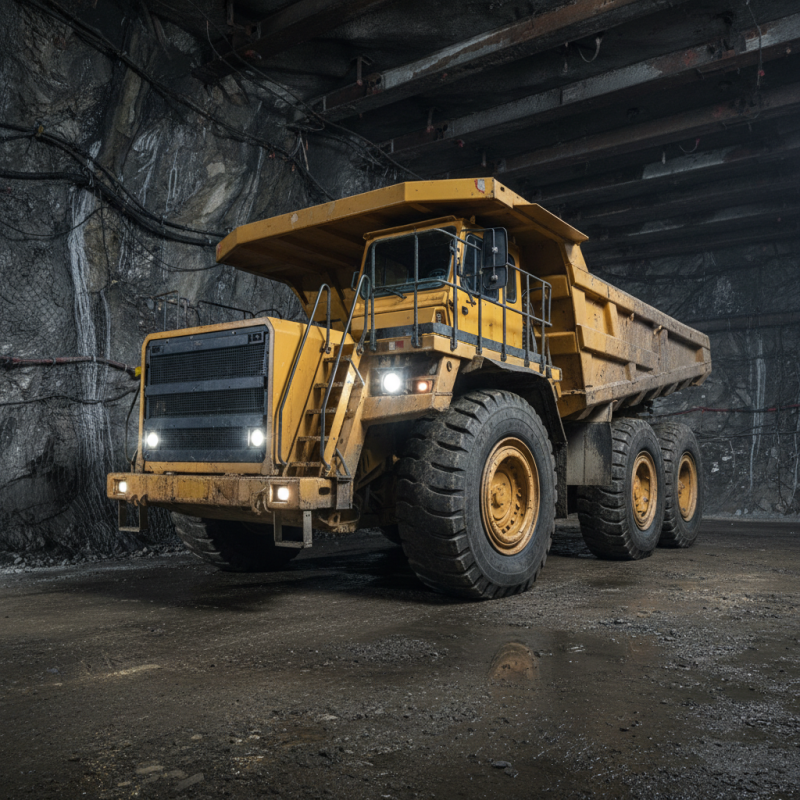
When selecting an underground haul truck, it's essential to understand the different types available. Generally, there are two primary categories: articulated and rigid trucks. Articulated trucks feature a hinge between the cab and the trailer, allowing for greater maneuverability. They excel in tight spaces, ideal for mining operations with narrow tunnels.
On the other hand, rigid trucks maintain a solid frame, offering higher payload capacities. They are well-suited for moving large quantities of material over longer distances. However, their size can limit access in confined areas. This means choosing a type of truck depends on the specific layout and requirements of your mining site.
Consider also the operating environments. Trucks designed for wet conditions may include features to prevent slippage. Dusty environments may require enhanced filtration systems. Each feature impacts performance and efficiency, begging the question: are you prioritizing durability or flexibility? Balancing these choices can be challenging, and reflective analysis is key.
Assessing Your Operational Needs and Environmental Conditions
When selecting the right underground haul truck, understanding your operational needs is crucial. Assess the type of material you will transport. Is it stable rock or loose soil? Different materials require different truck capabilities. Consider the weight capacity as well. A truck that is too small will be inefficient, while one that is too big can be challenging to maneuver.
Environmental conditions also play a vital role. The depth and width of tunnels influence your choice. Tight spaces may necessitate a smaller vehicle. Additionally, think about the terrain. Sloped areas might require trucks with better traction. Often overlooked are the operating temperatures. Extreme conditions can affect performance and durability.
Remember to evaluate the infrastructure too. Will the truck navigate your existing paths? Sometimes, a truck that performs well on paper does not fit in practice. Reflect on your team’s experience as well. Operators familiar with specific trucks can enhance productivity. Balancing all these factors is not easy. Each decision may lead to trade-offs, demanding careful thought.
Evaluating Truck Capacity and Load Requirements for Efficiency
Choosing the right underground haul truck depends heavily on evaluating capacity and load requirements. Efficiency is paramount in the mining industry, where trucks can carry materials like ore or rock. A recent industry report indicates that trucks with a payload capacity of 40 tons can enhance productivity by 25% in certain operations. This level of efficiency can significantly impact overall project timelines.
Load requirements vary with different mining environments. For instance, a mine with steep gradients may require a truck with better power-to-weight ratios. These conditions can render some trucks inefficient. Additionally, the deterioration of trucking components due to excessive wear might lead to increased operational costs. Companies should also consider factors such as terrain and material density when selecting a truck.
It's essential to analyze specific needs before making a decision. Many businesses overlook how the wrong choice can lead to inefficiencies. Misestimating load requirements can cause delays and increase downtime. Sometimes, smaller trucks are more maneuverable. They may be a better fit in tight spaces, despite a lower load capacity. Balancing these details can reveal better options than initially anticipated.
How to Choose the Right Underground Haul Truck for Your Needs?
| Truck Model |
Payload Capacity (tons) |
Volume Capacity (m³) |
Engine Power (HP) |
Weight (kg) |
Optimal Application |
| Model A |
30 |
20 |
500 |
25,000 |
Underground Mining |
| Model B |
40 |
28 |
600 |
30,000 |
Heavy Load Transport |
| Model C |
25 |
15 |
450 |
20,000 |
Cross-Domain Use |
| Model D |
35 |
22 |
550 |
27,500 |
Construction Sites |
Exploring Key Features and Technologies in Modern Haul Trucks
Choosing the right underground haul truck requires understanding modern features and technologies. Many trucks now offer electric and hybrid options, aiming for reduced emissions. These alternatives have a smaller carbon footprint. They are crucial in closed environments where air quality matters.
Safety is another significant concern. Advanced navigation systems and automated braking help prevent accidents. Some trucks utilize real-time data to monitor performance, enhancing overall safety. However, not all systems are flawless. Operators need proper training to maximize these technologies.
Payload capacity is vital. Modern trucks can handle heavier loads, but it is important to assess the specific needs of your operation. Some trucks may excel in certain terrain, while others may fall short. Regular maintenance is essential to keep the trucks running smoothly. Skipping routine checks could lead to costly downtime.