2025 How to Choose the Right Massive Mining Trucks for Maximum Efficiency and Profitability
In the ever-evolving landscape of mining operations, the selection of the right equipment is crucial for achieving maximum efficiency and profitability. Among the most significant investments that operators make are Massive Mining Trucks, which play a pivotal role in the transportation of materials from mines to processing plants. Choosing the appropriate trucks entails understanding various factors such as payload capacity, fuel efficiency, and durability to ensure that they meet the specific demands of the mining environment.
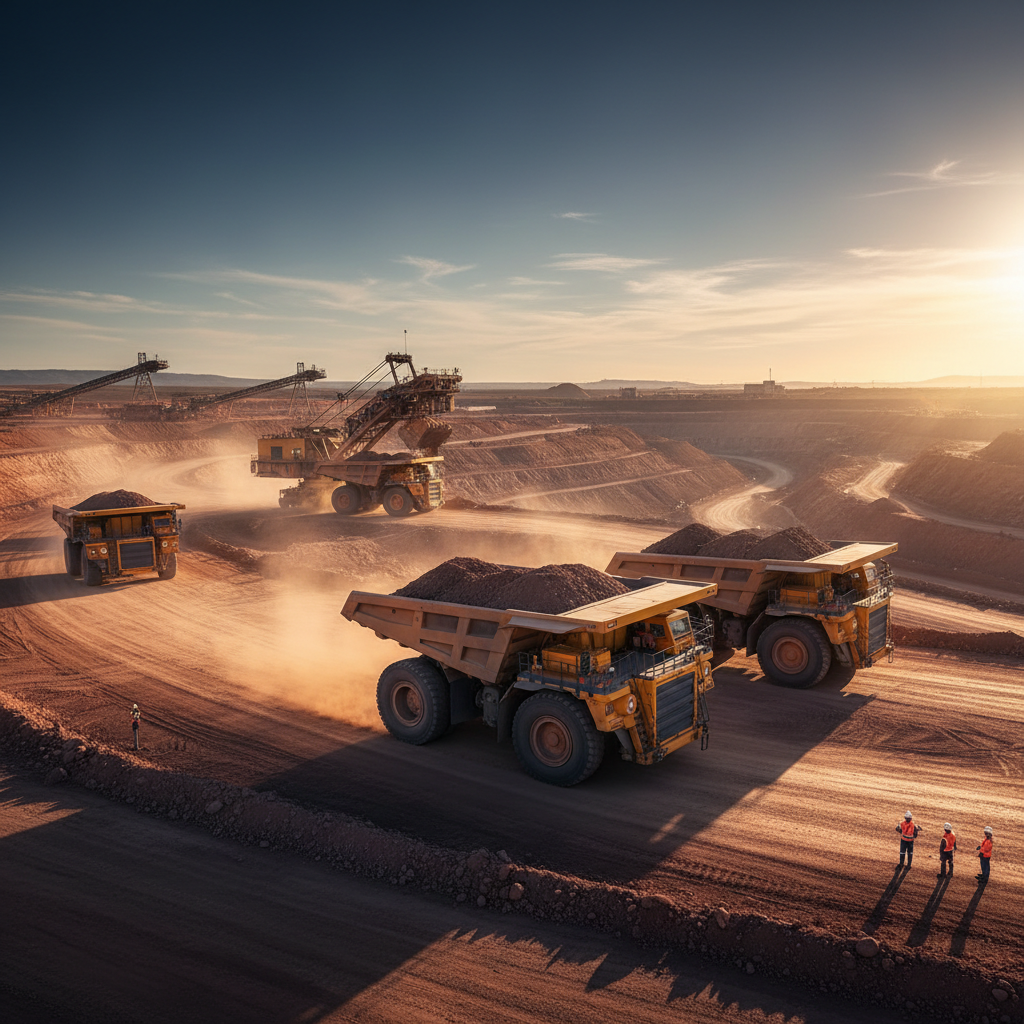
As the demand for minerals continues to rise, so does the competition within the mining sector. The integration of technologically advanced Massive Mining Trucks not only enhances operational productivity but also significantly reduces long-term costs. Companies must conduct thorough research and benchmark different models against their operational requirements to make informed decisions that align with their strategic goals.
In this guide, we will explore the essential aspects of selecting Massive Mining Trucks that not only maximize efficiency but also enhance profitability. From evaluating the technical specifications to understanding maintenance and support systems, we aim to provide a comprehensive approach that empowers mining operators to make strategic choices tailored to their unique operational challenges.
Identifying Key Factors for Selecting Massive Mining Trucks in 2025
When selecting massive mining trucks for optimal efficiency and profitability in 2025, several key factors must be considered. First and foremost is the truck's payload capacity. According to a report by the International Institute of Mining (IIM), trucks with a capacity exceeding 300 tons have demonstrated a 15% increase in operational efficiency compared to those in the 200-ton range. This underscores the importance of choosing a model that can handle the specific demands of your mining operations while reducing the number of trips needed to transport materials.
Another critical factor is the fuel efficiency of the trucks. A recent study from Mining Engineering Journal highlighted that advancements in hybrid and electric truck options have led to fuel savings of up to 30% in comparison to traditional diesel models. As sustainability becomes increasingly important in the industry, opting for more fuel-efficient trucks can not only reduce operational costs but also enhance a company’s environmental responsibility. Additionally, maintenance and uptime are vital considerations, as trucks with lower maintenance intervals can lead to substantial savings and increased productivity. Understanding these factors will ultimately guide mining companies in making informed decisions that drive performance and profitability.
Massive Mining Trucks Efficiency Comparison in 2025
Comparative Analysis of Truck Types for Optimal Mining Operations
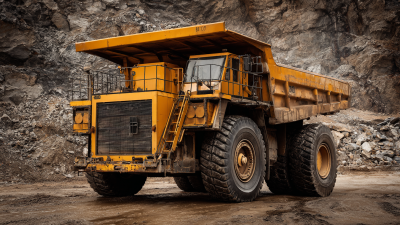
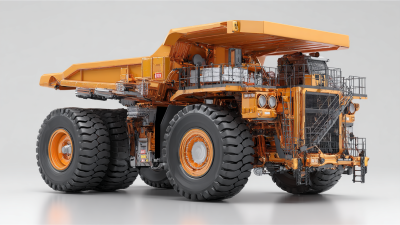
When selecting massive mining trucks for optimal mining operations, it is essential to conduct a comparative analysis of various truck types. Different operations require different specifications, and the choice of truck can significantly influence efficiency and profitability. For instance, rigid haul trucks are typically utilized in large-scale mining due to their high capacity and stability on rough terrains. On the other hand, articulated dump trucks offer greater maneuverability on uneven surfaces, making them suitable for smaller sites.
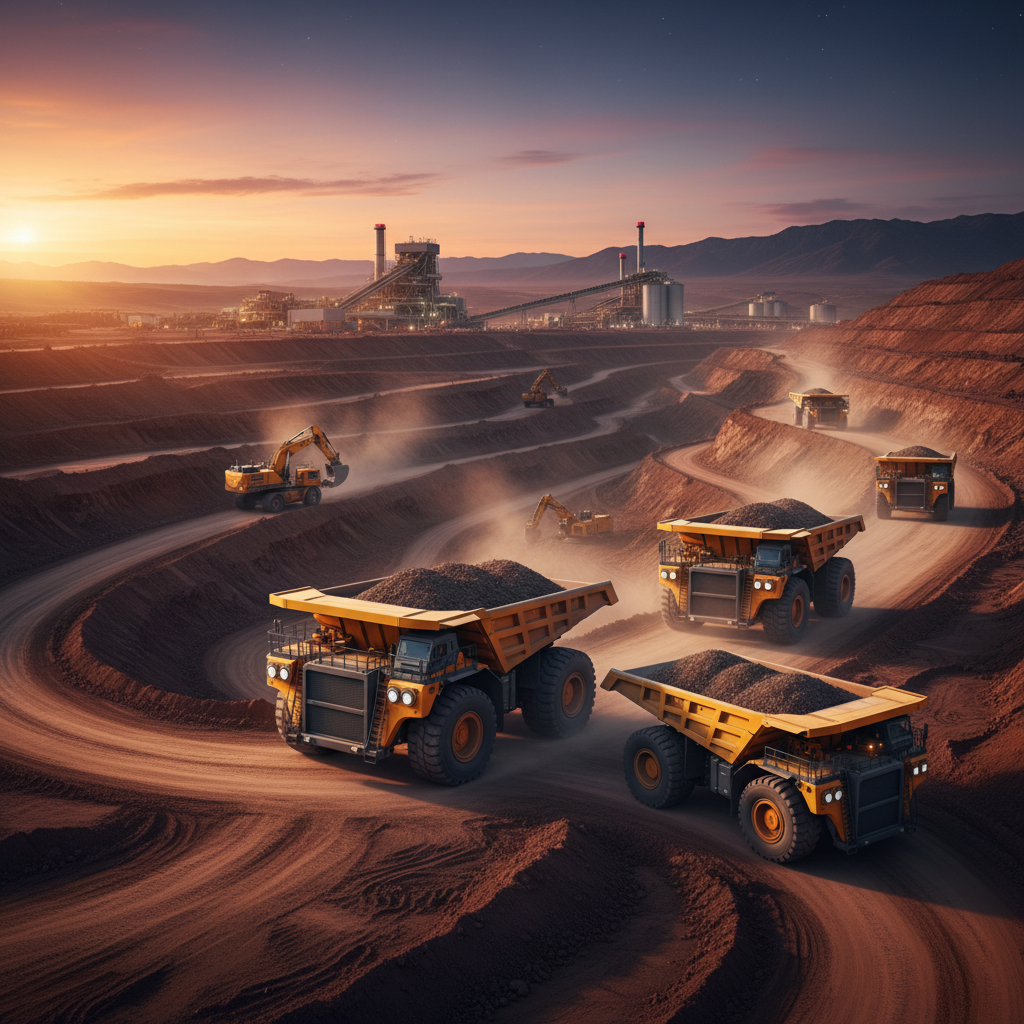
Another critical factor to consider is the fuel efficiency and maintenance cost of the trucks. Electric drive trucks, for example, may have a higher initial purchase price but can lead to lower operational expenses over time due to reduced fuel consumption and fewer moving parts requiring maintenance. Additionally, the adaptability of these trucks to automation technologies could enhance operational efficiency, contributing to long-term profitability. By weighing these factors, operators can make informed decisions that align their truck fleet with operational objectives, ultimately leading to better performance and profitability in the highly competitive mining industry.
Evaluating Fuel Efficiency and Environmental Impact of Mining Trucks
When selecting massive mining trucks, evaluating fuel efficiency and environmental impact is pivotal for optimizing operations. According to the International Council on Mining and Metals (ICMM), the mining sector is responsible for approximately 7% of global greenhouse gas emissions. As the industry faces increasing regulatory pressures and public scrutiny, mining companies are actively seeking more fuel-efficient vehicles to reduce their carbon footprints.
Recent studies indicate that modern mining trucks can achieve fuel efficiencies of up to 15% when utilizing advanced technologies such as hybrid powertrains and smart fleet management systems. For instance, the use of fuel-efficient trucks, such as those equipped with automated transmission systems, can not only lower fuel consumption but also enhance overall operational productivity. Furthermore, companies like Caterpillar report that adopting their latest generation of mining trucks can lead to a reduction of about 50 metric tons of CO2 emissions per truck annually, reinforcing the case for investing in greener solutions to promote sustainability in mining operations. By prioritizing fuel efficiency, operators can significantly improve profitability while contributing to environmental stewardship in the mining sector.
2025 How to Choose the Right Massive Mining Trucks for Maximum Efficiency and Profitability - Evaluating Fuel Efficiency and Environmental Impact of Mining Trucks
| Truck Model |
Load Capacity (tons) |
Fuel Efficiency (liters/100km) |
CO2 Emissions (g/km) |
Operational Cost ($/hour) |
| Model A |
200 |
45 |
1200 |
150 |
| Model B |
250 |
50 |
1300 |
160 |
| Model C |
300 |
55 |
1400 |
170 |
| Model D |
350 |
60 |
1500 |
180 |
Cost-Benefit Assessment of Truck Ownership vs. Leasing Options
When considering the acquisition of massive mining trucks, businesses must undertake a thorough cost-benefit assessment of ownership versus leasing options. Truck ownership entails significant upfront capital investment, maintenance costs, and depreciation concerns, yet it allows companies full control over their assets and the flexibility to customize trucks according to specific operational needs. Ownership can be advantageous for companies that frequently require the trucks for intensive operations, as it enables them to optimize their use in line with production schedules and demand.
On the other hand, leasing presents a viable alternative, particularly for businesses that want to minimize initial expenditures and maintain financial flexibility. Leasing can provide access to the latest truck models equipped with advanced technology without the burden of ownership costs. Additionally, it often includes maintenance services, allowing companies to redirect resources toward other essential operations. However, organizations must carefully analyze their operational requirements and financing capabilities to determine which option promises maximum profitability and efficiency in the long term.
Future Trends in Mining Truck Technology and Features for Enhanced Performance
The mining industry is evolving rapidly, influenced by technological advancements and the seismic shifts in global supply and demand. As we look towards 2025, the emphasis on selecting the right massive mining trucks becomes paramount. Future trends indicate a significant shift towards electric-powered trucks, which promise reduced emissions and operational costs. Innovations in battery technology and automation will enhance efficiency, enabling mining operations to maximize profitability while minimizing environmental impact.
Moreover, the growing importance of data analytics and connectivity in mining truck technology cannot be overlooked. Enhanced performance features, such as real-time monitoring and predictive maintenance, are set to revolutionize operational workflows. These advancements will help companies to not only improve their productivity but also address issues stemming from recent supply chain disruptions. Given the current boom in mineral prices and the pressures from energy crises, investing in advanced truck technology will be critical for mining companies aiming to thrive in the post-pandemic landscape.