How to Choose the Best Autonomous Mining Trucks for Your Needs?
The mining industry is evolving rapidly, with the rise of Autonomous Mining Trucks. These vehicles are transforming operations, improving efficiency, and reducing safety risks. According to a recent report by Research and Markets, the global market for autonomous trucks is expected to reach $3.7 billion by 2026, reflecting a compound annual growth rate (CAGR) of 25%.
Industry expert Dr. Emily Carter states, "The implementation of Autonomous Mining Trucks can lead to significant improvements in productivity and cost reduction." Her insights highlight the necessity of making informed decisions when choosing the right autonomous solution for your mining operations. Each mining site has unique requirements, and selecting the best technology is crucial for maximizing benefits.
As you navigate this evolving landscape, consider factors such as payload capacity, technological compatibility, and operational scalability. Real-world case studies show both success and challenges in deploying these trucks, suggesting that careful evaluation is key. Exploring various models and understanding their limitations will aid in making the right choice. The journey toward optimizing your fleet can be complex but rewarding with the right knowledge and support.
Understanding the Basics of Autonomous Mining Trucks
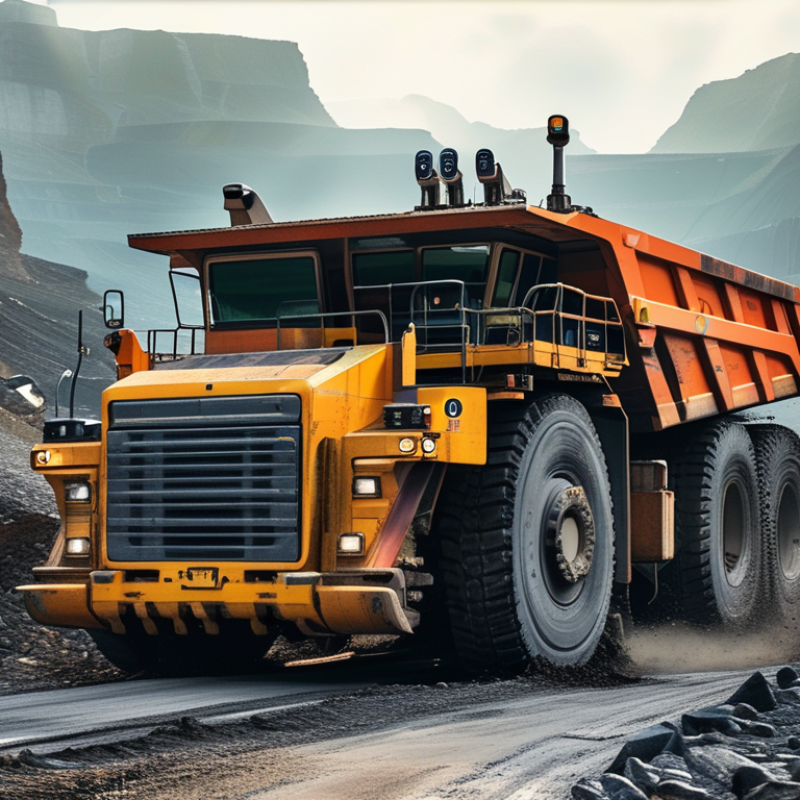
Autonomous mining trucks are transforming the mining industry. Understanding their basics is crucial for any operation. These trucks can significantly reduce operational costs and increase efficiency. According to a report from Global Market Insights, the autonomous mining truck market is expected to reach $2 billion by 2025. This reflects a growing reliance on technology in challenging environments.
These vehicles use advanced sensors and artificial intelligence. They can navigate complex terrains without human intervention. However, deploying these trucks is not without challenges. Accurate mapping of mining sites and regular maintenance is essential. Operators should monitor truck performance and adapt strategies accordingly.
Tips: Before investing, assess the terrain and operation scale. Evaluate whether your site can accommodate autonomous technology. Always prioritize safety and compliance with industry standards. Continuous training for staff is essential. A prepared team helps in managing unexpected issues effectively.
How to Choose the Best Autonomous Mining Trucks for Your Needs?
| Feature |
Description |
Importance Level |
Cost Range (USD) |
| Payload Capacity |
The maximum weight the truck can carry. |
High |
$400,000 - $1,200,000 |
| Battery Life |
Duration the truck can operate before needing a charge. |
Medium |
$100,000 - $300,000 |
| Navigation System |
Technology used for route planning and obstacle avoidance. |
High |
$50,000 - $150,000 |
| Telematics |
Real-time tracking and maintenance monitoring system. |
Medium |
$20,000 - $60,000 |
| Operating Environment |
Conditions where the truck will be used (e.g., terrain, weather). |
High |
N/A |
Evaluating Your Mining Operations and Requirements
Evaluating your mining operations is crucial when selecting the best autonomous mining trucks. Begin by assessing your site conditions, such as terrain and weather patterns. Different environments may require different technical specifications from the trucks. According to a recent report by the International Council on Mining and Metals, 80% of mining operations are affected by logistical challenges that can be mitigated with the right equipment.
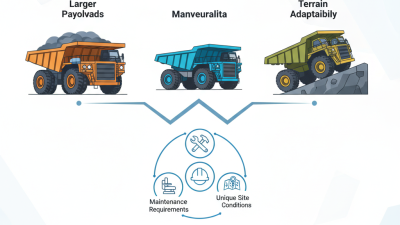
Consider the volume and type of material being transported. Trucks vary in payload capacity, and selecting one that matches your demands can enhance operational efficiency. For example, miners handling bulk materials often benefit from larger capacity trucks. However, these vehicles may have higher operational costs. Be cautious; using oversized trucks in smaller operations can lead to unnecessary expenses.
Tip: Always conduct a thorough cost-benefit analysis before making a decision.
Lastly, ensure that your team is skilled in managing autonomous technology. The advancement in autonomous systems can lead to unexpected challenges. Data from the Society for Mining, Metallurgy & Exploration indicates that nearly 25% of companies experience operational setbacks due to inadequate training. Fostering a knowledgeable workforce can significantly improve the effectiveness of your autonomous mining trucks.
Tip: Provide regular training sessions to keep your team updated with the latest technologies.
Key Features to Consider When Selecting Autonomous Trucks
When selecting autonomous mining trucks, key features should be prioritized to fit specific operational needs. Payload capacity is crucial. Reports indicate that trucks with higher capacities can optimize productivity. A truck capable of carrying 200 tons can significantly reduce the number of trips required. This results in lower operational costs and increased efficiency.
Another important aspect is the terrain adaptability. Autonomous trucks must navigate diverse landscapes. Many industry experts highlight that advanced sensor technologies allow these vehicles to handle challenging conditions. The ability to operate in extreme weather or uneven terrain can minimize downtime. Data suggests that adaptable trucks can reduce logistical delays by up to 30%.
Consider safety features as well. Autonomous trucks should come with robust collision detection systems. A report unveiled that 60% of mining accidents are due to vehicle-related incidents. Investing in trucks with superior safety mechanisms minimizes risks.
Tips: Always review the manufacturer's performance data. Consult user reviews to gauge reliability. Ensure they provide software updates for improvements over time. This helps in selecting trucks that not only meet current needs but also adapt to future challenges. Decision-making should reflect both immediate demands and long-term vision.
Autonomous Mining Trucks Comparison: Key Features
Comparing Leading Brands and Models of Autonomous Mining Trucks
When selecting autonomous mining trucks, understanding the features of different brands and models is crucial. According to a 2022 market report by Global Mining Review, the autonomous trucking segment is expected to grow by 15% annually through 2026. This growth highlights the importance of choosing trucks that align with specific operational needs.
Key metrics to consider include payload capacity, automation level, and operational efficiency. Leading brands often provide payloads ranging from 200 to 400 tons. However, it’s essential to evaluate the terrain and specific mining conditions. For instance, some models excel on smoother surfaces, while others perform better on rugged terrain. The automation technology also differs. Some trucks offer advanced obstacle detection, while others may lack in this area, raising safety concerns.
Maintenance factors are equally important. While autonomous systems reduce labor needs, they require regular software updates and hardware inspections. A study from Mining Magazine indicated that companies could face a 20% increase in operational costs due to unexpected downtimes if their maintenance schedules are not adhered to effectively. Investing in the best autonomous mining truck means considering these variables carefully. Your choice should reflect not only current needs but also future scalability.
Assessing Cost, Efficiency, and Return on Investment
When assessing the cost of autonomous mining trucks, it's essential to consider both upfront and long-term expenses. Reports indicate that initial investments can range from $1 million to $5 million per truck. This figure may seem daunting, but the operational savings can be substantial. Studies show that integrating autonomous trucks can reduce labor costs by up to 50%. They operate efficiently, often running over 22 hours a day, which optimizes productivity.
Efficiency plays a pivotal role in choosing these vehicles. Many fleets report fuel savings of up to 25% due to advanced navigation systems. Moreover, maintenance costs tend to be lower over time, with some studies indicating a 30% reduction in breakdowns. However, the transition to autonomy is not without challenges. Operators may encounter initial training costs and adjustments in workflow. The balance of these factors determines the return on investment, which is projected to improve significantly within three years of adoption.
Key performance indicators such as payload capacity and cycle times also factor into this decision. Autonomous trucks can enhance payload efficiency, increasing overall haul distance. While the technology offers impressive benefits, ongoing evaluations are critical. Understanding the ROI in the context of specific mining operations is essential for making informed choices.