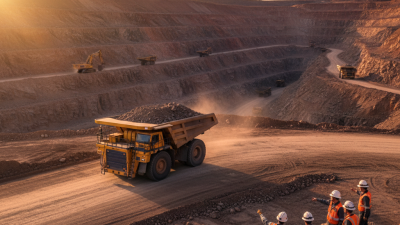
Why Choose an Underground Haul Truck for Your Mining Operations?
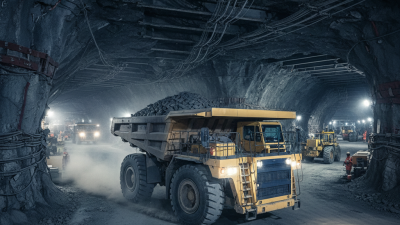
In the mining industry, the choice of equipment can significantly impact operational efficiency. The Underground Haul Truck is increasingly favored for its robust design and adaptability. A report from the International Council on Mining and Minerals highlights that over 50% of mining operations now prioritize underground solutions, driven by safety and cost efficiency.
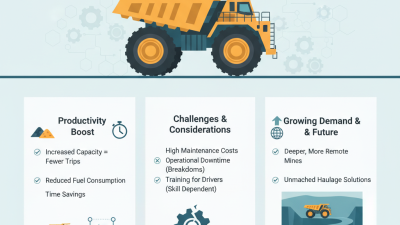
Utilizing an Underground Haul Truck minimizes surface disruption and maximizes the extraction process. According to recent studies, these trucks can improve productivity by up to 30%. Their ability to navigate narrow shafts and complex underground networks makes them indispensable. However, the initial investment might raise concerns. Companies must weigh the long-term benefits against the upfront costs.
The evolving technology in Underground Haul Trucks raises questions about standardization and performance metrics. As more companies adopt these trucks, the industry must focus on best practices. The shift towards electric-powered models could further enhance sustainability but presents challenges in battery management. Continuous innovation is essential for maintaining competitiveness and safety standards.
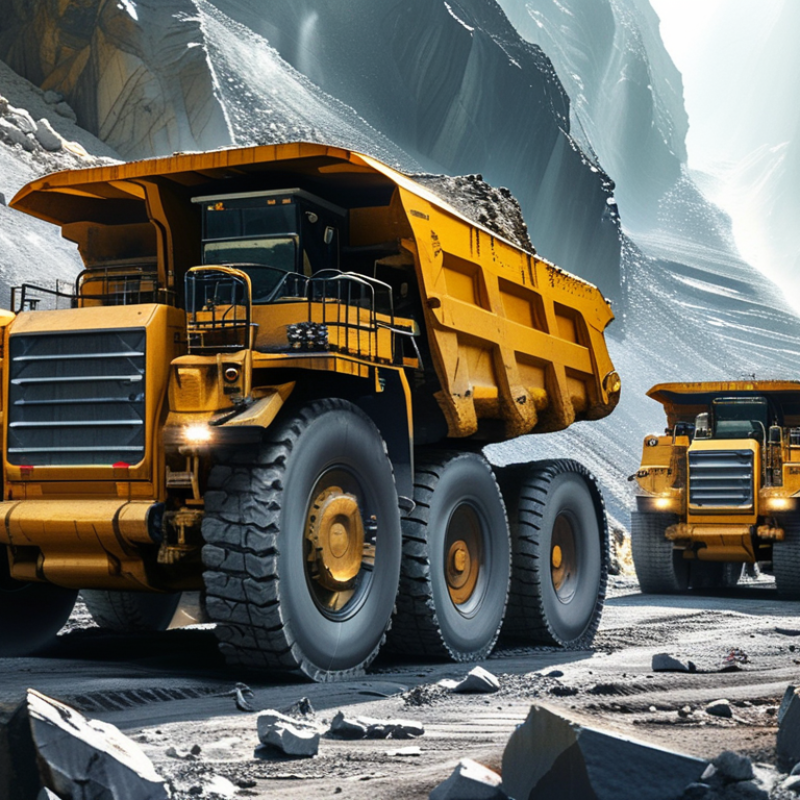
Benefits of Underground Haul Trucks in Mining Operations
Underground haul trucks are essential in mining operations. They offer several benefits that enhance productivity and safety. A study by the Mining Industry Research Organization indicates that the use of these trucks can increase mining efficiency by up to 30%. This is significant for operations aiming to maximize output while keeping costs in check.
Safety is a primary concern in mining. Underground haul trucks are designed with safety features that reduce the risk of accidents. For example, many trucks come equipped with advanced braking systems and rollover protection. Data shows that implementing these trucks can lower incident rates by around 15%. Workers can rely on these vehicles to transport materials safely in complex underground environments.
However, not all mining operations fully leverage this technology. Some companies still depend on outdated transportation methods, which can lead to delays and higher operational costs. Moreover, the initial investment in underground haul trucks can be substantial. It requires careful consideration of long-term benefits versus short-term expenses. This balance is crucial for sustainable mining operations, and companies must continually assess their equipment choices.
Benefits of Underground Haul Trucks in Mining Operations
This chart illustrates the key benefits of using underground haul trucks in mining operations, rated on a scale from 1 to 10. Underground haul trucks significantly enhance efficiency and safety while also reducing environmental impacts, resulting in cost savings and improved maneuverability.
Key Features of Underground Haul Trucks for Efficiency
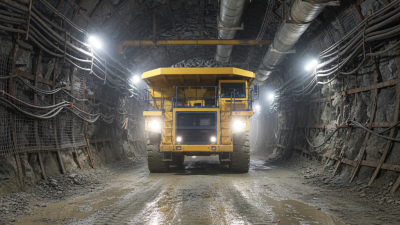
Underground haul trucks are vital for mining operations. Their design focuses on maximizing efficiency in confined spaces. A recent report from the International Council on Mining and Metals indicates that efficient haulage systems can increase productivity by up to 30%. These trucks navigate narrow tunnels and steep grades, essential for optimal ore extraction.
Key features of underground haul trucks include robust engines, specialized suspensions, and compact dimensions. The powerful engines provide consistent performance, allowing trucks to handle heavy loads without sacrificing speed. Their advanced suspension systems absorb shocks, minimizing wear on both the truck and the tunnel infrastructure. Additionally, many models are equipped with articulated steering systems, which help maneuver in tight conditions.
Maintenance is also a crucial consideration. Data shows that proper maintenance can reduce operational costs by 15%. However, underground conditions often complicate routine checks. Operators must be trained to identify potential issues quickly. Despite these challenges, the advantages of underground haul trucks are significant. They represent a strategic investment in the productivity and safety of mining operations.
Comparison of Underground vs. Surface Haul Trucks
When comparing underground haul trucks to surface haul trucks, several key factors arise. Underground trucks are designed to navigate confined environments. Their compact size allows for maneuverability in tight spaces, which is crucial in deep mining operations. They often have a lower center of gravity, enhancing stability while traversing uneven terrain.
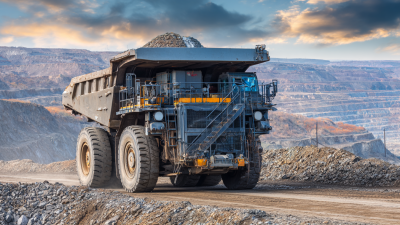
Surface haul trucks, while generally larger and capable of carrying more payload, face limitations in confined spaces. They excel in open pit mining, transporting materials over longer distances. However, they may struggle with steep gradients. This can impact efficiency during operations. Underground trucks address this by featuring specialized engines that operate efficiently in restricted areas.
Another consideration is operational cost. Underground trucks often have higher upfront costs. Yet, they can reduce overall operational expenses through improved fuel efficiency. Longevity and lower maintenance frequencies can also contribute to cost savings over time. The choice between these two types of trucks largely depends on the specific mining conditions and logistical requirements. Ultimately, selecting the right truck is essential for optimizing mining productivity and safety.
Why Choose an Underground Haul Truck for Your Mining Operations? - Comparison of Underground vs. Surface Haul Trucks
| Feature |
Underground Haul Truck |
Surface Haul Truck |
| Maneuverability |
High, designed for narrow tunnels |
Moderate, suited for open areas |
| Payload Capacity |
Up to 45 tons |
Up to 400 tons |
| Operational Depth |
Up to 3000 meters underground |
Limited depth, usually just surface level |
| Maintenance Requirements |
Higher, due to harsh conditions |
Lower, more accessible |
| Fuel Efficiency |
Moderate, typically diesel or electric |
Higher, especially with larger engines |
| Cost |
Higher initial cost |
Lower initial cost |
Safety Considerations for Using Underground Haul Trucks
Underground haul trucks play a vital role in mining operations. However, safety must always be a priority. These trucks navigate through narrow tunnels, where visibility and maneuverability can be challenging. Operators face unique risks, including low ceilings and unstable ground. Proper training and awareness of these risks are essential.
Regular maintenance checks help ensure the vehicles function safely. Degraded parts can lead to failures, causing accidents. Additionally, the driver must be vigilant of their surroundings. Communication systems should be in place, reducing the likelihood of collisions. However, even with precautions, accidents can happen. These incidents often highlight gaps in safety protocols that need addressing.
Dust and exhaust fumes in underground environments can affect health. Proper ventilation systems are crucial, yet they are often overlooked. Workers should use appropriate personal protective equipment to mitigate risks. Continuous training and monitoring are necessary to create a safer work environment. Despite the challenges, prioritizing safety can lead to more effective operations and better outcomes.
Cost-Effectiveness of Underground Haul Trucks in Mining Industries
Underground haul trucks present a compelling case for mining operations focused on cost-effectiveness. These trucks are designed to operate efficiently in confined underground spaces. Their robust construction ensures durability, minimizing maintenance costs over time. Each haul truck can transport significant loads, optimizing material movement within the mine.
Choosing these trucks can lead to substantial savings. Their fuel efficiency often surpasses traditional mining vehicles. This translates to lower operational costs and reduced carbon footprints. Moreover, they require fewer operators, cutting down on labor expenses. However, their initial investment can be significant, requiring careful financial planning.
Adopting underground haul trucks is not without challenges. Operators must receive proper training to maximize efficiency. Additionally, the decision to transition from older models raises questions about cost versus benefit. It's essential to evaluate long-term efficiency against upfront costs. Continuous assessment can help ensure these trucks meet the evolving demands of mining operations.