How to Choose the Right Electric Haul Trucks for Your Mining Operations
When it comes to optimizing mining operations, the choice of equipment is paramount to achieving efficiency and sustainability. Among the various options available, Electric Haul Trucks have emerged as a game-changer in the industry. These innovative vehicles not only contribute to reducing the overall carbon footprint but also offer significant operational cost savings and enhanced performance capabilities. Understanding how to select the right Electric Haul Trucks is essential for mining companies aiming to maximize productivity while adhering to environmental regulations.
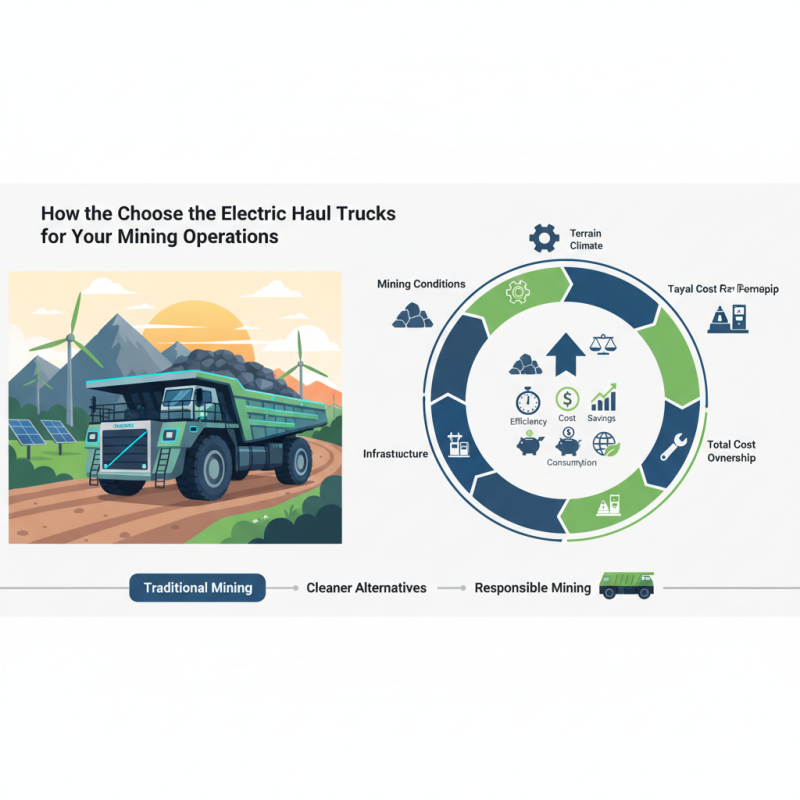
The decision-making process involves evaluating several factors, including the specific mining conditions, payload requirements, and the infrastructure in place. Furthermore, it is crucial to consider the total cost of ownership, including maintenance and energy consumption, to make informed choices that align with long-term operational goals. By focusing on these key criteria, mining operators can ensure they invest in Electric Haul Trucks that will support their operational needs and sustainability initiatives effectively. As the industry continues to shift towards cleaner alternatives, the right selection of Electric Haul Trucks will not only drive results but also pave the way for a more responsible mining future.
Understanding the Basics of Electric Haul Trucks in Mining
Electric haul trucks are transforming the mining industry, offering a cleaner and more efficient alternative to traditional diesel-powered vehicles. These trucks utilize electric motors powered by batteries or overhead electric lines, significantly reducing greenhouse gas emissions and operational costs. Understanding the fundamentals of electric haul trucks is vital for mining operators looking to enhance their sustainability efforts and improve productivity.
One essential aspect to consider is the technology behind electric haul trucks. Many of these vehicles feature advanced battery systems that enable longer operational periods between charges and quicker charging times. Additionally, regenerative braking technology allows trucks to recover energy when slowing down, further enhancing efficiency. The design and capacity of the trucks also play a crucial role, as they must be tailored to the specific requirements of the mining environment, including load capacity, terrain conditions, and working hours.
Moreover, when selecting electric haul trucks for mining operations, operators must assess the total cost of ownership, including maintenance, charging infrastructure, and potential subsidies for electric vehicle adoption. Understanding these factors can help mining companies make informed decisions that align with both their operational goals and environmental commitments. By embracing electric haul trucks, the mining sector can significantly contribute to a more sustainable future while also optimizing performance in their operations.
Key Factors to Consider When Selecting Electric Haul Trucks
When selecting the right electric haul trucks for mining operations, it is crucial to consider several key factors that can significantly impact efficiency and productivity. First, the truck's payload capacity should match the specific requirements of the mine. Understanding the weight of the materials to be transported and the gradients of the mining site will help in selecting a vehicle that can handle the load without compromising performance. A well-matched capacity ensures that the trucks operate within their optimal range, minimizing wear and maximizing uptime.
Another important factor is battery performance and charging infrastructure. Electric haul trucks depend on reliable battery systems to provide the necessary range and power throughout their operation. Evaluating the truck's battery life, recharge time, and overall energy efficiency is essential. Additionally, consider the availability of charging stations within the mine site. Ensuring that these infrastructure elements are in place can prevent operational hiccups, allowing for continuous operation and enhanced productivity. With advancements in technology, exploring options that offer fast-charging capabilities can also bolster operational efficiency.
Evaluating Performance and Efficiency for Your Mining Needs
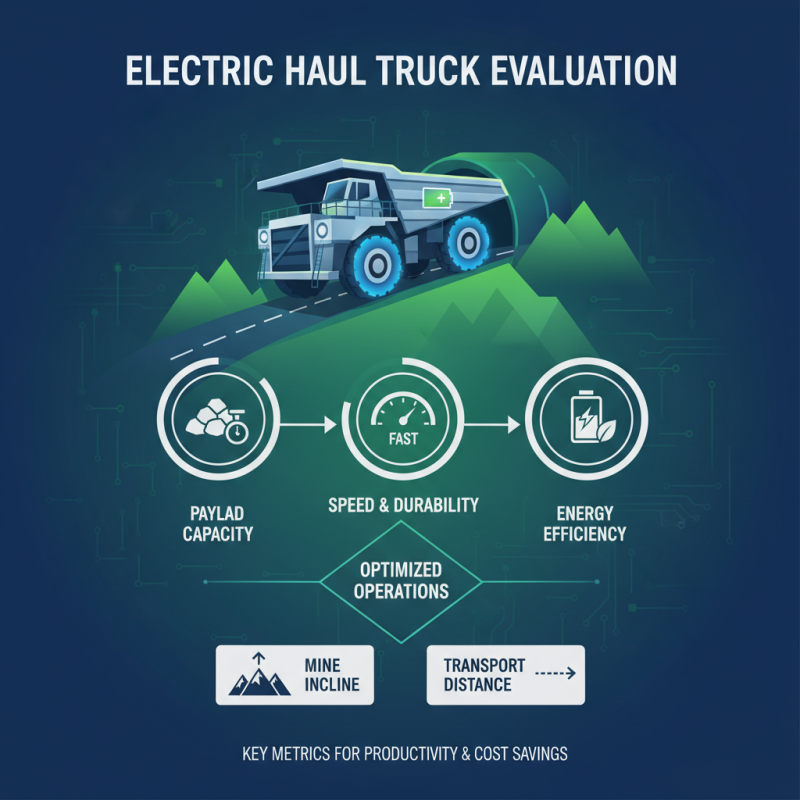
When evaluating electric haul trucks for mining operations, the performance and efficiency metrics are crucial indicators of suitability. Performance can be assessed by examining the truck's payload capacity, speed, and durability under various environmental conditions. A truck that can handle heavier loads and navigate challenging terrains without sacrificing speed or energy efficiency will be critical in optimizing operations. Factors such as the incline of the mine site and the average distance materials need to be transported should also be considered when determining the right specifications for your needs.
Efficiency is another essential aspect, particularly in relation to the energy consumption of the electric haul trucks. Understanding the battery life, charging time, and overall operational cost can greatly influence your selection. A truck that boasts high efficiency not only reduces operational costs but also minimizes downtime during shifts. Additionally, integrating smart technology that monitors performance metrics in real-time can help identify potential issues before they escalate, ultimately enhancing productivity and longevity of the fleet. By prioritizing these elements, mining operations can ensure they select electric haul trucks that align with their performance goals while promoting sustainability.
Assessing Environmental Impact and Sustainability of Electric Trucks
The transition to electric haul trucks in mining operations is not just a move towards modernity; it significantly influences environmental impact and sustainability. According to a report by the International Council on Mining and Metals (ICMM), the mining industry is responsible for approximately 4-7% of global greenhouse gas emissions. By integrating electric haul trucks, which can reduce emissions by up to 50%, companies are taking substantial steps towards minimizing their carbon footprint. Furthermore, electric trucks can operate more efficiently, consuming less energy than their diesel counterparts—averaging 1 kWh per tonne of material moved, compared to 2-3 kWh for traditional haulage systems.
In addition to lower emissions, electric haul trucks contribute to improved air quality and noise pollution reduction, addressing critical concerns for both mine workers and surrounding communities. A study from the World Economic Forum highlighted that noise pollution, notably in mining regions, could impact wildlife and local residents’ health. Electric trucks operate at significantly reduced noise levels—typically around 75 dB, compared to 95 dB for diesel trucks—making them an environmentally friendly alternative for ecosystems and adjacent communities. The shift towards electric vehicles in mining ultimately creates a path for sustainable operations that not only comply with emerging regulations but also enhance the social license to operate through reduced environmental impact.
Cost Analysis: Budgeting for Electric Haul Trucks in Mining Operations
When considering the implementation of electric haul trucks in mining operations, a comprehensive cost analysis is crucial for effective budgeting. The initial investment in electric trucks can be significant; however, the long-term savings in fuel, maintenance, and operational efficiency can offset these costs. It's essential to factor in the price of charging infrastructure, which can vary based on the size and scope of the mining site. Additionally, evaluating potential government incentives for adopting electric vehicles could further alleviate initial expenditures.
Operational costs also play a significant role in budgeting for electric haul trucks. These vehicles generally have lower maintenance costs compared to traditional diesel trucks, given fewer moving parts and reduced wear and tear. Moreover, the cost of electricity is often more stable than fossil fuel prices, allowing for better financial forecasting. Mining operations should also consider the cost of training personnel to operate and maintain electric haul trucks efficiently, as this can impact operational productivity and safety in the long run. By thoroughly analyzing these facets within a budget, mining companies can make informed decisions that align with their financial goals while promoting sustainability.
Cost Analysis: Budgeting for Electric Haul Trucks in Mining Operations