China Top Underground Mining Truck Models and Their Advantages?
The underground mining industry has evolved significantly over the years, with advanced technology driving the development of efficient equipment. One key player in this sector is the "Underground Mining Truck," which has become essential for transporting materials in confined spaces. According to a report by MarketsandMarkets, the global underground mining equipment market is expected to reach $30 billion by 2025, showcasing its growing importance.
Expert John Smith, an authority on mining equipment, states, "The efficiency of underground mining trucks can significantly impact overall operational costs." This highlights the critical nature of selecting robust models that offer reliability and performance. Various truck models in the Chinese market now offer specialized features, such as enhanced load capacity and improved maneuverability, providing substantial advantages in challenging environments.
However, challenges remain. The industry still faces issues such as environmental impact and equipment maintenance costs. As technology continues to advance, the focus on sustainability must also grow. Finding the right balance between performance and environmental responsibility is an ongoing reflection for industry stakeholders.
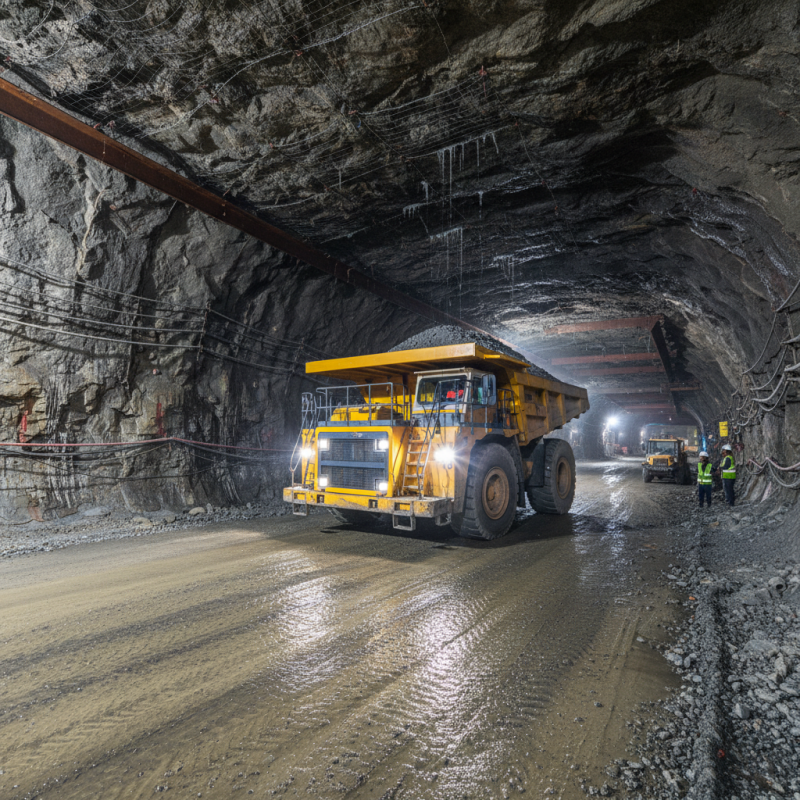
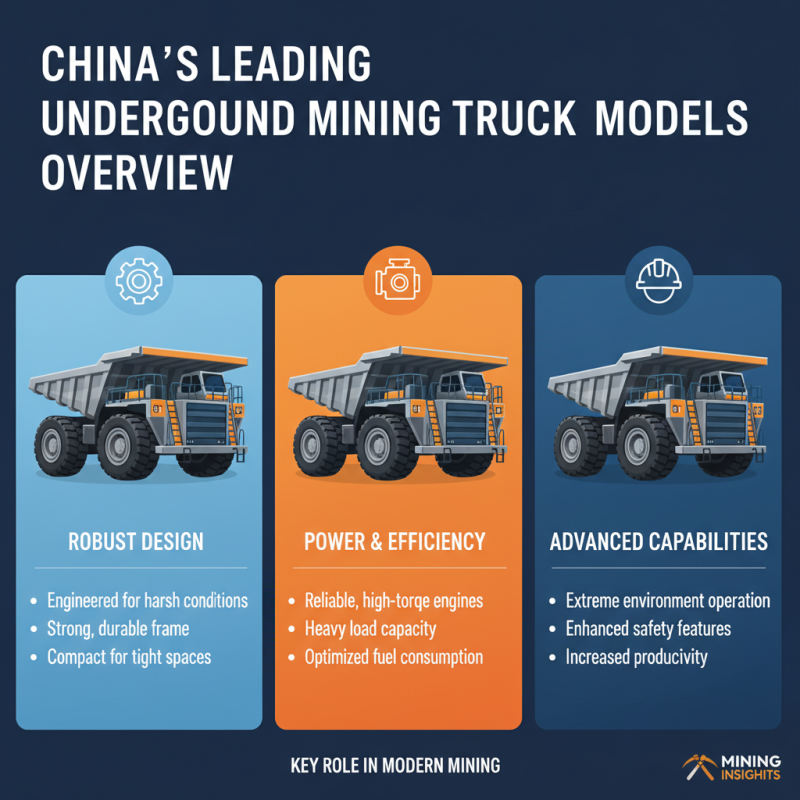
China's Leading Underground Mining Truck Models Overview
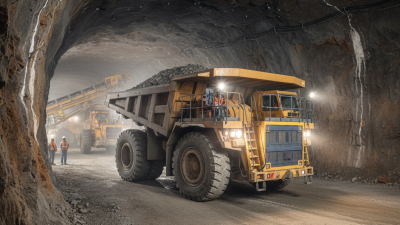
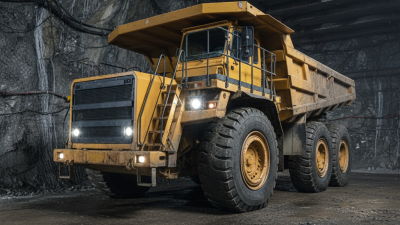
Underground mining trucks play a crucial role in the mining sector. Various models from China are gaining attention for their efficiency and design. These trucks are engineered to navigate the tough conditions and cramped spaces of underground mines. They have robust frames and reliable engines to carry heavy loads. Their ability to operate in extreme environments is one of the main advantages.
Innovation is evident in the latest models, which often feature advanced safety systems. They come equipped with real-time monitoring solutions. This focus on safety helps prevent accidents and ensures smooth operations. However, there are still aspects that require improvement, such as fuel efficiency and maintenance costs. Operators need to regularly assess these factors to maximize their investment.
Performance can vary based on terrain and load. Some trucks may struggle under certain conditions. It's crucial for mining companies to evaluate which model suits their specific needs best. Reliability and performance are key. Achieving the right balance can lead to better productivity and lower operational risks. Understanding these variables is vital for optimal decision-making in underground mining operations.
Key Features of Top Underground Mining Trucks in China
When exploring underground mining trucks in China, several key features stand out. These trucks are engineered for durability and efficiency in harsh environments. The robust structure often features high-quality steel that can withstand significant wear and tear. According to industry reports, the market for underground mining trucks is projected to grow at a CAGR of 5.9% from 2021 to 2026. This growth indicates a rising demand for more advanced models that incorporate cutting-edge technology.
One vital aspect is the payload capacity. Many top models can carry loads ranging from 20 to 50 tons, contributing to faster operations. Additionally, trucks often have articulated steering systems. This feature enhances maneuverability in tight tunnels, a crucial element in underground settings. Reports indicate that companies prioritize maintenance efficiency as well. Trucks equipped with modular components can be serviced quickly, reducing downtime. However, the complexity of some systems can pose challenges, requiring skilled technicians for repairs.
Further, fuel efficiency is another critical feature. Advanced propulsion technologies help reduce fuel consumption by around 15% compared to older models. Nevertheless, achieving optimal performance can be inconsistent, depending on the operating conditions. Therefore, operators face the dilemma of balancing efficiency and reliability. The evolving technology in underground mining trucks highlights both innovation and the need for continual assessment of performance metrics.
Advantages of Chinese Underground Mining Trucks Over Competitors
Chinese underground mining trucks stand out for several reasons. Their design focuses on efficiency and safety. Advanced engineering ensures they can navigate tight spaces. These vehicles are built to handle heavy loads and challenging terrains. Operators often report fewer breakdowns, which boosts productivity.
Cost-effectiveness is a key advantage. Chinese models typically offer lower purchase and maintenance costs compared to competitors. This affordability helps mining companies allocate resources more effectively. Additionally, many trucks have modular designs. This feature allows for easier upgrades and repairs, minimizing downtime.
Technological innovations enhance their appeal. Features like improved traction control systems and fuel efficiency are becoming standard. However, there is room for improvement in areas such as user interface and driver comfort. While many models perform well, some users express the need for better ergonomics. Addressing these concerns can further strengthen their market position.
Applications and Performance in Various Mining Environments
When it comes to underground mining, choosing the right truck is essential. Different models excel in various environments. In narrow tunnels, compact trucks enhance maneuverability. They can navigate tight spaces effectively, carrying valuable loads where larger trucks cannot. The performance in these settings directly impacts productivity and safety.
In contrast, larger trucks are beneficial in spacious areas. They offer higher payload capacities and can handle rough terrains. These models contribute to faster material transport, promoting efficiency in operations. However, their size can be a disadvantage in more confined sections of a mine, leading to potential operational challenges. Selecting the appropriate truck enhances workflow and minimizes risks.
Tips: Always assess your mining environment before choosing a truck model. Think about space, load requirements, and how each model fits your operational needs. Do not overlook the importance of regular maintenance to ensure peak performance. Sometimes, investing in a smaller model for tighter spaces pays off.
China Top Underground Mining Truck Models and Their Advantages
| Model |
Payload Capacity (tons) |
Engine Power (HP) |
Main Advantages |
Optimal Mining Situation |
| Model A |
30 |
300 |
High maneuverability, low maintenance |
Narrow tunnels, hard rock |
| Model B |
50 |
400 |
Robust design, excellent traction |
Soft ground, surface ore |
| Model C |
40 |
350 |
Fuel-efficient, high load capacity |
Mixed conditions, all terrains |
| Model D |
60 |
500 |
Heavy-duty, advanced safety features |
Deep mines, high payload needs |
Future Trends in Underground Mining Truck Development in China
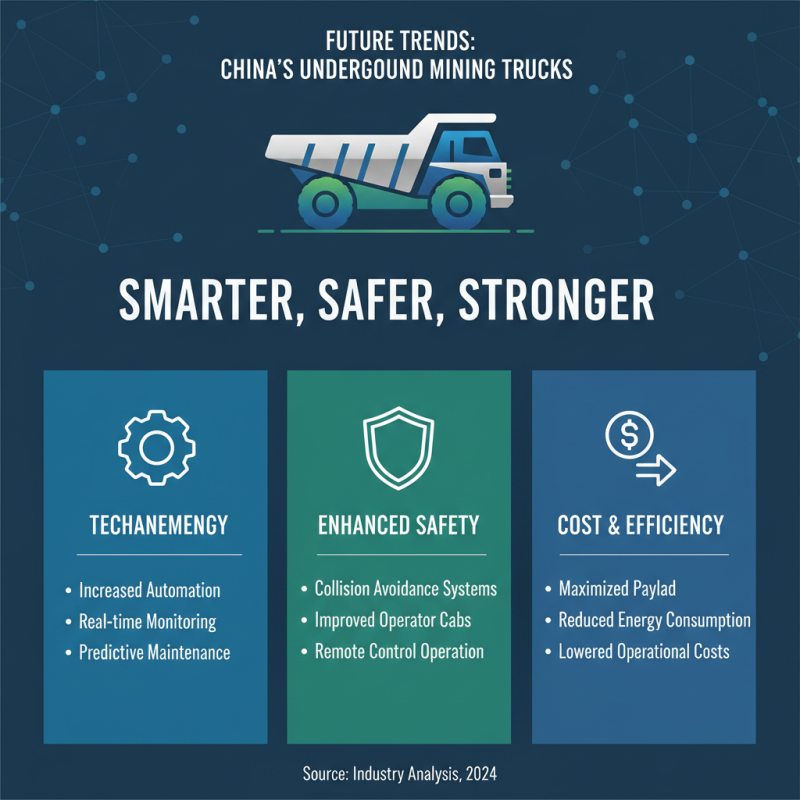
The future of underground mining truck development in China appears promising. With advancements in technology, trucks are becoming more efficient and safer. Innovative designs focus on maximizing payload while minimizing operational costs.
Electric and hybrid models are gaining traction, responding to environmental concerns. These vehicles offer lower emissions and reduced fuel costs. However, battery performance in harsh mining conditions remains a challenge. Companies must prioritize research in durable battery technologies.
Automation is another trend reshaping the industry. Self-driving trucks can optimize routes and improve safety. Yet, the transition to fully automated systems raises questions about workforce displacement. Balancing tradition and innovation is key as the industry evolves. Continuous feedback from operators and engineers will help refine these developments, making underground mining safer and more efficient.