What are Big Mining Trucks and How Do They Operate?
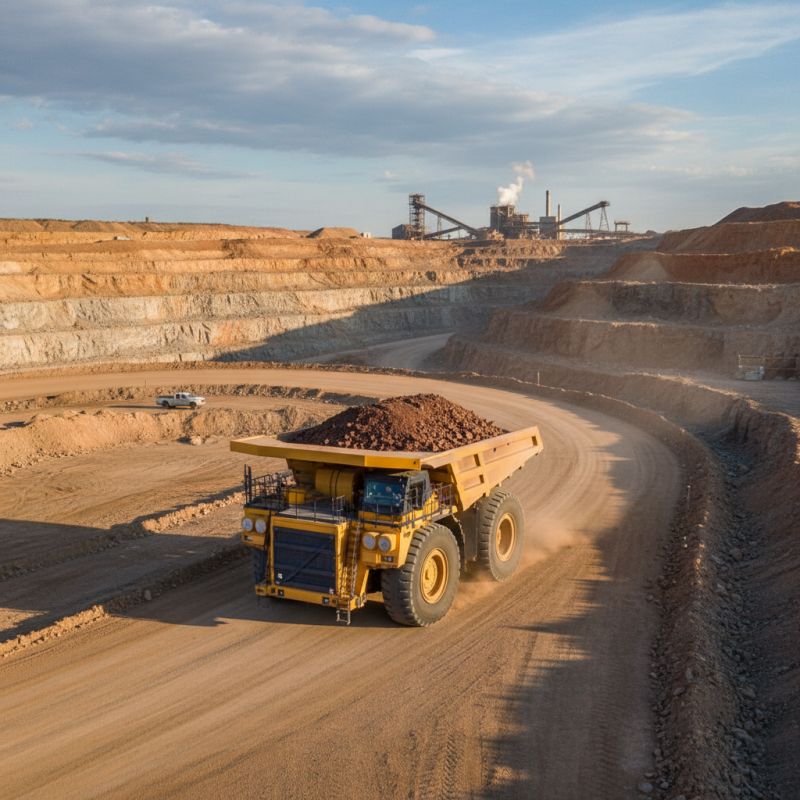
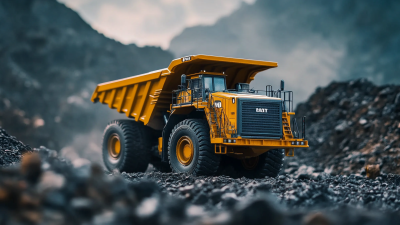
Big Mining Trucks play a vital role in the mining industry. These massive vehicles are designed to transport heavy loads of minerals from mines to processing sites. Their enormous size and capacity allow them to carry significant amounts of earth and ore in a single trip.
Operating these trucks requires specialized skills and knowledge. The drivers must navigate challenging terrains, often in extreme weather conditions. Safety is a priority, yet accidents can happen. Learning to control such large machinery is not easy. Operators need to be vigilant at all times.
Understanding the mechanics of Big Mining Trucks is essential for improving efficiency. Many companies strive to enhance performance and reduce emissions. However, there is always room for improvement in technology and operation methods. As the industry evolves, so too must the approaches to using these powerful vehicles.
Overview of Big Mining Trucks: Definition and Purpose
Big mining trucks are essential in the mining industry. These massive vehicles transport large amounts of materials from mines to processing locations. They are designed to handle rough terrains and heavy loads. With capacities often exceeding 200 tons, they play a crucial role in increasing efficiency.
Understanding how these trucks work is vital. Equipped with powerful engines, they can tackle steep gradients. Their hydraulic systems lift heavy loads with ease. Operators need training to manage these complex machines safely. Each truck must be maintained regularly to prevent breakdowns.
Tip: Always check tire pressure before operating.
The purpose of big mining trucks goes beyond transportation. They reduce manual labor and increase productivity. Yet, their operation raises concerns. Environmental impacts are significant. Dust and noise pollution affect nearby communities. It’s essential to balance efficiency with ecological responsibility.
Tip: Consider eco-friendly routes to minimize environmental harm.
What are Big Mining Trucks and How Do They Operate?
| Dimension |
Value |
Description |
| Payload Capacity |
320-400 tons |
The maximum weight the truck can safely carry. |
| Engine Power |
2,500-3,000 HP |
The horsepower produced by the truck's engine. |
| Weight |
500-600 tons |
The total weight of the truck when empty. |
| Fuel Capacity |
400-600 gallons |
The volume of fuel the truck can hold. |
| Top Speed |
40-50 mph |
The maximum speed the truck can reach on flat terrain. |
| Tire Size |
5 feet in diameter |
Diameter of the tires used on the truck. |
| Operating Weight |
600-700 tons |
Total weight of the truck when fully loaded. |
Design Features of Big Mining Trucks: Size and Capacity
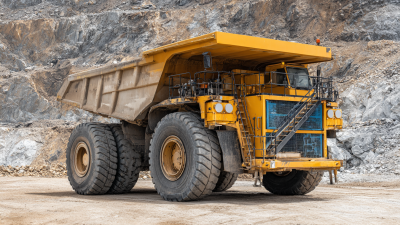
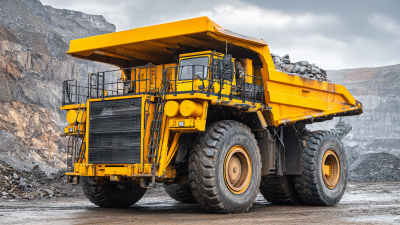
Big mining trucks, often called off-highway trucks, are critical for transporting materials in the mining industry. Their design features emphasize size and capacity, capable of hauling up to 400 tons of materials. These trucks typically stand over 25 feet tall and can be as long as 40 feet. Such dimensions allow them to carry massive loads efficiently.
When it comes to design, the trucks have powerful diesel engines. These engines can generate up to 4,500 horsepower. This power enables them to move heavy loads across rough terrains. The trucks also feature reinforced frames and specialized tires that provide stability and durability. However, the sheer size can be a drawback. Maneuvering in tight spaces remains a challenge.
Tips: Regular maintenance is vital for these trucks. Inspections can help catch potential issues early. Operators should always be aware of load limits. Overloading can lead to accidents and equipment failure. Safety gear is a must in this environment, even for truck drivers. Investing in technology can improve operational efficiency. It’s worth noting that operational costs can vary significantly depending on the terrain and workload. For many operators, striking a balance between efficiency and safety remains a continuous challenge.
Mechanisms of Operation: How Big Mining Trucks Work
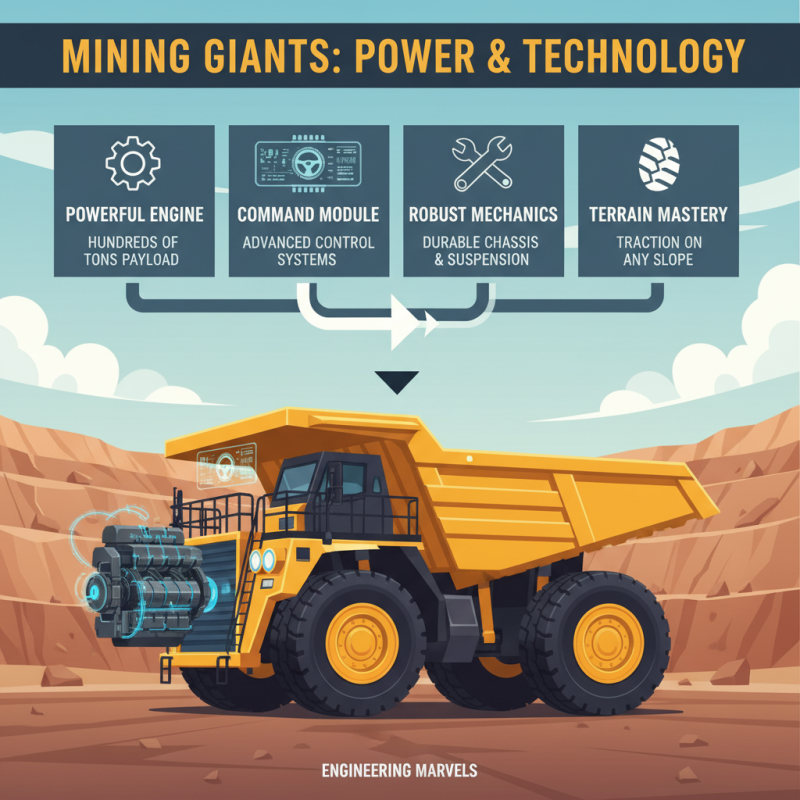
Big mining trucks are engineering marvels designed to transport massive amounts of materials. Their operation relies on a combination of powerful mechanics and advanced technology. At the heart of these trucks is the engine. It generates enough horsepower to move hundreds of tons of payloads across rugged terrains. With large wheels and specialized tires, these vehicles maintain traction while navigating steep inclines.
Hydraulic systems play a crucial role in the operation of big mining trucks. They lift and lower the dump bed, allowing efficient unloading of materials. Each raise and lower involves intricate mechanics. Operators must be skilled, understanding the truck's capabilities and limits. Lack of caution can lead to accidents or equipment damage. The process isn’t just about brute force; precision is essential.
Monitoring systems help ensure safety and efficiency. They track performance metrics, including speed, weight, and fuel consumption. Still, these systems aren’t foolproof. Human error can interfere with operations. Operators might overlook warning signals, which could lead to costly mistakes. Training and experience are invaluable in mitigating these risks. The operation of big mining trucks involves constant learning and adaptation.
Safety and Environmental Considerations in Mining Truck Operation
Mining trucks play a critical role in transporting ore and material in mining operations. However, their operation is not without significant safety and environmental concerns. In 2022, the fatality rate in the mining industry was reported at approximately 12.3 deaths per 100,000 workers, underscoring the risks involved (Source: National Mining Association). Ensuring strict adherence to safety protocols is essential to minimize accidents.
Operators must undergo thorough training to navigate these massive vehicles safely. The importance of regular maintenance cannot be overlooked. Equipment failure can lead to catastrophic incidents. A recent study highlighted that 25% of accidents in mining can be attributed to mechanical malfunctions. Implementing a preventive maintenance plan is vital for safety.
Tips: Always conduct daily inspections of mining trucks. Look for leaks, wear, and tear. This can prevent accidents caused by mechanical failures. Additionally, using technology for monitoring is becoming crucial in modern mining operations. Drones and sensors can help in detecting issues before they become serious.
Environmental considerations are equally vital. Mining operations can disrupt ecosystems and contribute to pollution. In 2023, it was reported that heavy-duty trucks in mining produce about 5% of total greenhouse gas emissions from the industry. Adopting cleaner technologies can mitigate these impacts. Retrofitting trucks to reduce emissions is an area requiring focus. Balancing operational efficiency with environmental stewardship is a challenge that the industry must address.
Future Trends in Big Mining Truck Technology and Innovation
Big mining trucks are evolving rapidly. Their technology must meet increased demand and environmental standards. Reports indicate that the global market for these trucks is expected to reach $5 billion by 2025. Fuel efficiency is a major focus. Newer models use advanced engines that enhance performance while reducing emissions.
Electric mining trucks are gaining attention. They promise lower operational costs and fewer emissions. A survey revealed that 30% of mining companies are considering electric options. However, battery life and charging infrastructure remain significant challenges. Innovation in battery technology is crucial. Without improvements, adoption may slow.
Automation is another trend on the horizon. Autonomous trucks can operate without human intervention, improving safety and efficiency. Yet, integration into current operations isn't seamless. Many companies lack the necessary infrastructure to support this technology. Pilot programs are often limited in scope, highlighting the gap between promise and reality.