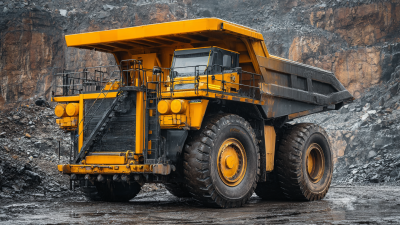
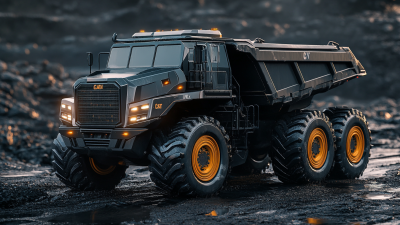
What is a Big Mining Dump Truck? Insights into Specifications and Uses
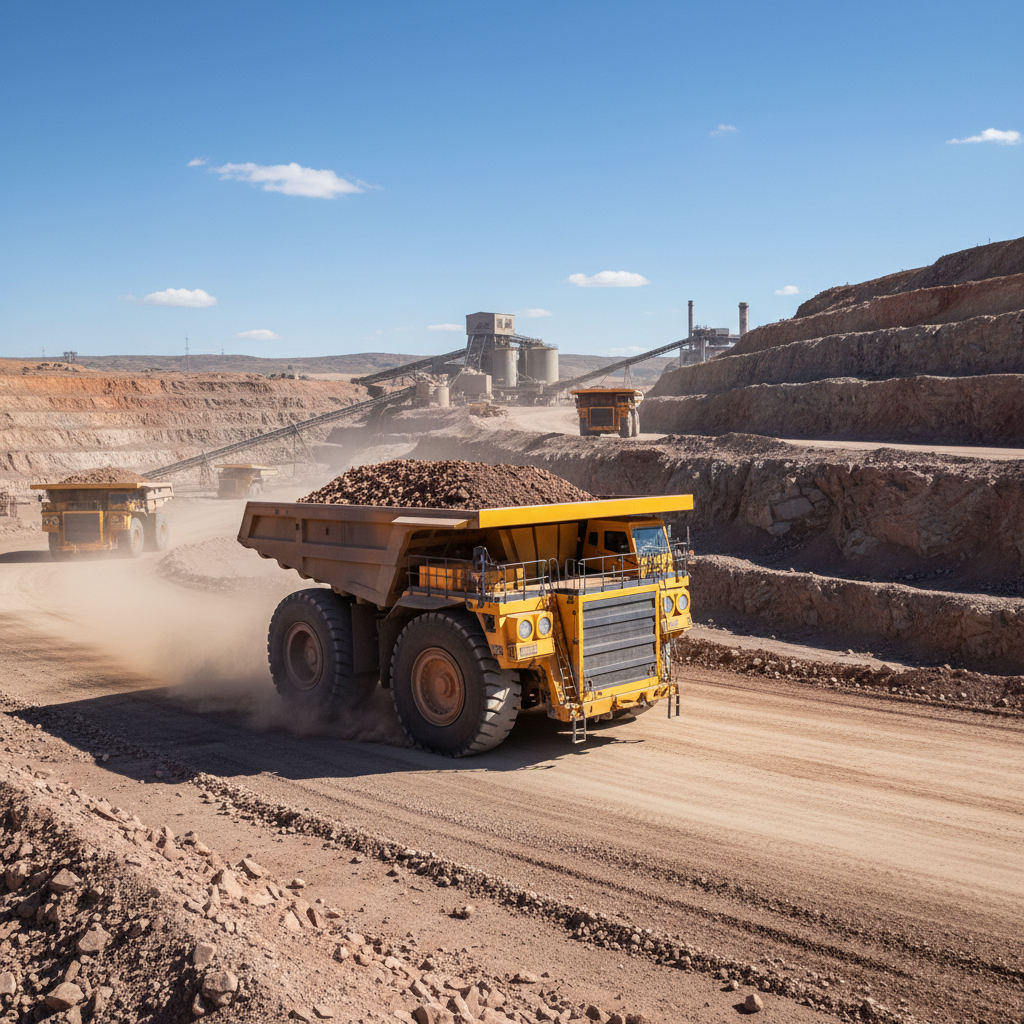
In the realm of heavy-duty machinery, the "Big Mining Dump Truck" stands out as a pivotal element in the mining industry. These colossal vehicles are designed to transport vast amounts of materials from mining sites to processing areas, making them indispensable for efficient operations. According to industry expert John Harrington, a seasoned mining engineer with over two decades of experience, “The efficiency and capacity of a Big Mining Dump Truck can significantly impact the overall productivity of a mining operation.”
As we delve into the specifications and uses of these immense trucks, it is essential to understand their role in enhancing productivity and maintaining operational safety. From their advanced engineering to their robust build designed to withstand extreme conditions, Big Mining Dump Trucks are continually evolving. In this exploration, we will highlight the top contenders in the market for 2025, providing insights into their capabilities and innovations that set the standard for the future of mining operations.
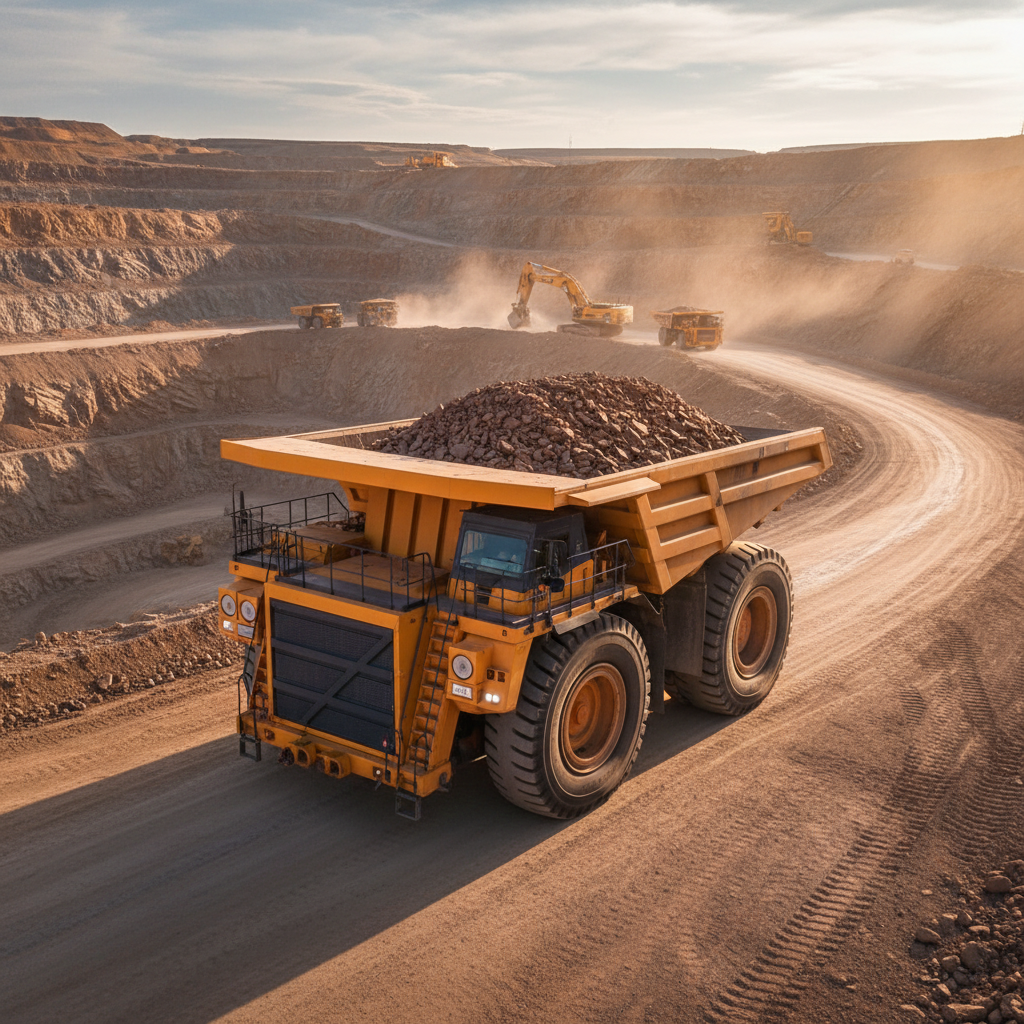
What Defines a Big Mining Dump Truck in the Modern Mining Industry?
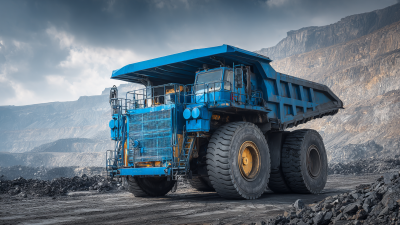
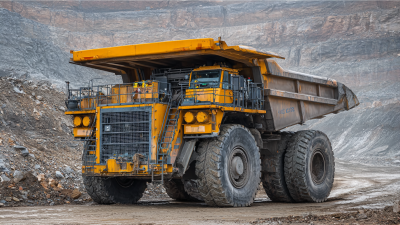
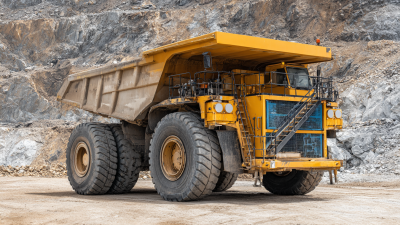
Big mining dump trucks are a crucial component of modern mining operations, defined by their exceptional capacity, durability, and operational efficiency. Typically recognized for their ability to haul upwards of 300 tons of ore per load, these vehicles play an integral role in the mining supply chain. According to a report by Future Market Insights, the global mining truck market is projected to grow at a compound annual growth rate (CAGR) of 4.5% from 2023 to 2033, signaling a robust demand for high-capacity trucks in large-scale mining activities.
The specifications that define a big mining dump truck include not only its size and load-bearing capacity but also advanced features such as autonomous driving technology and enhanced fuel efficiency. For instance, models like the Caterpillar 797F can carry loads of up to 400 tons and are equipped with the latest in automation, which significantly reduces operational costs and improves safety on sites. Furthermore, strategic investments in electric and hybrid technologies are reshaping the industry; a report by the International Council on Mining and Metals highlights that electrification could cut emissions by up to 30% in mining operations. Thus, big mining dump trucks are not just about size; they embody the transition towards a more sustainable and efficient mining future.
Key Specifications of Leading Dump Trucks: Capacity, Power, and Dimensions
Big mining dump trucks are essential vehicles in the mining and construction industries, designed to transport large volumes of materials efficiently. Their specifications, particularly in terms of capacity, power, and dimensions, play a crucial role in determining their performance and suitability for various tasks. Leading models typically offer a payload capacity ranging from 200 to 400 tons, allowing them to carry substantial loads in a single trip, which enhances productivity on site.
The power of these dump trucks is another critical specification. Most large mining dump trucks are equipped with powerful diesel engines that can produce between 1,000 to 3,000 horsepower, enabling them to navigate difficult terrains and steep gradients. Additionally, their dimensions, often exceeding 30 feet in length and 25 feet in height, contribute to their immense payload capacity. The engineering behind these trucks ensures that they can handle the heavyweights of rock and ore while maintaining stability and durability, making them invaluable assets in the mining sector.
Big Mining Dump Truck Specifications
Utilization of Dump Trucks in Different Mining Operations: A Sector Analysis
Big mining dump trucks are essential vehicles in the mining industry, specializing in the transportation of bulk materials. These trucks, often reaching payload capacities of up to 400 tons, are utilized in various mining operations such as surface mining, underground mining, and quarrying. According to the Global Mining Truck Market report, the demand for these trucks has increased significantly, with projections indicating a CAGR of 5.2% from 2022 to 2027, driven by rising mineral extraction activities and infrastructure development worldwide.
In surface mining, large dump trucks are the backbone of operations, facilitating the efficient movement of overburden and ore across extensive sites. Their high payload capacity allows for fewer trips, which enhances productivity. For instance, in coal mining, studies have shown that employing these trucks can reduce operational costs by 25%. In underground mining, specialized dump trucks designed for confined spaces minimize the risk of cave-ins and can easily navigate the complex layouts of mines. The versatility of big mining dump trucks makes them indispensable in various operations, significantly contributing to the efficiency and safety of mining activities.
Top 5 Dump Trucks of 2025: Performance Metrics and Market Share Insights
The market for large mining dump trucks is seeing significant advancements as the industry shifts toward more efficient and powerful vehicles. According to a report by IMS Research, the global market for heavy-duty dump trucks is projected to grow at a CAGR of 5.2% from 2023 to 2028, reaching a value of approximately $12 billion. In 2025, the top five dump trucks are expected to dominate this expanding market, showcasing advancements in fuel efficiency, payload capacity, and technological integrations.
Among these leading models, the Caterpillar 797F stands out with an impressive payload capacity of 400 tons, making it one of the most efficient in its class. Komatsu’s EH5000AC-3 is another contender, renowned for its electric drive technology, which not only enhances performance but also significantly reduces fuel consumption by up to 30%, according to data from the Caterpillar Performance Monitoring System.
Additionally, trucks like the Volvo A60H, which boasts advanced hydraulics and a rated load of 55 tons, are gaining traction due to their robustness and versatility in challenging mining environments. As companies continue to invest in fleet modernization, understanding the specifications and market share of these top dump trucks will be crucial for stakeholders looking to optimize their operations.
Future Trends in Dump Truck Technology: Electrification and Automation in Mining
The future of dump truck technology in the mining sector is increasingly focused on electrification and automation. As the demand for sustainable transportation solutions grows, the market for electric dump trucks is projected to experience significant expansion. A recent report estimates that by 2032, the electric dump truck market will reach substantial figures, driven by the need for reduced emissions and enhanced productivity in industries such as mining, construction, and waste management.
One of the critical factors propelling this trend is the increasing emphasis on reducing carbon footprints and promoting environmentally friendly practices within the mining industry. The adoption of electric and automated mining vehicles not only aligns with global sustainability goals but also addresses the operational efficiencies sought by companies. As technology advances, innovations in electric dump trucks will likely provide enhanced performance characteristics, longer battery life, and improved safety features, all crucial for meeting growing material demands while minimizing environmental impact. By embracing these technologies, the mining industry can prepare for a more sustainable and efficient future.
What is a Big Mining Dump Truck? Insights into Specifications and Uses - Future Trends in Dump Truck Technology: Electrification and Automation in Mining
| Specification |
Typical Value |
Usage |
Future Trends |
| Payload Capacity |
100-400 tons |
Transporting minerals and earth |
Lighter materials for higher load efficiency |
| Engine Power |
800-3000 HP |
Drivability in rough terrain |
Increased electrification and hybrid powertrains |
| Length |
14-24 ft |
Maneuvering in mining sites |
Automated navigation systems |
| Width |
10-16 ft |
Stability and load distribution |
Wider frames for better stability |
| Fuel Type |
Diesel, Electric |
Energy efficient operations |
Shift towards fully electric vehicles |