2026 Best Water Pump Casing Options What to Choose?
Choosing the right water pump casing can be a daunting task. With numerous options available, understanding their features is essential. A well-selected casing impacts efficiency, durability, and overall performance.
water pump casings come in various materials, such as plastic and cast iron. Each material has its pros and cons. Plastic is lightweight but may lack strength. Cast iron, on the other hand, offers robustness but can be heavy and prone to rust.
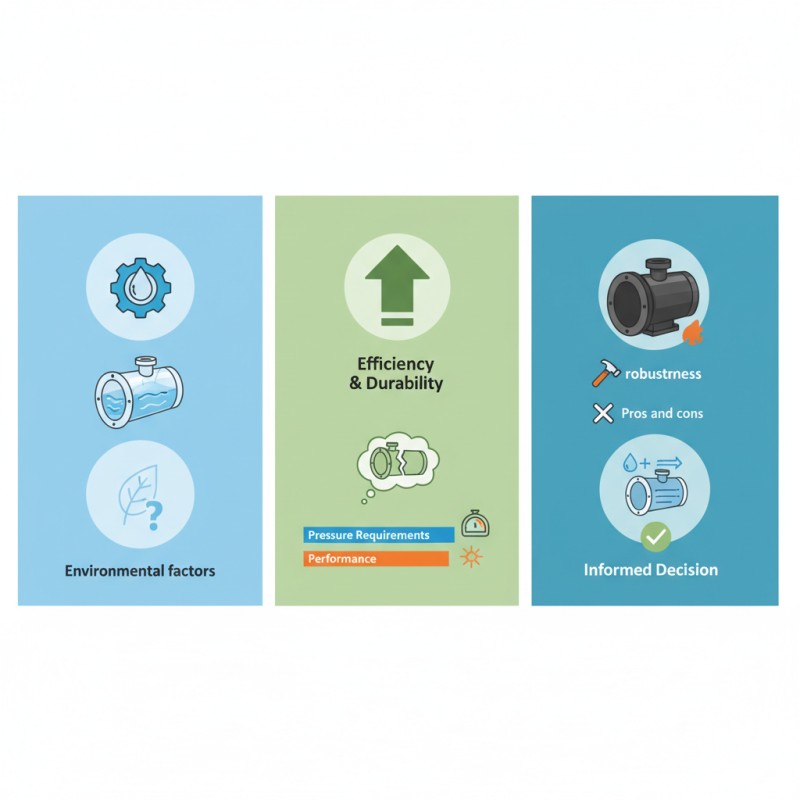
Consider specific needs like pressure requirements and environmental factors. Reflecting on past choices can help. Maybe the last pump failed due to an inappropriate casing choice. An informed decision will lead to longer-lasting and better-performing water pumps.
Types of Water Pump Casings: A Comprehensive Overview
When selecting a water pump casing, understanding the different types is crucial. There are primarily three types: metallic, non-metallic, and composite casings. Each type serves various needs. Metallic casings offer strength and durability. However, they can be susceptible to corrosion. Non-metallic options, like plastics, are lighter and resistant to chemicals but may not withstand high pressures. Composite casings mix materials, aiming to balance strength and weight.
Industry reports indicate that around 65% of consumers prefer non-metallic casings due to their cost-effectiveness and lower maintenance needs. However, non-metallic options may not last as long under extreme conditions. This selection process can cause confusion. Users often overlook their specific requirements. High-performance environments demand different characteristics than standard applications.
It’s essential to evaluate environmental factors when choosing a casing. Key considerations include temperature fluctuations, exposure to chemicals, and physical stresses. An ideal choice should align with operational demands. Yet, users sometimes prioritize price over material benefits, which may lead to failures. Assessing both immediate and long-term needs can prevent costly mistakes later. Making informed decisions about water pump casings is vital for efficiency and longevity.
2026 Best Water Pump Casing Options - Types of Water Pump Casings: A Comprehensive Overview
| Type of Casing | Material | Applications | Advantages | Disadvantages |
| Centrifugal Pump Casing | Cast Iron | Industrial use, irrigation | High efficiency, durable | Heavy, prone to corrosion |
| Submersible Pump Casing | Stainless Steel | Deep well applications | Corrosion resistant, compact | Higher cost, difficult to repair |
| Diaphragm Pump Casing | Plastic | Chemical transfer | Lightweight, excellent chemical resistance | Limited pressure range |
| Positive Displacement Casing | Aluminum | Food processing | Sanitary, lightweight | Can be damaged by abrasive materials |
Factors to Consider When Choosing a Water Pump Casing
Choosing the right water pump casing is crucial. Various factors need careful consideration. Material type significantly impacts durability and corrosion resistance. Common materials include cast iron and stainless steel. According to industry reports, stainless steel can reduce maintenance costs by up to 20%. A well-chosen casing can lead to a longer lifespan.
Pump size is another critical factor. It must match the system requirements. If too small, it may lead to inefficiency. Oversized pumps often waste energy. Studies show that a poorly sized pump can cause a 30% decrease in overall system performance.
Installation environment also plays a key role. Is it indoors or outdoors? Water chemistry can influence the casing material choice. For instance, aggressive water may require special coatings. Ignoring environmental factors can lead to early failure. The best approach combines thorough research with expert advice.
Comparative Analysis of Popular Water Pump Casing Materials
Selecting the right water pump casing material is crucial for efficiency. Common materials include plastic, stainless steel, and cast iron. Each has its own benefits and drawbacks.
Plastic is lightweight and resistant to corrosion. It's a good option for small pumps. However, its durability is often questioned. Under extreme temperatures, it may warp or degrade.
Stainless steel offers robustness and resistance to rust. It tends to be more expensive and heavier.
Cast iron is sturdy, ideal for heavy-duty applications. Yet, it can be prone to rust if not properly maintained. Some users report it can crack under certain stresses.
Each material has its trade-offs, so it's important to assess individual needs carefully.
Maintenance Tips for Longevity of Water Pump Casings
When it comes to water pump casings, maintenance is crucial for ensuring longevity. Regular inspection is essential. Check for cracks and corrosion. These issues can lead to catastrophic failures if ignored. Clean the casing regularly to prevent buildup. This small task can save you from bigger problems in the future.
Here are some tips for you. Ensure that the seals are intact. Replace any damaged seals quickly. Even small leaks can escalate. Additionally, keep an eye on the mounting bolts. Loose bolts can cause vibrations that damage the casing. Regular maintenance is not just a suggestion; it’s a necessity.
Sometimes, we overlook the basics. Routine checks might feel tedious, but they are vital. Consider creating a schedule for inspections. A little effort goes a long way. Don't wait for a major issue to arise. Be proactive in maintaining your water pump casing for better efficiency over time.
Future Trends in Water Pump Casing Design and Technology
Water pump casings are evolving rapidly. Designers are focusing on creating solutions that enhance durability and efficiency. New materials are being tested to withstand harsh conditions. Lightweight composites and advanced polymers are trending. These materials promise improved corrosion resistance. This shift may lead to longer lifespans for pumps and reduced maintenance costs.
Tips: Consider the operating environment. Ensure your selected material can handle specific challenges. Think about future upgrades. Will your casing accommodate newer technologies?
Another area to watch is smart technology integration. Sensors can monitor performance in real-time. This data helps in predictive maintenance, reducing downtime. However, technology should not complicate the system unnecessarily. Collaboration between engineers and end-users is crucial. Many casings today lack user-friendly designs. Keeping it simple often yields better results.
Tips: Think about installation and maintenance. Complex designs can deter users. Always seek feedback on usability. Investing early in user-centered design is vital to future success.