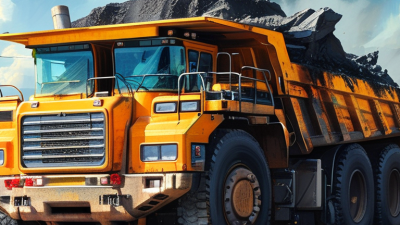
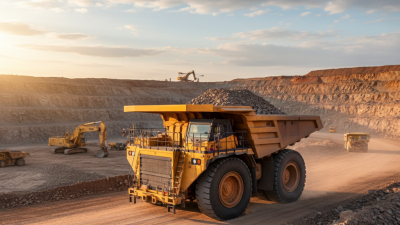
China Best Types of Mining Trucks You Should Consider?
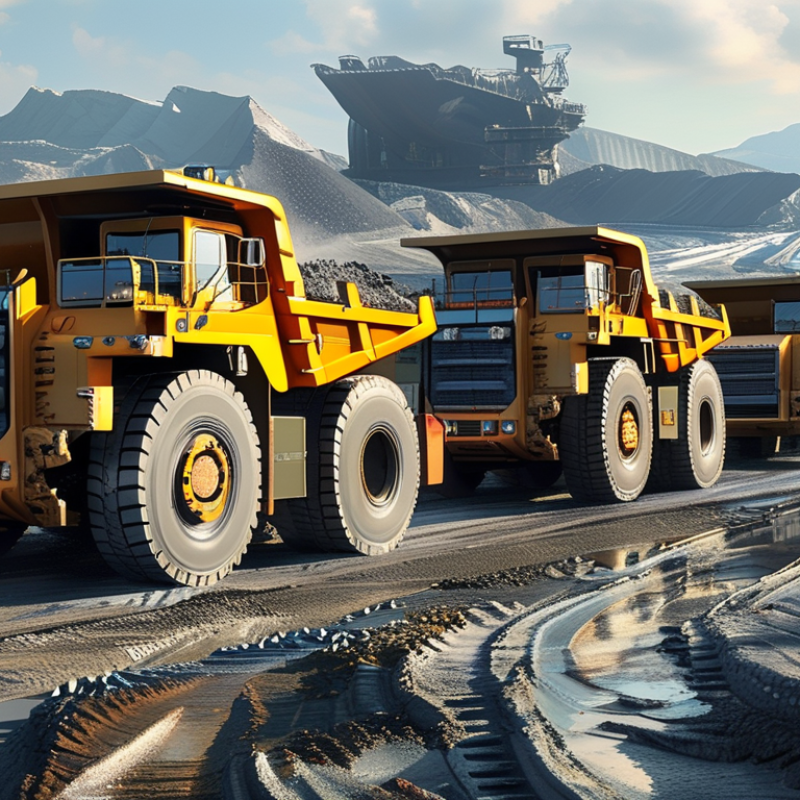
When considering the "Types Of Mining Trucks," several key factors arise. Mining trucks are critical for transporting materials in challenging environments. The right truck can significantly enhance efficiency and safety in mining operations.
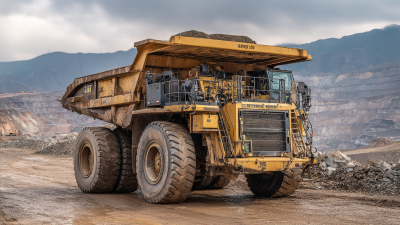
Different types of mining trucks cater to various needs. For instance, large rigid trucks are strong and ideal for heavy hauls. On the other hand, articulated trucks offer greater maneuverability and flexibility. Each type has its own strengths and weaknesses.
With numerous brands and models available, choosing the right truck can be overwhelming. It's essential to evaluate your specific requirements and operational settings. Understanding the strengths and limitations of each type will lead you to a better investment. Making the wrong choice could lead to increased costs and operational inefficiencies.
Overview of Mining Trucks in China
Mining trucks play a crucial role in the efficiency of mining operations across China. As of 2022, China's mining truck market was valued at approximately $15 billion. The demand for high-capacity, reliable trucks has surged due to increased mineral extraction activities. Chinese mining companies are moving towards innovative designs. These newer models significantly enhance productivity and reduce operational costs.
However, selecting the right mining truck can be challenging. The options available vary in size, capacity, and technology. Recent data suggests that electric models are gaining traction, accounting for 20% of new purchases in 2023. These electric trucks are often praised for lower carbon emissions. Still, their higher upfront costs can deter some companies, making decision-making difficult.
Tips: When considering your options, assess your operational needs first. Evaluate both initial costs and long-term savings. Speak with industry experts to understand the impact of recent technological advancements. This reflects an often-overlooked, nuanced choice faced by many in the mining sector. The landscape of mining trucks is evolving quickly, and staying informed is essential.
Key Features to Look for in Mining Trucks
When selecting mining trucks, several key features are vital to consider. First, payload capacity is crucial; a truck should effectively transport heavy loads without compromising stability. Look for trucks that offer robust frames and a strong engine. A reliable braking system is also necessary to ensure safety, especially on rough terrain.
Another essential aspect is drivetrain efficiency. Good fuel consumption not only saves costs but also reduces downtime. Pay attention to maintenance needs as well. Trucks that are easy to service can minimize operational disruptions.
In rough mining environments, tire durability is often overlooked but important. Quality tires can impact performance and safety. Drivers should also appreciate comfort features, like ergonomic seating and visibility. However, while advanced technology enhances performance, it may require more training. Balancing innovation with user-friendliness is a challenge in this industry.
China Best Types of Mining Trucks You Should Consider? - Key Features to Look for in Mining Trucks
| Truck Model |
Load Capacity (tons) |
Engine Power (HP) |
Drive Type |
Fuel Type |
Key Feature |
| Model A |
50 |
600 |
4WD |
Diesel |
High traction |
| Model B |
70 |
800 |
6WD |
Diesel |
Enhanced stability |
| Model C |
80 |
900 |
4WD |
Biodiesel |
Low emissions |
| Model D |
90 |
950 |
4WD |
Electric |
Silent operation |
Top Mining Truck Brands Available in China
When exploring mining trucks in China, it's crucial to understand the brands dominating the market. Various manufacturers offer a range of products tailored to different needs. Each brand has its unique strengths and drawbacks. This diversity allows mining operations to select trucks that best fit their specific requirements.
Some brands excel in fuel efficiency, while others focus on heavy-duty capabilities. Not all trucks perform well in every terrain. It's beneficial to research real-world performance and operator experiences. Feedback from experienced drivers can provide insights into the trucks' reliability and comfort. This information often goes beyond manufacturer specifications.
Choosing the right mining truck isn't solely about the brand. It's essential to consider service availability and parts accessibility. Some brands may have extensive networks that streamline maintenance. Others might offer limited support, leading to downtime. Reflecting on these factors can guide purchasing decisions and optimize operational efficiency in the long run.
Top Mining Truck Brands Available in China
This bar chart represents the average payload capacity of different types of mining trucks commonly used in China. The data reflects the range in tons that each type can carry, showcasing their operational capabilities.
Comparison of Popular Mining Truck Models
When selecting a mining truck, understanding the various models available is crucial for optimizing operational efficiency. Different mining trucks come with unique specifications, each designed for specific tasks. For example, some models excel in load capacity, while others are tailored for better fuel efficiency. This balance is important, as fuel costs can significantly impact a mining operation’s budget.
Let's consider two popular categories of mining trucks: rigid and articulated.
Rigid trucks feature a solid frame, offering higher stability when carrying heavy loads. However, they may struggle on rough terrains. Articulated trucks, known for their flexibility, can navigate tricky paths more easily. Their design allows for better maneuverability, but they usually have a lower payload capacity compared to rigid models. The right choice hinges on the mining environment and the types of materials being transported.
It's worth acknowledging that every model has its drawbacks. Some may require extensive maintenance or offer limited performance in extreme conditions. Additionally, as technology advances, older models may quickly become less efficient. Evaluating the long-term implications of your choice can lead to more informed decisions. Understanding each model's strengths and weaknesses helps in selecting the best fit for your specific mining needs.
Future Trends in Mining Truck Technology
The future of mining truck technology is evolving rapidly. Industry reports indicate that electric and hybrid mining trucks are gaining traction. These vehicles promise lower emissions and reduced operational costs. For instance, research suggests that electric mining trucks can cut fuel expenses by up to 40%. This shift aligns with global sustainability goals.
Automation is another key trend. Advanced technologies such as AI and IoT are driving the development of autonomous trucks. According to a recent study, adopting autonomous systems can increase productivity by 20% and enhance safety in mining operations. However, the reliability of these systems remains a concern. As technology improves, it is crucial to address potential failures and cybersecurity threats.
Telematics is also becoming essential in monitoring truck performance. Data analytics provide insights into vehicle health and operational efficiency. Reports show that companies using telematics have reduced maintenance costs significantly. Yet, the challenge lies in effectively interpreting this data to make informed decisions. The industry must remain vigilant in leveraging these advancements while confronting inherent risks.