Best Mining Transport Vehicles for Efficient Operations?
Mining operations rely heavily on efficient transport vehicles. These vehicles play a crucial role in moving resources and equipment. Selecting the right mining transport vehicles can significantly affect productivity and safety.
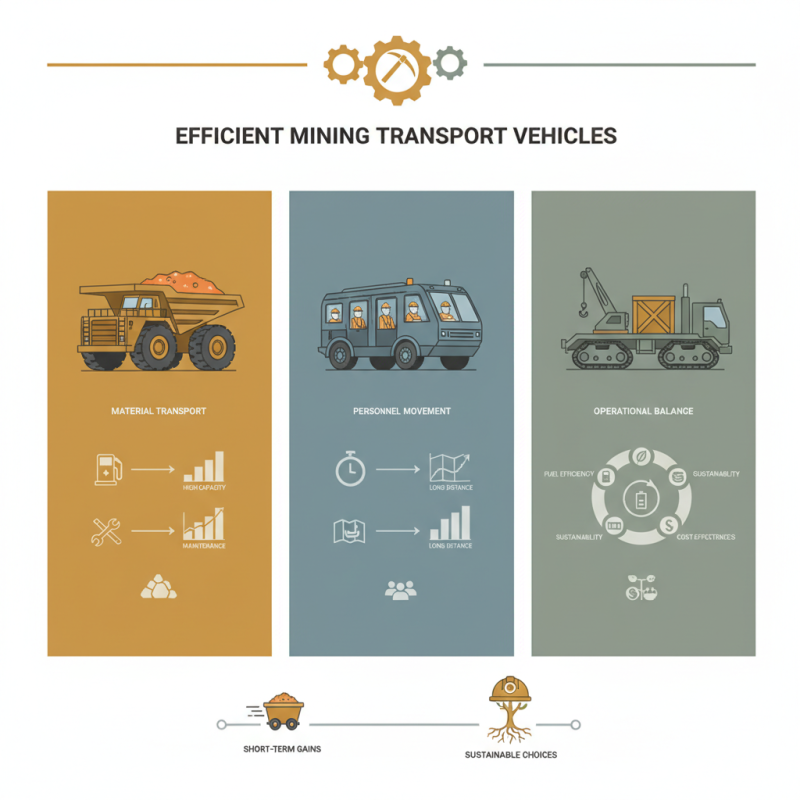
Different types of vehicles cater to various mining needs. For instance, dump trucks are vital for transporting materials. However, they may struggle in rough terrains. Similarly, personnel carriers help transport workers but can be uncomfortable on longer journeys. This makes the choice of vehicles critical in any mining operation.
When evaluating these vehicles, it is essential to consider factors like load capacity, fuel efficiency, and maintenance requirements. Investing in reliable mining transport vehicles enhances operational efficiency. Yet, operators must often reflect on the decision-making process. Are we prioritizing short-term gains over sustainable choices? Balancing these considerations can lead to more effective mining operations.
Types of Mining Transport Vehicles Used in Modern Operations
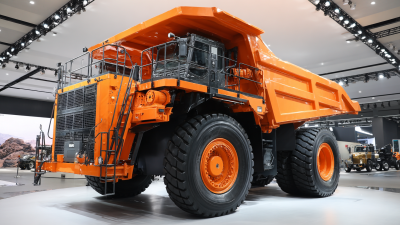
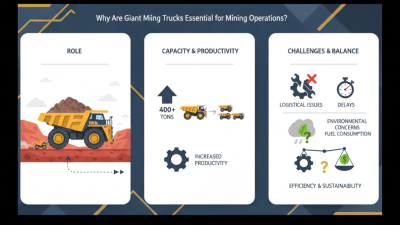
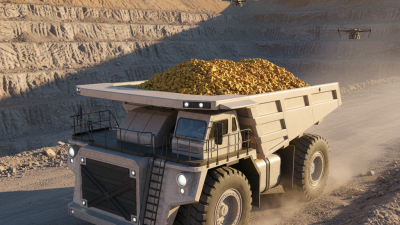
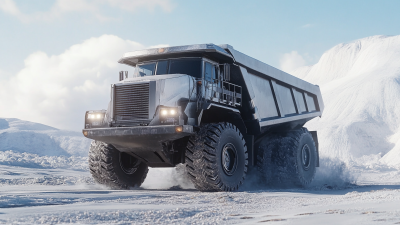
In modern mining operations, transport vehicles play a crucial role in efficiency. Different types cater to various needs. For instance, haul trucks are often the backbone of mining transport. These vehicles can carry loads exceeding 400 tons. They provide high levels of productivity on rough terrains.
Another important category is the underground mine vehicle. These vehicles are smaller, allowing them to navigate confined spaces. They typically feature robust tires and advanced safety systems. According to a recent industry report, about 30% of mining accidents occur during the transportation of materials. This highlights the need for reliable and safe transport options in mines.
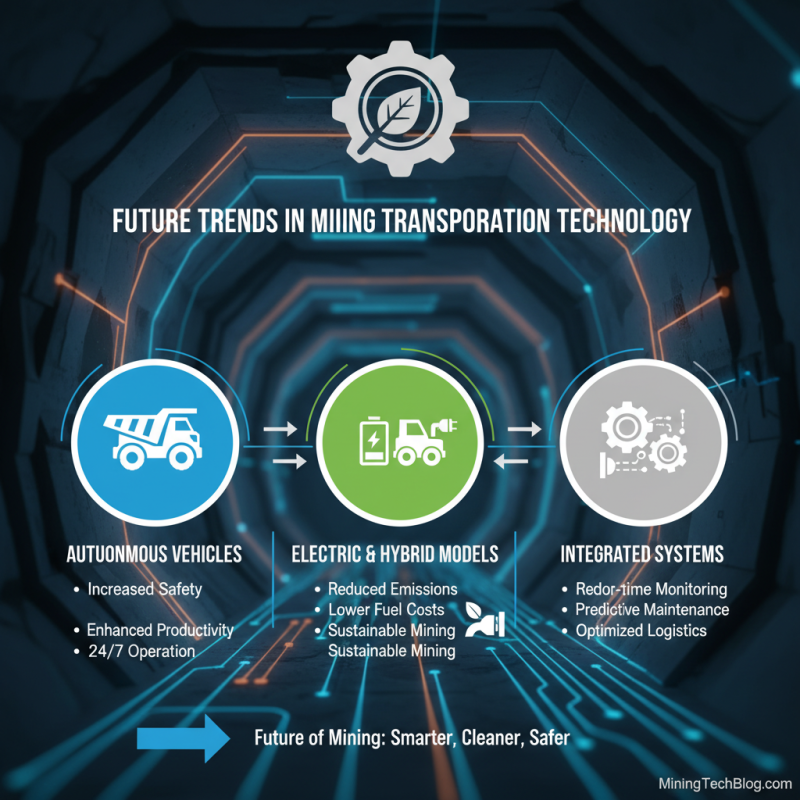
Self-driving transport vehicles are becoming increasingly popular. These autonomous options enhance safety and efficiency. They minimize human error, which is critical in high-risk environments. However, integrating these technologies can be challenging. Companies must reflect on the costs and benefits. New technologies require training and investment. It's essential for operators to assess their current fleet while considering upgrades. This balance is key to improving operational effectiveness in the long run.
Best Mining Transport Vehicles for Efficient Operations
This chart displays the number of various mining transport vehicles used in modern mining operations. The effectiveness of these vehicles—such as dump trucks, loaders, bulldozers, excavators, and conveyors—plays a crucial role in enhancing operational efficiency.
Key Features of Efficient Mining Transport Vehicles
Efficient mining transport vehicles play a crucial role in optimizing operations. According to a report by the International Council on Mining and Metals (ICMM), about 30% of mining costs are linked to transportation. Therefore, selecting the right vehicles is essential for operational efficiency.
Key features of these vehicles include robust design and high payload capacity. Vehicles with a payload of over 100 tons can significantly reduce the number of trips needed for material transport. Additionally, advanced telemetry systems provide real-time data on vehicle performance and load distribution. This ensures timely maintenance and reduces downtime. Modern vehicles should also focus on fuel efficiency. The U.S. Department of Energy estimates that improving fuel efficiency by just 10% can cut operational costs by significant margins.
However, it’s important to note that not all vehicles are suitable for every terrain. A vehicle that excels in a soft, muddy environment may struggle on rocky paths. The variability in mining conditions can lead to inefficiencies if vehicles are not matched appropriately. Ongoing assessment of vehicle performance in different environments is necessary for long-term success. Investing in training for operators can further enhance the utilization of these vehicles, tailoring their use to specific mining scenarios.
Best Mining Transport Vehicles for Efficient Operations
| Vehicle Type |
Payload Capacity (tons) |
Engine Power (hp) |
Fuel Efficiency (mpg) |
Tire Size (inches) |
Key Features |
| Articulated Dump Truck |
40 |
500 |
8 |
25 |
All-terrain capabilities, high maneuverability |
| Mining Loader |
10 |
300 |
6 |
20 |
Versatile attachments, compact design |
| Underground Hauler |
25 |
400 |
5 |
24 |
Low profile, excellent for confined spaces |
| Bulk Transport Vehicle |
50 |
600 |
10 |
30 |
Heavy-duty design, high load capacity |
| Crawler Carrier |
15 |
350 |
7 |
22 |
Stable on rough ground, good traction |
Comparative Analysis of Surface vs. Underground Transport Solutions
In mining operations, surface and underground transport solutions each have distinct advantages.
Surface transport vehicles, such as trucks and conveyor systems, offer greater accessibility and speed. They can move large amounts of material efficiently.
However, they may face limitations on steep terrains or unfavorable weather conditions.
Underground solutions, like shuttle cars and conveyors, excel in confined spaces. They maintain a constant material flow, crucial for
continuous operations. Yet, working underground poses challenges, including ventilation and limited maneuverability. Efficiency can diminish due to these constraints, making careful planning essential.
Tips: Choosing the right transport depends on specific operational needs.
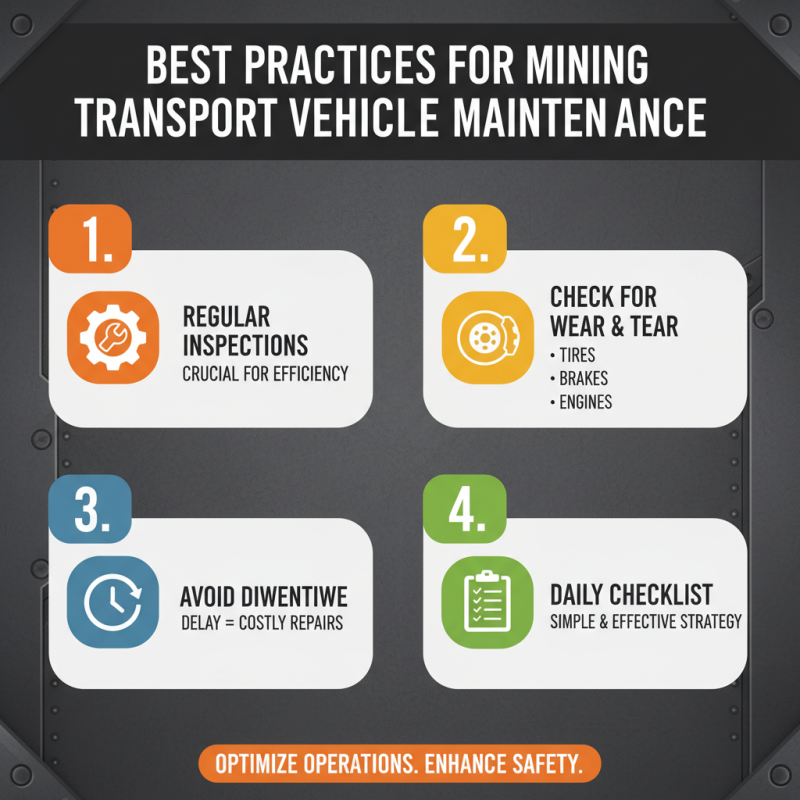
Consider factors like site layout, material type, and distance. Regular maintenance of vehicles ensures reliability.
Train operators thoroughly to handle different terrain types efficiently.
The decision between surface and underground transport should align with the overall mining strategy.
Employing the wrong method can lead to delays and increased costs.
Analyze both options to maximize efficiency and safety in operations.