Best Mining Transport Vehicles for Efficient Operations?
In the mining industry, efficient logistics are crucial. Mining Transport Vehicles play a key role in this process. According to John Davis, an expert in mining logistics, “The right vehicles can make or break a project.” His insights highlight the impact of these vehicles on operational efficiency.
Mining operations require robust transport solutions. Vehicles must withstand harsh terrains and heavy loads. Each choice can significantly affect productivity and safety. Modern designs focus on fuel efficiency and reduced emissions. However, not all mining transport vehicles deliver the same results. This diversity can lead to confusion.
Adopting the right Mining Transport Vehicles isn't always straightforward. Some might favor traditional options over newer, innovative designs. This hesitation can hinder progress. Moreover, maintenance becomes a critical factor in performance. Poor upkeep can lead to unexpected downtimes. The search for the best transport solutions continues to challenge the industry.
Types of Mining Transport Vehicles: An Overview
Mining transport vehicles play a vital role in the efficiency of operations. These vehicles are designed to navigate challenging terrains while moving heavy loads. Understanding the different types of vehicles available is essential for optimizing mining processes.
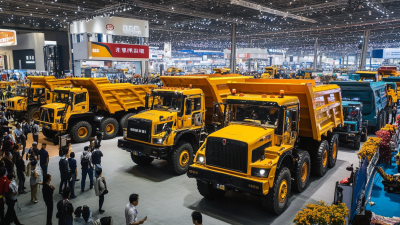
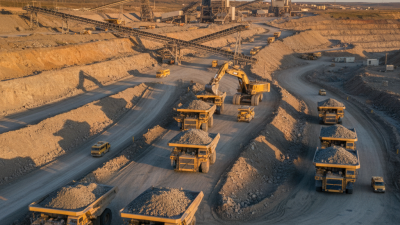
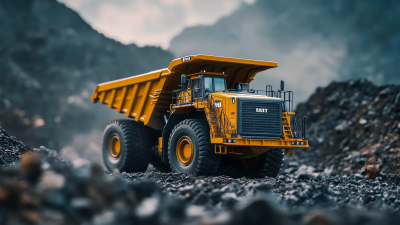
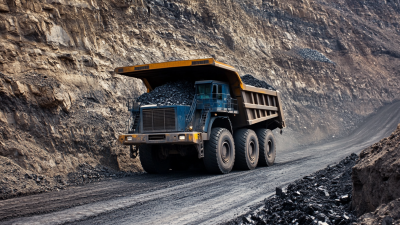
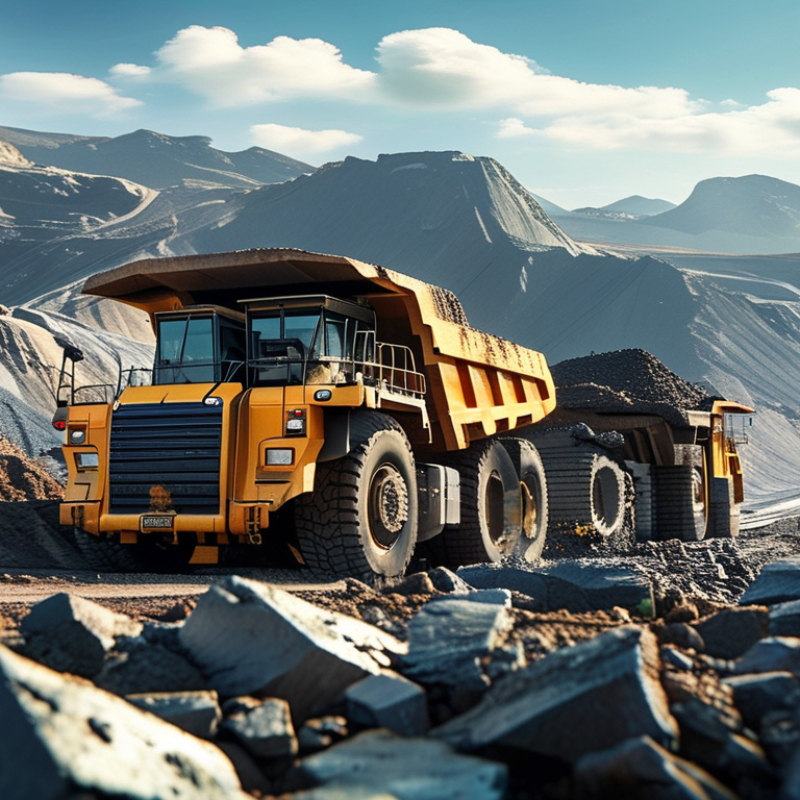
There are various types of mining transport vehicles tailored for specific tasks. Dump trucks are commonly used for their capacity to carry large amounts of material. They can navigate rough surfaces and transport ore or waste efficiently. Another important type is the scooptrams, which are perfect for underground operations. These vehicles are agile and can operate in confined spaces, making them ideal for transporting materials within tunnels.
However, challenges exist. Maintenance of these vehicles can be costly and time-consuming. Operators must also consider the environmental impact. For instance, fuel consumption can be high, leading to increased operational costs. Ensuring that these vehicles are suited for the task at hand requires careful planning and assessment. Mining operations must continuously evaluate their transport needs to enhance productivity.
Best Mining Transport Vehicles for Efficient Operations
| Vehicle Type |
Load Capacity (tons) |
Fuel Type |
Typical Applications |
Terrain Suitability |
| Dump Trucks |
30-400 |
Diesel |
Material transport, site clearing |
Rugged terrains |
| Haul Trucks |
200-400 |
Diesel |
Long-distance hauling of ore |
Steep slopes, rough terrain |
| Conveyor Systems |
N/A |
Electric |
Continuous material transport |
Flat surfaces, indoor and outdoor |
| Loaders |
3-50 |
Diesel or Electric |
Material loading, site preparation |
Diverse terrains |
| Water Trucks |
10-20 |
Diesel |
Dust control, fire prevention |
Rugged terrains |
Key Features of Efficient Mining Transport Solutions
Mining transport vehicles play a crucial role in efficient operations. When choosing these vehicles, several key features stand out. First, durability is essential. Mining environments are harsh. Vehicles must withstand rough terrain and heavy loads. A vehicle that fails under pressure can cause delays and increase costs.
Another important feature is payload capacity. High-capacity vehicles can carry more materials in a single trip. This efficiency reduces the number of trips needed, saving time. Fuel efficiency also matters. A vehicle that consumes less fuel lowers operational costs. However, some vehicles sacrifice power for savings; finding a balance is vital.
Safety features should never be overlooked. Mining sites are dangerous, and vehicles must include advanced safety systems. These systems help protect operators and cargo. Designated routes and communication systems enhance safety. Reliable maintenance services are necessary as well. Regular maintenance ensures that vehicles perform optimally. Reflecting on these features can lead to better choices, ultimately enhancing overall mining operations.
Factors to Consider When Choosing Mining Transport Vehicles
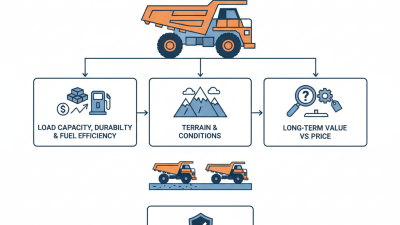
When selecting mining transport vehicles, consider several key factors. The terrain plays a crucial role. Different vehicles handle rugged, uneven surfaces differently, impacting efficiency. The load capacity is another critical aspect. Ensuring the vehicle can carry the required materials without overloading is vital for safety and productivity.
Fuel efficiency also matters. Transportation costs directly affect overall operations. Opt for vehicles that consume less fuel while providing the necessary power. Maintenance requirements should be evaluated too. Frequent repairs can disrupt operations and lead to costly downtimes. Easy-access designs can simplify routine maintenance.
Lastly, driver comfort shouldn’t be overlooked. A comfortable vehicle enhances productivity and safety. Vehicles designed with ergonomic features can significantly reduce fatigue during long hauls. Nevertheless, each operation has unique needs, making it essential to reflect on what works best for your specific context.
Benefits of Specialized vs. General-Purpose Mining Vehicles
In mining operations, the choice between
specialized and
general-purpose vehicles can significantly impact efficiency.
Specialized vehicles are designed for specific tasks, like transporting ore or coal. They often come with tailored features that enhance performance in unique environments.
This can lead to increased productivity and reduced wear and tear on the equipment.
For example, a specialized vehicle might have enhanced traction systems for steep terrains, improving safety and speed.
On the other hand, general-purpose vehicles offer flexibility. They can adapt to various tasks, making them versatile in dynamic mining scenarios.
However, this adaptability may come at a cost. Their performance in specialized tasks can be less efficient.
Users must weigh the benefits of versatility against the potential for inefficiency.
While general-purpose vehicles may save costs upfront, operational delays could add expenses later.
Ultimately, the decision depends on the specific needs of the mining site.
Assessing the types of materials, terrain, and required tasks is essential.
Specialized vehicles might excel in specific conditions, while general-purpose options could be more practical when tasks vary frequently.
Each choice presents unique challenges that require careful consideration to optimize operations.
Future Trends in Mining Transport Vehicle Technologies
The mining industry is on the brink of a significant transformation. Emerging technologies are reshaping how transport vehicles operate in mines. Electric and autonomous vehicles are getting more attention. These innovations aim to reduce emissions and enhance efficiency. The ongoing shift towards sustainability is increasingly influencing transport design and functionality.
Autonomous transport vehicles promise improved safety and productivity. They can operate around the clock without fatigue. However, the implementation of such technologies requires careful planning and substantial investment. Training personnel to work alongside autonomous systems is also a challenge. While the benefits are clear, these changes may encounter resistance from traditional operators.
Electric vehicles, while quieter and cleaner, face limitations in battery life and charging infrastructure. Companies need to address these hurdles to maximize their potential. Energy efficiency is paramount, yet the path to full integration is complex. Engaging stakeholders throughout the process is crucial. The future of mining transport vehicles will likely hinge on selective adaptation and continuous innovation.