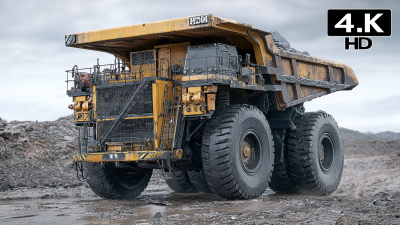
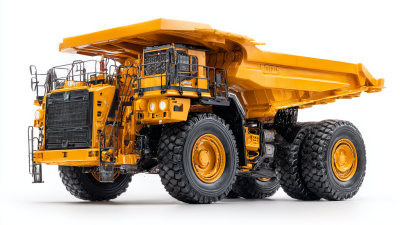
Best Mining Rock Truck Models for Maximum Efficiency?
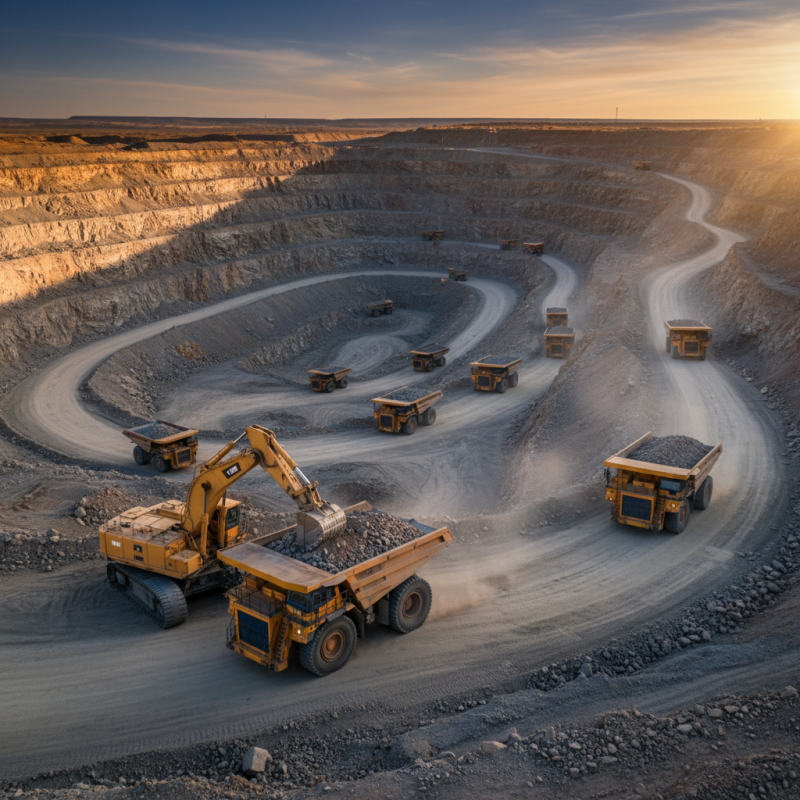
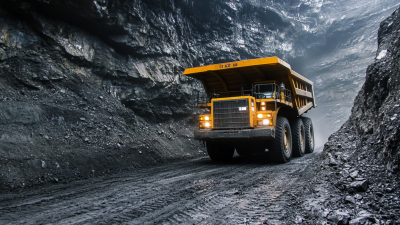
In the world of heavy-duty mining, efficiency is key. The Mining Rock Truck plays a pivotal role in transporting materials from mine sites. Choosing the best models can significantly impact productivity and operational costs.
Various Mining Rock Truck models come equipped with unique features. Some offer superior load capacity, while others excel in fuel efficiency. It's essential to weigh these factors when selecting a truck. Mistakes in choosing the right model can lead to increased downtime and expenses.
The mining industry often underestimates the importance of the right equipment. A well-chosen Mining Rock Truck can enhance site performance immensely. However, not all models suit every operation. Understanding the terrain and material type is crucial. These decisions demand careful consideration to avoid costly errors in the long run.
Overview of Mining Rock Trucks and Their Importance
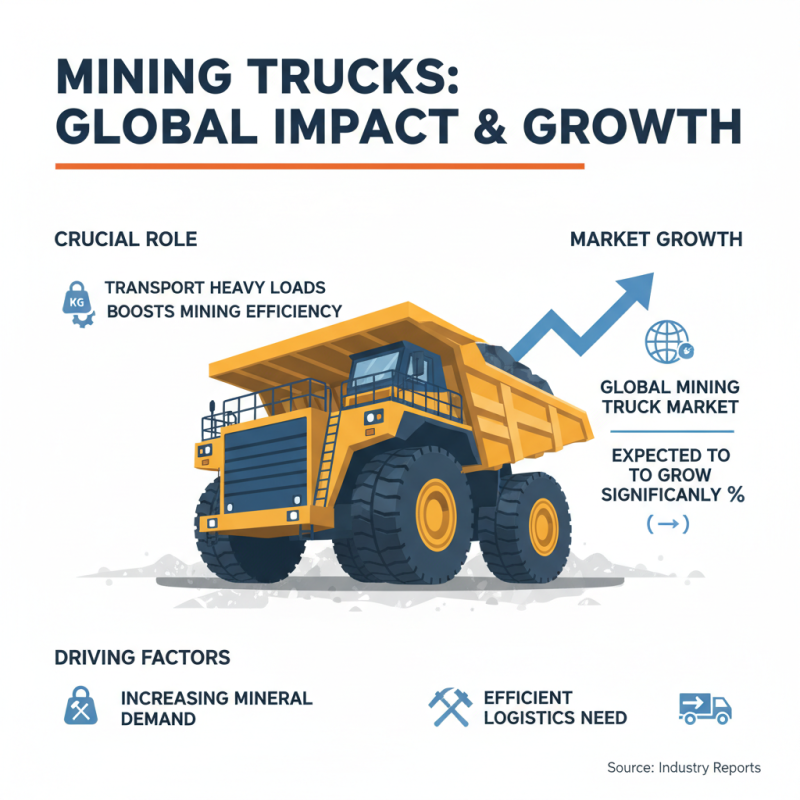
Mining rock trucks play a crucial role in the transportation of materials in various mining operations. These trucks are specifically designed to handle heavy loads, making them essential in achieving maximum efficiency. According to industry reports, the global mining truck market is expected to grow significantly. This growth is driven by the rising demand for minerals and the need for efficient logistics in the mining sector.
The efficiency of mining operations heavily relies on the choice of rock truck models. A well-selected truck can increase productivity and decrease operational costs. Reports indicate that trucks with higher payload capacities are often more economical in the long run. However, selecting the wrong model due to oversight can lead to reduced performance and increased maintenance costs.
Tips: Choose trucks with advanced technology. This can help reduce fuel consumption. Look for models that offer better maneuverability. It’s vital to align the truck specifications with the site requirements for optimal performance. Regularly assess your fleet: outdated models can hinder efficiency. Not every truck will meet your specific needs, so keep analyzing your operations.
Key Features to Consider for Maximum Efficiency
When considering mining rock truck models for maximum efficiency, key features come into play. Load capacity is crucial. A truck with a larger capacity can carry more material in a single trip. This leads to fewer trips and lower fuel costs. Reports show that trucks with a capacity of over 50 tons can improve productivity by 20% compared to smaller models.
Engine power is another critical aspect. A powerful engine ensures that the truck can operate under harsh conditions with ease. However, a balance is necessary. Oversized engines can lead to excessive fuel consumption. The industry standard suggests that an optimal engine should provide at least 300 horsepower for effective performance.
Tire type and durability also deserve attention. The right tire can enhance traction and reduce wear and tear. On rough terrain, a durable tire can save costs and downtime. Yet, finding the perfect tire can be tricky. Not all tires suit every environment. Factors like soil type and weather conditions play a significant role in tire selection. Investing time in researching these details can lead to better performance over time.
Best Mining Rock Truck Models for Maximum Efficiency
Top Mining Rock Truck Models on the Market
The mining industry relies heavily on efficient rock truck models. These trucks transport materials quickly and effectively, enhancing productivity. Key factors to consider include payload capacity, durability, and fuel efficiency.
When evaluating top models, pay attention to specifications. Some trucks can carry over 100 tons. This allows for fewer trips, saving both time and fuel. However, the terrain plays a crucial role. Trucks must be agile on rough paths. Not all designs perform equally well under challenging conditions.
Many models also feature advanced technology. These include GPS systems to optimize routes. While modern trucks offer great advantages, they can come with a steep learning curve. Operators need training to maximize efficiency. A balance between cutting-edge tech and user-friendly design is vital. Choices should reflect both immediate needs and future demands.
Comparative Analysis of Performance and Fuel Efficiency
When evaluating mining rock trucks, performance and fuel efficiency are crucial. A recent industry report indicates that the best models achieve an average operational efficiency of up to 90%. This translates to lower operational costs per ton of material, a critical factor in mining operations.
Fuel efficiency varies across models, with top-performing trucks consuming 8 to 12 gallons of fuel per hour under heavy loads. Some trucks, however, struggle to maintain efficiency in variable terrain. This inconsistency can lead to increased fuel costs and reduced productivity, prompting operators to reconsider their choices. Regular maintenance and mindful driving practices are essential for optimizing fuel consumption.
The payload capacity also influences efficiency. Trucks that carry larger loads often waste energy on steep grades. The trade-off between speed and load weight requires careful planning to maximize output without compromising fuel usage. Some operators may overlook this dimension, leading to decreased overall efficiency. Balancing these factors demands constant assessment and adaptation in a challenging environment.
Best Mining Rock Truck Models for Maximum Efficiency
| Model |
Payload Capacity (tons) |
Engine Power (HP) |
Fuel Efficiency (gal/ton) |
Operating Weight (tons) |
| Model A |
45 |
500 |
0.7 |
50 |
| Model B |
50 |
600 |
0.6 |
55 |
| Model C |
60 |
650 |
0.5 |
60 |
| Model D |
55 |
700 |
0.65 |
57 |
| Model E |
65 |
725 |
0.4 |
62 |