What Are the Best Massive Mining Trucks for Global Buyers?
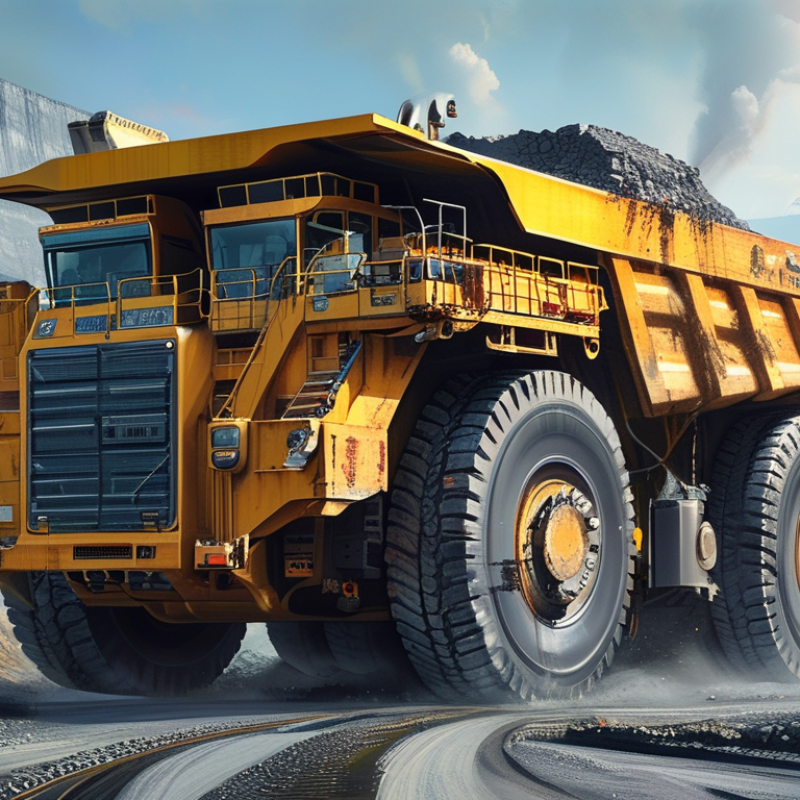
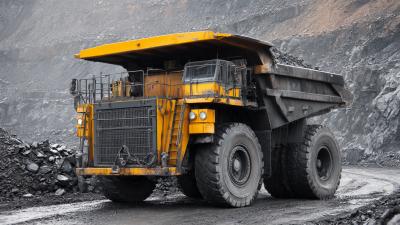
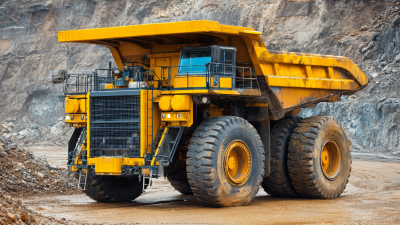
In the world of heavy machinery, Massive Mining Trucks dominate the landscape. These giants are essential for transporting materials in mines. Their immense size and power make them crucial for efficiency and productivity. Global buyers seek the best options available due to the demands of the mining industry.
Many manufacturers offer a range of Massive Mining Trucks. Each model comes with its strengths and weaknesses. Buyers often struggle to determine which truck aligns with their operational needs. Decisions may require balancing performance and cost-effectiveness. Reliability is paramount, as downtime can lead to significant losses.
As the industry evolves, so do the technologies behind these trucks. Automation and advanced engineering drive innovation. Yet, these advancements come with challenges. Not all operations can readily adapt. Understanding these dynamics is vital for making informed choices.
Overview of Massive Mining Trucks in the Global Market
The global market for massive mining trucks showcases a range of powerful vehicles designed for heavy-duty operations. These trucks play a crucial role in transporting materials from mines to processing sites. The latest models offer advanced technology, ensuring high efficiency and productivity. Varying capacities cater to different mining needs, from smaller operations to large-scale enterprises.
When choosing a mining truck, buyers should consider several factors. The payload capacity is vital. Trucks should match the demands of the site. Additionally, fuel efficiency can significantly impact operating costs. Maintenance requirements differ across models. Buyers must evaluate the long-term investment involved.
Tips for potential buyers: Evaluate the terrain where the trucks will operate. It influences the choice of model type. Investigate the availability of spare parts and service support. Reliable service reduces downtime. Lastly, user feedback can provide insights into real-world performance and challenges, aiding informed decisions.
Key Features to Consider When Choosing Mining Trucks
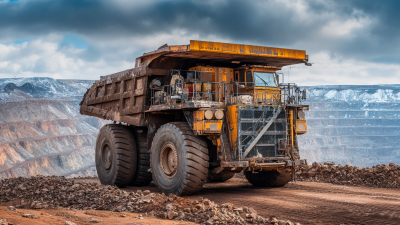
When selecting the best massive mining trucks, several key features deserve attention. Payload capacity stands out as one of the most crucial factors. Buyers should assess how much material each truck can carry. This typically ranges from 60 to over 400 tons. It directly impacts operational efficiency. A truck that cannot handle the necessary weight limits may fall short.
Another essential aspect is fuel efficiency. Mining operations demand a lot of fuel. Trucks with higher fuel efficiency reduce operational costs significantly. Moreover, advanced technologies can enhance performance. Look for trucks that incorporate digital monitoring systems. These features provide real-time data on fuel use and engine health. They also allow for better maintenance scheduling.
Safety features must not be overlooked. Mining environments can be hazardous. Trucks should come equipped with robust systems to protect operators. Features like anti-lock brakes and advanced visibility options can prevent accidents. Additionally, comfort elements play a role in driver performance. A comfortable cab can boost productivity. Ultimately, each feature should align with project needs, yet careful consideration can reveal unexpected challenges in the selection process.
Top Brands Manufacturing Heavy-Duty Mining Trucks
When it comes to heavy-duty mining trucks, several top brands stand out. They manufacture vehicles built for the extreme demands of mining operations. These trucks are designed to handle rough terrains and heavy loads efficiently. Buyers often prioritize reliability and performance when selecting their preferred models.
One of the key aspects of these trucks is their carrying capacity. Many can transport up to 400 tons of material. The design includes robust frames and advanced suspension systems. These features enhance stability and reduce wear. Yet, not all models perform equally well under every condition. Variations in terrain and load can impact their efficiency.
Durability is another crucial factor. Heavy-duty mining trucks often face harsh operating environments. This means materials and components must withstand significant wear and tear. Buyers frequently look for trucks equipped with high-quality safety features. Maintaining them properly can also prolong their lifespan and efficiency. Opting for the right model often requires careful consideration of specific mining needs and conditions. Each mining site poses unique challenges, and the trucks must adapt accordingly.
Comparative Analysis of Popular Mining Truck Models
When selecting the best massive mining trucks, several factors come into play. Performance, capacity, and durability are crucial. Different models have varying load capacities, typically ranging from 100 tons to over 400 tons. Heavy-duty trucks are vital for efficiently transporting materials across rugged terrains.
Another important consideration is fuel efficiency. Some trucks may boast lower fuel consumption, which can lead to significant cost savings over time. However, reliability often supersedes this; a truck that breaks down leads to lost time and increased operational costs.
Maintenance is another critical aspect. Some models require more frequent servicing than others, which can impact overall productivity. Not all trucks are created equal, and buyers must weigh the pros and cons of each model. Reviews and industry insights can provide valuable perspectives. However, those reports are sometimes influenced by manufacturers. Thus, personal experience and field tests should also validate choices. It's a complex decision, balancing performance with long-term reliability and maintenance requirements.
Comparative Analysis of Popular Mining Truck Models
Future Trends in Mining Truck Technology and Sustainability
The mining industry is evolving rapidly. As environmental concerns grow, mining trucks are being redesigned for better efficiency. These trucks now focus on reducing emissions and increasing energy efficiency. Advanced materials are being used to lower weight without sacrificing strength. Consequently, they consume less fuel, which is vital for sustainability.
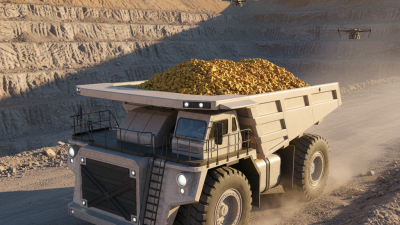
Moreover, automation is becoming a significant trend. Many companies are testing autonomous trucks that reduce the need for human operators. This technology not only enhances safety but also improves operational efficiency. However, there are challenges. Implementing these systems may require a significant investment and training for existing staff. Many mining sites have unique conditions that can complicate automation.
Battery technology is also advancing. Electric and hybrid models are starting to emerge in the market. These trucks promise to minimize the carbon footprint, yet they face limitations in battery life and charging infrastructure. The ongoing research in this area suggests a commitment to overcoming these hurdles. As the industry continues to push for sustainable solutions, it's crucial to remain realistic about the trade-offs involved. Each innovation comes with its own set of challenges that need careful evaluation.