2026 Best Heavy Duty Slurry Pump Options What to Consider?
When selecting a heavy duty slurry pump, numerous factors come into play. The global slurry pump market is projected to reach USD 4.5 billion by 2026, driven by growing industrial applications. Heavy duty slurry pumps serve critical roles in mining, construction, and wastewater management. Their capability to handle abrasive and corrosive materials sets them apart from standard pumps.
However, not all heavy duty slurry pumps are created equal. Performance indicators, such as flow rate and head pressure, vary significantly among models. Certain pumps might excel in specific conditions, while others fail to deliver expected outcomes. Industry reports reveal that about 30% of slurry pump failures result from inadequate selection and application. Reliability and efficiency are paramount, yet selecting the right pump often requires deep understanding and careful evaluation.
Users often face challenges in identifying the most suitable options without comprehensive knowledge. Failure to address operational needs can lead to increased downtime and maintenance costs. Prioritizing the right features, including materials and design, is essential for long-term success. The impact of a poor choice can resonate throughout entire operations, reinforcing the importance of informed decision-making in the heavy duty slurry pump sector.
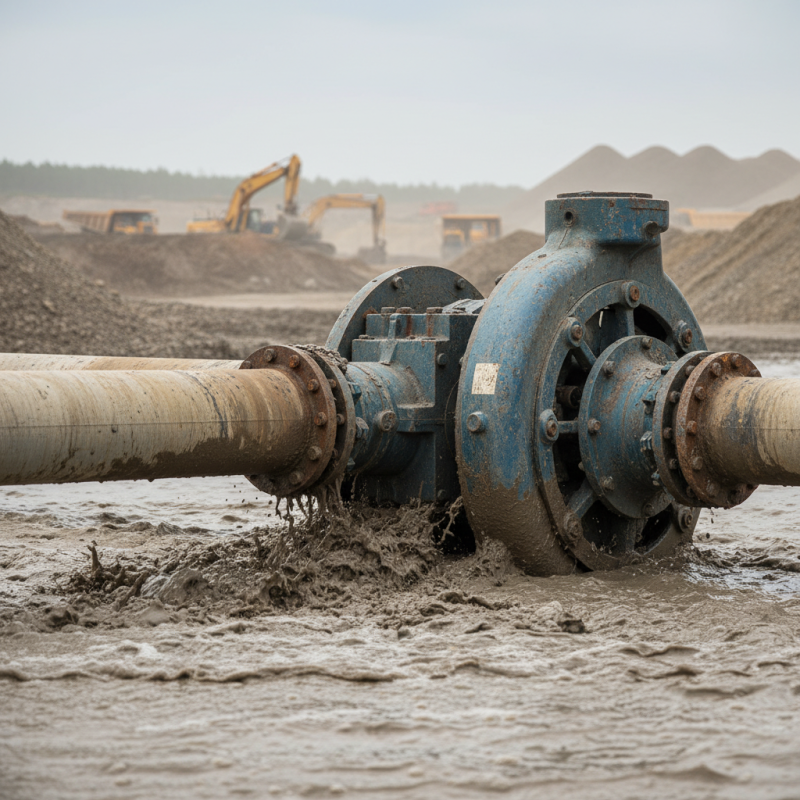
Best Practices for Selecting a Heavy Duty Slurry Pump in 2026
When selecting a heavy-duty slurry pump in 2026, you need to consider a few key factors. The pump's capacity is vital. Assess the volume of slurry you expect to handle. Look closely at the solid particle size too. A pump that handles larger particles might have a more significant wear rate.
Tips: Always check the pump's materials. Different types are suitable for various slurries. Rubber-lined options can offer more flexibility, while metal might withstand harsher conditions. Don’t overlook compatibility with your existing systems either.
The efficiency of the pump can impact your operational costs. A more energy-efficient pump reduces overall expenses. However, don't forget maintenance. Regular upkeep prevents sudden failures. It's common for operators to underestimate ongoing maintenance costs. This step can save you time and money in the long run.
Ultimately, choose a pump based on your specific needs, not just on flashy specifications. Analyze your operational conditions and consult with experts. Avoid falling for trends in pump technology that may not suit your application. Take your time; the right choice can make your process smoother.
2026 Best Heavy Duty Slurry Pump Options What to Consider? - Best Practices for Selecting a Heavy Duty Slurry Pump in 2026
| Pump Type | Max Flow Rate (m³/h) | Max Head (m) | Material | Weight (kg) | Power (kW) |
| Centrifugal Slurry Pump | 500 | 30 | Cast Iron | 250 | 75 |
| Submersible Slurry Pump | 300 | 20 | Stainless Steel | 150 | 37 |
| Diaphragm Slurry Pump | 200 | 15 | Polyurethane | 100 | 25 |
| Vertical Slurry Pump | 400 | 25 | Chrome Alloy | 200 | 50 |
| Horizontal Slurry Pump | 600 | 35 | Rubber Lined | 300 | 100 |
Key Performance Metrics for Heavy Duty Slurry Pumps: Flow Rate and Head
When selecting a heavy-duty slurry pump, flow rate and head are critical metrics. The flow rate measures how much slurry the pump can move within a set time. It’s typically expressed in gallons per minute (GPM) or liters per second (L/s). A higher flow rate can help in efficiently transporting slurry, but it doesn't always mean better performance.
Head, on the other hand, indicates the pump’s ability to lift the slurry to a certain height. It is measured in feet or meters. This metric is vital for applications where the pump must overcome gravity or other potential obstacles. A pump might have an impressive flow rate, yet if it lacks necessary head, it won't perform well in practical situations.
Understanding these metrics is essential, yet many overlook the nuances. A pump with a high flow rate but insufficient head can cause blockages. Moreover, matching the pump's capabilities with the specific application can be complex. Each site has unique demands, and sometimes, the best options require compromise and careful planning. Balancing these factors can lead to more efficient operations, but it takes reflection and testing to get it right.
2026 Best Heavy Duty Slurry Pump Performance Metrics
Material Considerations: Impact Resistance and Corrosion for Slurry Pumps
When choosing a slurry pump, material considerations are crucial. Slurry pumps handle abrasive materials, which can cause wear and tear. Therefore, understanding impact resistance is vital. A suitable material can reduce maintenance and prolong the pump’s life.
Corrosion resistance is another factor. Slurries often contain chemicals that can corrode metals. Selecting the right material protects the pump from degradation. For example, certain alloys and coatings can withstand harsh environments. They may be more expensive, but the investment pays off in durability.
However, the perfect material does not exist. Each option has its pros and cons. Some materials may perform well in one condition but fail in another. It's essential to evaluate the specific application. An often-overlooked detail is that regular maintenance, regardless of material, remains necessary.
Energy Efficiency Ratings: Understanding Pump Efficiency and Cost Savings
When choosing a slurry pump, energy efficiency is critical. It directly impacts operational costs. A more efficient pump uses less energy, which can lead to significant savings. Understanding the energy efficiency ratings of pumps is essential for making an informed decision.
Many pumps feature varied efficiency ratings. A higher rating indicates better performance. However, some pumps may not consistently achieve these ratings under all conditions. Users often overlook this aspect, leading to unexpected expenses.
Tips: Always assess the real-world performance of the pump. Compare the energy consumption over time. Look for pumps designed specifically for your application.
Evaluate the total cost of ownership, not just the initial purchase. A lower upfront cost may lead to higher energy bills. It’s crucial to balance the initial investment against potential long-term savings. Understanding how different designs impact energy use will guide you in selecting the right pump for your needs.
Maintenance Insights: Reducing Downtime with Advanced Slurry Pump Technologies
Maintaining slurry pumps is crucial for reducing downtime in heavy-duty operations. Advanced technologies are reshaping how we approach maintenance. According to a recent industry report, predictive maintenance can cut downtime by as much as 30%. This means regular checks and monitoring are vital.
The use of smart sensors is gaining traction. They collect real-time data on pump performance. In fact, data analytics can identify potential failures before they occur. Studies suggest that companies adopting these technologies save up to 20% in operational costs. However, many still overlook routine inspections. Neglecting minor issues can lead to significant failures and costly repairs.
Choosing the right materials is also essential in prolonging pump life. Corrosion-resistant materials can drastically increase durability. Yet, some companies stick with traditional options, risking frequent replacements. A staggering 40% of reported failures are due to corrosion-related issues. Awareness and education on these aspects can help teams make informed choices, boosting efficiency and longevity.