2026 Top Trends in Hauling In Mining What to Expect?
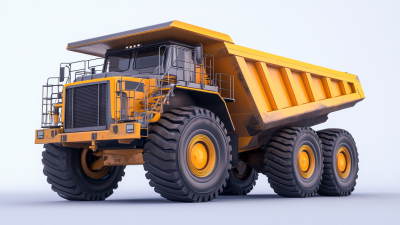
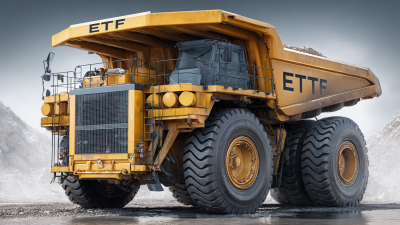
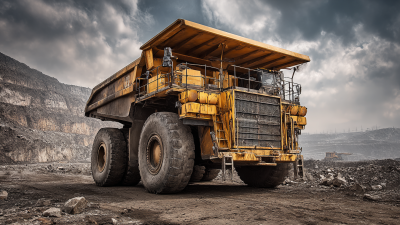
The landscape of hauling in mining is evolving rapidly. According to a report from Market Research Future, the global mining market is expected to grow at a CAGR of 12% from 2020 to 2026. This growth reflects the increasing demand for minerals and the subsequent rise in hauling activities. Efficient hauling in mining operations is essential, as it affects both productivity and cost management.
In 2026, we anticipate significant trends driven by technology and environmental concerns. Automation and innovative transportation methods are set to redefine how materials are moved. For instance, real-time data analytics can optimize routes, reduce delays, and enhance safety. However, the integration of these technologies poses challenges. Operators must adapt to new systems and address potential skill gaps among workers.
As the industry embraces sustainability, the focus on eco-friendly hauling methods is crucial. Companies are exploring electric and hybrid trucks, which can lower carbon footprints. Nonetheless, transitioning to these solutions requires substantial investment and planning. The complexities indicate a need for continual assessment and refinement in strategies surrounding hauling in mining. Ultimately, the future of this sector hinges on balancing efficiency, innovation, and sustainability.
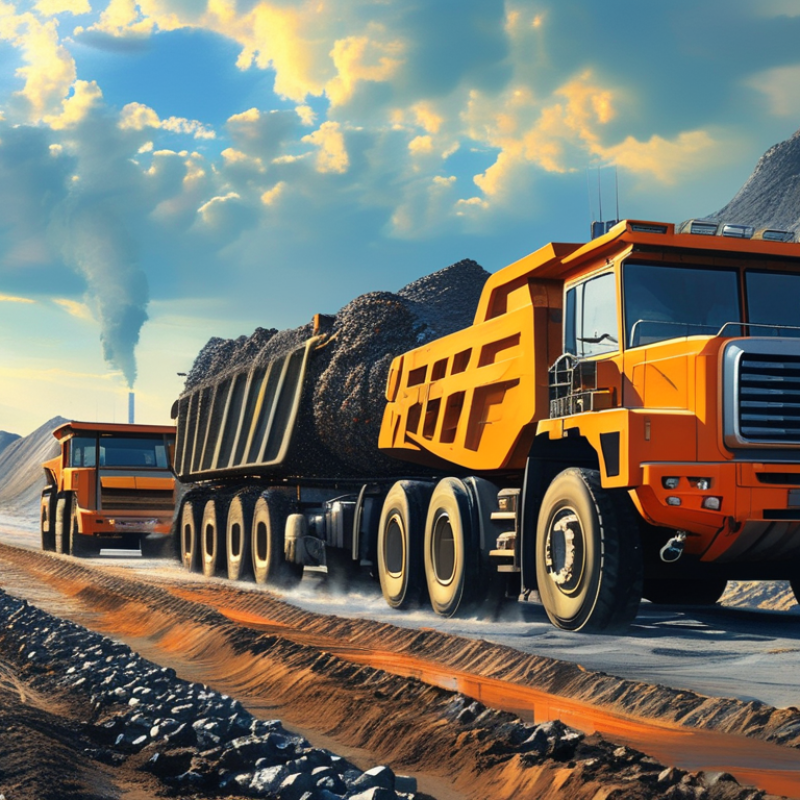
Emerging Technologies Transforming Hauling Operations in Mining
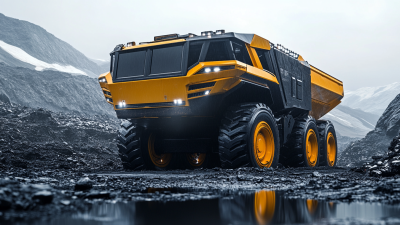
Hauling operations in mining are undergoing significant transformations due to emerging technologies. According to recent data by the International Council on Mining and Metals (ICMM), automating haulage systems can improve efficiency by up to 20%. Autonomous trucks, equipped with advanced sensors, are leading this change. These trucks can operate around the clock, significantly reducing downtime while enhancing safety in challenging environments.
Another critical technology reshaping hauling operations is predictive maintenance. A report from McKinsey indicates that applying AI can lead to a 10-20% reduction in operational costs. Sensors monitor equipment in real-time, predicting failures before they occur. This proactive approach ensures that vehicles remain operational and reduces the risk of accidents. However, the reliance on technology raises concerns about data security and reliability. Companies must navigate these challenges carefully as they adopt new systems.
Lastly, electrification in hauling processes has shown promising potential. A study from the World Economic Forum suggests that transitioning to electric vehicles can cut emissions by 30% in mining. Yet, implementing charging infrastructure in remote locations poses logistical challenges. While innovations are exciting, the mining industry must address these complexities to maximize benefits. Balancing technology with operational realities will be crucial in shaping the future of hauling.
2026 Top Trends in Hauling In Mining
This bar chart illustrates the expected adoption rates of various emerging hauling technologies in the mining industry by 2026. Innovations such as electric trucks and autonomous haulers are expected to lead the way, indicating a significant shift towards more efficient and sustainable mining operations.
Sustainability Practices Affecting Mining Hauling Trends
Sustainability practices are reshaping the mining hauling landscape. Mining companies are increasingly sourcing eco-friendly materials and implementing energy-efficient technologies. These initiatives not only reduce carbon footprints but also enhance operational efficiency. Many mines are investing in electric and hybrid hauling vehicles to minimize emissions. This shift reflects a growing commitment to environmental stewardship.
However, adopting sustainable practices in mining hauling isn't without challenges. Upfront costs can be significant, and the return on investment may take time. The reliance on new technologies might also create hurdles in training the workforce. Companies may struggle to balance profits and sustainable goals. These complexities invite ongoing reflection on how to integrate environmental responsibility effectively.
Adopting circular economy principles is gaining traction within the sector. This approach emphasizes reusing materials and minimizing waste throughout the hauling process. By engaging in deeper collaborations with suppliers, mining companies can foster a more sustainable supply chain. Such strategies will be crucial as the industry evolves to meet both regulatory demands and societal expectations regarding environmental practices.
Automation and Robotics: The Future of Hauling in Mining
The mining industry is on the brink of a revolution. Automation and robotics are set to reshape how hauling is done. Advanced technologies streamline operations, enhance safety, and improve efficiency. Robotic systems can transport materials automatically, eliminating the need for manual labor in hazardous environments. This shift could significantly reduce human error.
However, integrating automation into existing systems is not without challenges. The initial investment can be high. Companies may face resistance from workers concerned about job security. Training is essential to bridge the gap between human operators and automated systems. Additionally, not all mining sites may be ready for such technological advancements, which might lead to uneven implementation across the industry.
Despite these hurdles, the potential benefits are substantial. Automated hauling systems can work continuously, increasing productivity. Sensors and AI technologies can optimize routes, reducing fuel consumption and costs. As these systems evolve, they will likely enhance their capabilities, making hauling safer and more efficient. The future of hauling in mining lies in automation, but we must proceed with careful planning and consideration for all stakeholders involved.
Safety Enhancements in Hauling Equipment and Operations
The mining industry is evolving rapidly, especially in hauling operations.
Safety enhancements in hauling equipment are paramount.
Data from the Mining Industry Safety Report shows that nearly 50% of mining incidents involve hauling operations.
Clearly, improving safety standards is critical for reducing these accidents.
Modern hauling equipment now includes advanced technologies. For instance, autonomous trucks can operate without human intervention,
significantly minimizing the risk of human error. These trucks are equipped with sensors and cameras, greatly improving situational awareness.
Additionally, real-time monitoring systems can track equipment performance, leading to proactive maintenance and fewer accidents.
However, the transition to these new technologies is not without challenges. Many operators are hesitant to adopt unfamiliar systems.
Training workers on advanced equipment can be time-consuming. Furthermore, the initial investment can be significant for companies.
A balance must be struck between innovation and practical applications in the field.
The focus should not only be on the equipment but also on cultivating a safety-first culture among personnel.
Regular safety drills and feedback loops can further reinforce this culture.
Impact of Regulations on Hauling Techniques and Practices in Mining
Regulations significantly impact hauling techniques in mining. As environmental concerns rise, stricter guidelines are enforced. Many operators must adapt to maintain compliance. These regulations often involve reducing emissions and improving safety measures.
A recent report from the Mining Industry Council highlighted that 70% of mining companies intend to upgrade their hauling equipment by 2026. This adaptation aims to meet new standards. Electric trucks are gaining popularity, as they produce fewer emissions. Transitioning to greener technologies helps companies avoid penalties.
Despite this, challenges remain. Operators frequently face the high initial costs of new equipment. Some companies may hesitate to invest, fearing a slow return on investment. This cautious approach can hinder progress in adopting sustainable practices. Balancing regulation compliance with cost efficiency requires careful planning.